Acupuncture
Acupuncture is one of the longest established forms of healthcare in the world
Acupuncture treats a wide range of conditions. Safe, gentle, and effective.
Book your appointmentAcupuncture
Acupuncture is an ancient treatment which originated in China over 500 years ago.
Modern western medical acupuncture is used after medical diagnosis and involves very fine needles being inserted into the skin in order to stimulate sensory nerves and muscles of the body. It is becoming an increasingly common practice in healthcare in the UK and a growing number of studies are proving its effectiveness.
What is acupuncture?
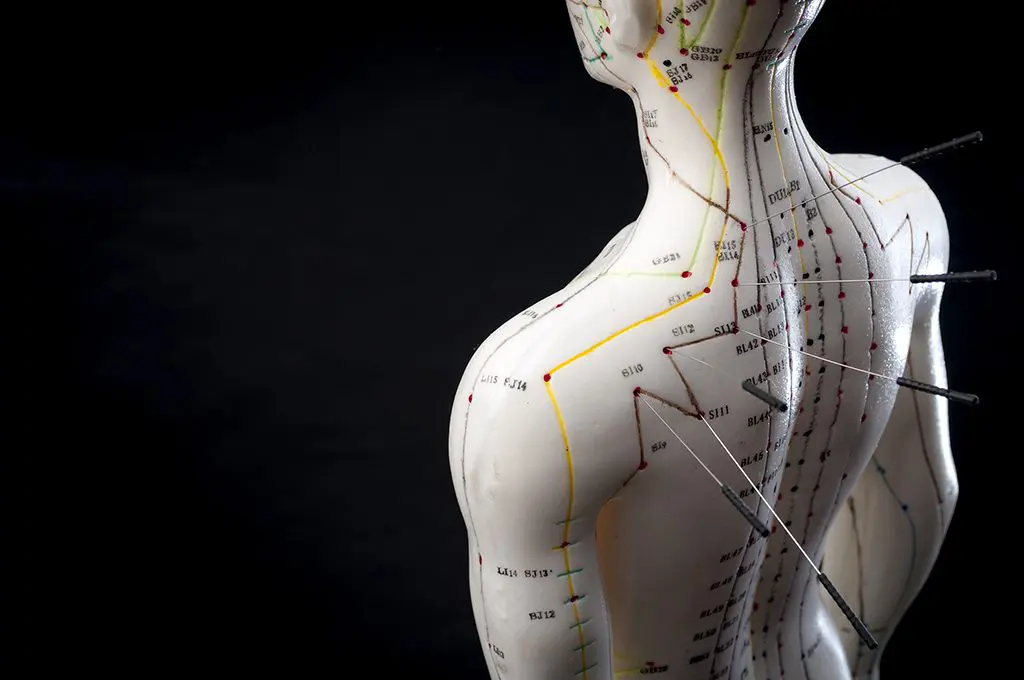
During your acupuncture session; your therapist will insert very fine needles into the skin in specific anatomical points in the body. These points are called acupoints which connect to your body’s Qi, your practitioner will decide the location of these points after an examination covering your health and lifestyle. Acupuncture works by:
- Providing pain relief by way of releasing endorphins and changing the processing of pain in the spinal cord and brain
- Reducing inflammation
- Relieving muscle stiffness and improving joint mobility
- Reducing the need for pain medication
- Direct the flow of Qi to encourage the body’s natural healing response
- Increasing blood supply to the acupoints
Many patients feel the benefit of combining acupuncture with other therapies and rehabilitative exercises. Side effects include occasional small bruising around the needle site, mild dizziness and tiredness after treatment which passes quickly.
Are there any risks?
There are minimal risks attached to using acupuncture. Acupuncture is a safe method of encouraging the body to promote natural healing and improve function.
The side effects are also minor. You can experience your original symptoms worsening for a couple of days after an acupuncture treatment, such as changes in appetite, sleep, urination patterns, or emotional state. Though this is indications that the acupuncture is starting to work.

Acupuncture is used to treat following conditions:
NICE (National Institute of Clinical Excellence) Guidelines recommends traditional acupuncture for:
- lower back pain, headaches and migraines.
There are several other conditions where acupuncture is found to improve health outcomes
Specific guidance from the World Health Organisation states that acupuncture should be referred to for the following:
- Allergies
- Gynaecological conditions
- Insomnia & Headaches
- Anxiety & Stress
- Pre-menstrual syndrome
- Back pain & Sports Injuries
- Heart problems
- Sciatica Carpal tunnel syndrome
- Infertility & Complimenting IVF treatments
- Colds & Flu
- Irritable Bowel & Constipation Tendonitis
(Source World Health Organisation)
Clinical studies indicate that acupuncture is also effective in treating:
- Dysmenorrhoea
- Menopause
- Morning sickness
- Neck and facial pain
- Respiratory disease
- Stroke
- Lower back pain
- Urinary dysfunction
- Substance abuse & addiction
- Osteoarthritis
- Tennis elbow
(Source: Acupuncture Efficacy: A compendium of Controlled Clinical Trials by Stephen Birch & Richard Hammerschlag)