
Disc Injury Treatment by Specialist Chiropractors in Canary Wharf
Experiencing lower back pain, sciatica, or leg numbness due to a slipped, bulging, or herniated disc? At Freedom Clinics, our specialist chiropractors in Canary Wharf deliver targeted, evidence-based care for all types of spinal disc injuries. Whether you’ve been recently diagnosed with a lumbar disc bulge or are struggling with chronic symptoms, we offer personalised, non-invasive solutions to help you heal and regain mobility.
Book your appointment
Our approach integrates:
- Flexion-distraction therapy to reduce disc pressure
- Spinal decompression techniques to alleviate nerve irritation
- Rehabilitation programs to strengthen and stabilise your spine
We provide expert assessment and chiropractic treatment for:
- Herniated discs (also known as “prolapsed” or “ruptured” discs)
- Bulging discs due to wear, injury, or posture imbalance
- Slipped discs causing sciatic pain, tingling, or reduced mobility
Need disc injury treatment in Canary Wharf? Our experienced chiropractors are here to help. Book your consultation today.
What Exactly Is a Disc Injury?
A disc injury refers to any condition where an intervertebral disc—one of the soft cushions between your spine’s bones—becomes degenerated, displaced, or damaged. These discs act as shock absorbers and provide flexibility to your spinal column. When injured, they can compress spinal nerves, leading to pain, numbness, tingling, or muscle weakness, most commonly in the lower back or legs.
Anatomy of a Spinal Disc
Each disc has two key parts:
- Nucleus pulposus – a soft, gel-like centre that evenly distributes pressure
- Annulus fibrosus – a tough outer ring that contains and protects the nucleus
Common Types of Disc Injuries
- Bulging Disc: The disc protrudes outward but remains structurally intact.
- Herniated Disc: The inner gel escapes through a tear in the outer ring.
- Slipped Disc: A general term used to describe either of the above conditions.
These injuries most often occur in the lumbar spine (lower back), but can also affect the cervical spine (neck) or thoracic spine (upper back).
Disc injuries are a primary cause of sciatica, especially when lumbar nerve roots become compressed.
What Causes Disc Injuries?
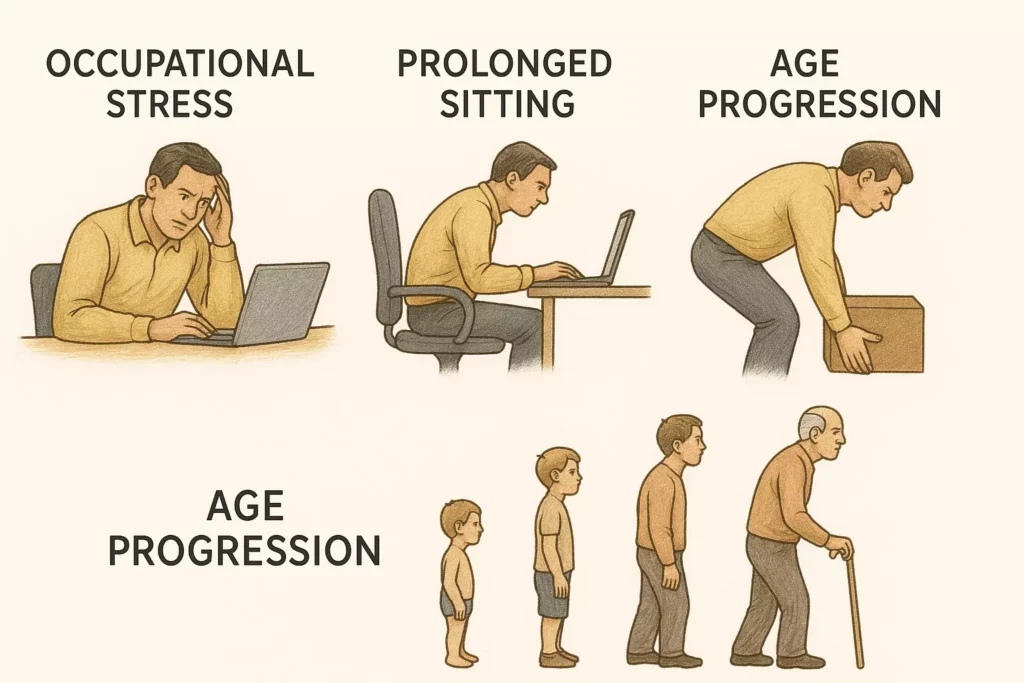
Disc injuries—including bulging discs, herniated discs, and degenerative disc disease—are typically caused by a mix of mechanical strain, poor posture, physical trauma, and age-related wear. Whether you’re a desk worker, manual labourer, or athlete, understanding what triggers disc damage is essential to both prevention and effective treatment.
Poor Posture and Prolonged Spinal Stress Can Cause Bulging Discs
Extended periods of sitting—especially in poor posture—shift pressure to the rear of the spinal discs. Over time, this can cause a bulging disc, where the disc protrudes outward and places pressure on nearby spinal nerves.
- Common in sedentary workers and drivers
- May develop gradually, leading to chronic back pain
Did you know? Sitting slouched for long hours is a top cause of lumbar disc strain.
Sudden Lifting or Twisting Movements May Cause Herniated Discs
Lifting something heavy with improper form, especially while twisting, can rupture the tough outer layer of the disc. This results in a herniated disc, where inner gel material escapes and compresses nearby nerves—often triggering sciatica or leg numbness.
- Common in warehouse jobs, weightlifting, and moving injuries
- Typically results in sharp, radiating pain after injury
Age-Related Degeneration Often Leads to Disc Breakdown
As you age, your spinal discs naturally lose water content and flexibility. This condition—known as degenerative disc disease—makes the discs more prone to bulging, tearing, and flattening.
- Often affects adults 40+
- May cause stiffness, deep aching pain, and loss of disc height
Workplace and Athletic Strain Increases Injury Risk
Jobs and sports that involve repetitive bending, vibration exposure, or high-impact activity place significant stress on spinal structures. This repetitive overload can cause micro-tears, chronic disc inflammation, and even multi-level disc injuries.
- At-risk: construction workers, truck drivers, athletes
- Chiropractors often trace disc injuries back to unaddressed occupational strain
Genetic and Anatomical Factors May Predispose You to Injury
Some people are born with structural variations—like narrow spinal canals or weaker connective tissue—that make them more vulnerable to disc injury, even with minimal stress.
- May lead to early-onset disc herniation
- Often runs in families or appears in younger patients
Summary
Every disc injury has a cause. Whether it’s daily posture, a lifting mistake, or progressive degeneration, recognising the root factors behind disc damage helps shape an effective, personalised treatment plan. At Freedom Clinics Canary Wharf, our chiropractors not only treat disc injuries but help you prevent them through ergonomic advice, corrective therapy, and proactive spinal care.
How to Recognise the Symptoms of a Disc Injury
The symptoms of a disc injury vary depending on its type (e.g., herniated disc, bulging disc) and location in the spine (e.g., lumbar or cervical). Understanding these patterns is critical to prompt diagnosis and effective treatment.
At Freedom Clinics in Canary Wharf, our experienced chiropractors use symptom analysis to determine whether your pain originates from a spinal disc, a nerve root, or muscular structures.
1. Localised Spinal Pain May Indicate Disc Involvement
Lumbar or cervical disc injuries often cause pain directly at the site of the problem. This pain may be:
- A dull, deep ache in the lower back or neck
- Triggered by sitting, bending, or turning the head
- Relieved by lying down or decompressing the spine
2. Radiating Pain and Neurological Symptoms Suggest Nerve Root Compression
When a herniated or bulging disc impinges a nerve root, it can produce neurological symptoms known as radiculopathy.
Lumbar Disc-Related Symptoms (Lower Back):
- Sharp pain radiating down one leg (commonly called sciatica)
- Tingling or burning in the buttock, thigh, calf, or foot
- Muscle weakness, foot drop, or altered reflexes

Cervical Disc-Related Symptoms (Neck):
- Radiating pain into the shoulder or down the arm
- Numbness in the fingers or hand
- Decreased grip strength or arm fatigue
3. Pain That Worsens With Postural Load May Signal Disc Pressure
Activities that increase intra-discal pressure—such as sitting, bending forward, or coughing—often exacerbate disc-related pain. This positional sensitivity helps distinguish discogenic pain from muscular or joint-related sources.
- Sitting for extended periods can compress lumbar discs
- Sneezing or straining may momentarily spike spinal pressure
- Chiropractic testing often reproduces these responses for diagnosis
4. Red Flag Symptoms That Require Immediate Evaluation
Although rare, certain symptoms may indicate severe disc injury and require urgent attention:
- Loss of bladder or bowel control
- Numbness in the saddle region (inner thighs, perineum)
- Rapid onset of leg weakness or paralysis
These are signs of cauda equina syndrome, a surgical emergency caused by severe compression of the lower spinal nerves.
When to See a Chiropractor
If you’re experiencing any of the above symptoms—especially sciatica, shooting leg pain, or posture-related back discomfort—book an assessment at Freedom Clinics Canary Wharf. Our chiropractors specialise in identifying discogenic conditions and developing non-surgical care plans.
How Chiropractors Diagnose Disc Injuries
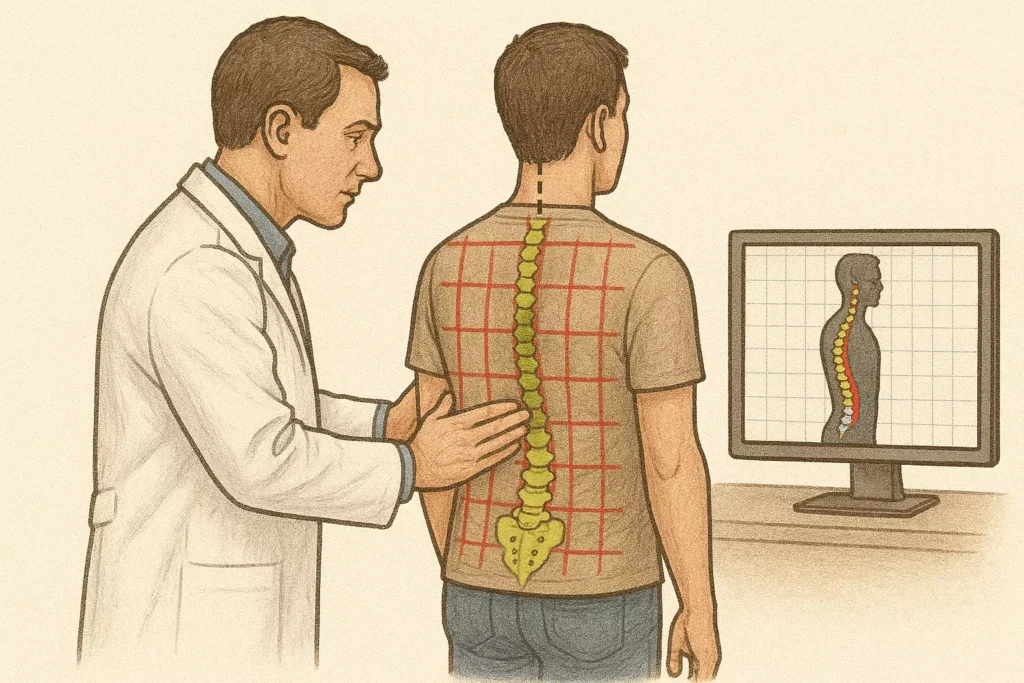
A correct diagnosis is the cornerstone of effective treatment for any disc injury. At Freedom Clinics Canary Wharf, our expert chiropractors use a structured approach combining physical assessments, functional testing, and where necessary, medical imaging to confirm whether you’re dealing with a bulging disc, herniated disc, or degenerative disc disease.
Step 1: Clinical Examination Identifies Disc-Related Dysfunction
In your initial consultation, the chiropractor will:
- Assess spinal range of motion and flexibility
- Perform neurological tests to evaluate sensation, muscle strength, and reflexes
- Identify pain triggers during motion and posture
- Use orthopaedic assessments like:
- Straight Leg Raise – screens for lumbar nerve root irritation
- Spurling’s Test – assesses cervical disc compression
These evaluations help distinguish discogenic pain from muscular, joint, or ligamentous sources and identify patterns of radiculopathy (nerve root-related symptoms).
Step 2: Imaging Confirms the Type and Severity of the Disc Injury
Imaging may be recommended when:
- Neurological symptoms (e.g. weakness, numbness, sciatica) are present
- Symptoms persist beyond 4–6 weeks of conservative care
- Red flags such as trauma, suspected cauda equina syndrome, or unexplained weight loss exist
At Freedom Clinics, chiropractors refer patients for appropriate diagnostic imaging to ensure precise, evidence-based care.
Which Imaging Tests Are Used for Disc Injuries?
| Imaging Modality | Used For | Disc Injury Relevance |
|---|---|---|
| MRI (Magnetic Resonance Imaging) | Visualising discs, nerves, spinal canal | Gold standard for herniations, nerve root compression |
| CT Scan | Assessing bone and trauma | Alternative if MRI is contraindicated |
| X-ray | Viewing spinal alignment and disc space | Useful for posture, less for soft tissue |
Step 3: Chiropractic Diagnosis Guides Personalised Treatment
Your diagnosis forms the basis for a tailored, step-by-step care plan. Based on your clinical findings and imaging results, your chiropractor may recommend:
- Flexion-distraction therapy to reduce pressure on lumbar discs
- Spinal decompression to alleviate nerve compression
- Postural rehabilitation to prevent recurrence
- Multidisciplinary referrals if surgical or advanced intervention is needed
Chiropractic Diagnostic Expertise in Canary Wharf
At Freedom Clinics, our diagnostic protocols align with best-practice chiropractic and musculoskeletal care standards. If you’re experiencing sciatica, back pain, or suspect a disc issue, schedule an assessment with a chiropractor who understands how to identify and treat discogenic conditions effectively.
Flexion-Distraction Therapy: Non-Surgical Relief for Disc Injuries in Canary Wharf
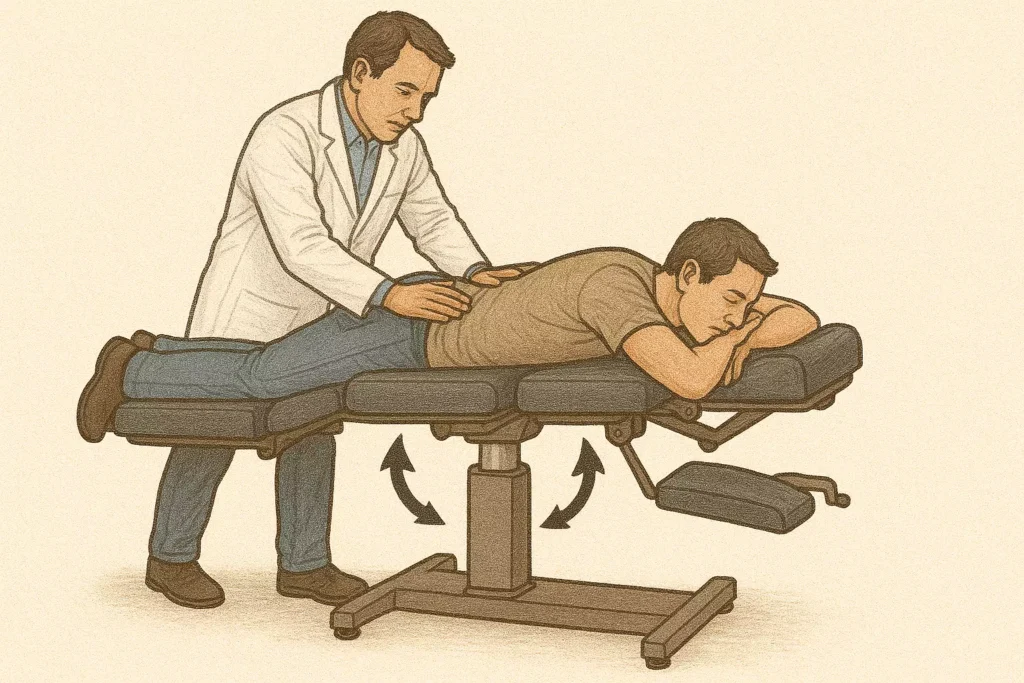
If you’re suffering from a herniated disc, disc bulge, or sciatica, flexion-distraction therapy offers a safe, gentle, and effective solution. At Freedom Clinics Canary Wharf, our chiropractors use this specialised method to decompress spinal discs, relieve nerve pressure, and accelerate healing—without the risks associated with surgery or forceful spinal manipulation.
How Flexion-Distraction Reduces Disc Pressure and Relieves Nerve Compression
Flexion-distraction involves placing the patient on a specially designed table that moves in a rhythmic flexion and distraction motion. While applying targeted manual contact, the chiropractor gently stretches and decompresses the spine. This:
- Reduces intradiscal pressure, helping herniated material retract
- Improves vertebral spacing, relieving spinal joint strain
- Eases nerve root compression, reducing symptoms like sciatica
- Promotes disc rehydration, improving long-term resilience
Best Suited for Disc Bulges, Herniations, Sciatica, and Chronic Back Pain
This technique is especially effective for:
- Lumbar disc herniation with radicular symptoms
- Disc bulges causing mechanical low back pain
- Degenerative disc disease linked to spinal stiffness
- Sciatica from nerve irritation or compression
A narrative review from the University of Sydney’s Spine Research Group concluded that spinal mobilisation and manipulation (including flexion-distraction) constitute moderate evidence (Level B) treatments for lumbar disc herniation associated with radiculopathy, before surgical options are pursued.
Why Chiropractors Prefer Flexion-Distraction for Sensitive Disc Cases
Unlike traditional high-velocity chiropractic adjustments, flexion-distraction is:
- Gentle and non-thrusting
- Suitable for elderly patients or those with osteoporosis
- Customisable to individual disc levels and pain thresholds
- Well tolerated even in acute flare-ups of discogenic pain
Flexion-Distraction at Freedom Clinics Canary Wharf
Our chiropractors are trained in Cox® flexion-distraction protocols and integrate this method into comprehensive care plans that include:
- Clinical assessment and disc-level targeting
- Progress tracking and imaging referrals if needed
- Supportive rehab and postural strengthening
- Ergonomic advice to prevent re-injury
Conveniently located in East London, we serve patients across Canary Wharf, Docklands, and the City of London.
For a deeper look at the advanced chiropractic treatment techniques used for spinal decompression, visit our advanced chiropractic treatment techniques page.
Postural Correction and Rehabilitation for Disc Injury Recovery in Canary Wharf
Recovering from a disc injury requires more than short-term pain relief. It demands strategic postural correction, targeted core strengthening, and progressive rehabilitation to restore spinal function and prevent recurrence.
At Freedom Clinics Canary Wharf, our chiropractors develop integrated, phase-based recovery plans designed to address the underlying causes of disc stress and help patients rebuild structural resilience.
Correcting Posture to Reduce Disc Load and Prevent Re-Injury
Poor posture is a leading contributor to spinal disc injuries, especially when combined with sedentary habits or repetitive strain. Left uncorrected, it can maintain abnormal pressure on healing discs, delaying recovery.
We begin by assessing:
- Cervical and lumbar curvature
- Forward head posture
- Pelvic alignment and sitting ergonomics
- Muscle imbalances and compensatory movement patterns
Using mirror training, digital posture scans, and ergonomic coaching, we guide you toward long-term spinal alignment.
Building Core Strength to Support Disc Healing and Spinal Stability
Postural rehabilitation focuses on activating your deep core musculature—including the transverse abdominis, multifidus, and pelvic stabilisers—to reduce disc pressure and improve movement control.
Your programme may include:
- Low-load motor control exercises
- Spine-safe mobility drills
- Core endurance training using Swiss balls or resistance bands
- Progress tracking via postural hold times and functional movement screens
These exercises protect recovering discs and prevent recurrence by restoring dynamic spinal stability.
Chiropractor-Guided Rehabilitation Protocols for Lasting Disc Recovery
Every disc rehabilitation plan at Freedom Clinics is:
- Based on your diagnosis, imaging (if needed), and movement profile
- Aligned with your work, sport, or lifestyle demands
- Adapted across phases of healing for optimal progression
Recovery Phases Include:
- Acute Phase – Pain reduction, postural control, and inflammation management
- Stabilisation Phase – Core activation, glute engagement, neuromuscular re-education
- Resilience Phase – Movement under load, balance work, and long-term injury prevention
Rehabilitation at Freedom Clinics Canary Wharf
Our Canary Wharf clinic offers comprehensive disc recovery support through:
- Chiropractic-led postural assessments
- 1:1 rehab coaching with experienced professionals
- Integrated diagnostic imaging when needed
- Ergonomic and lifestyle modification guidance
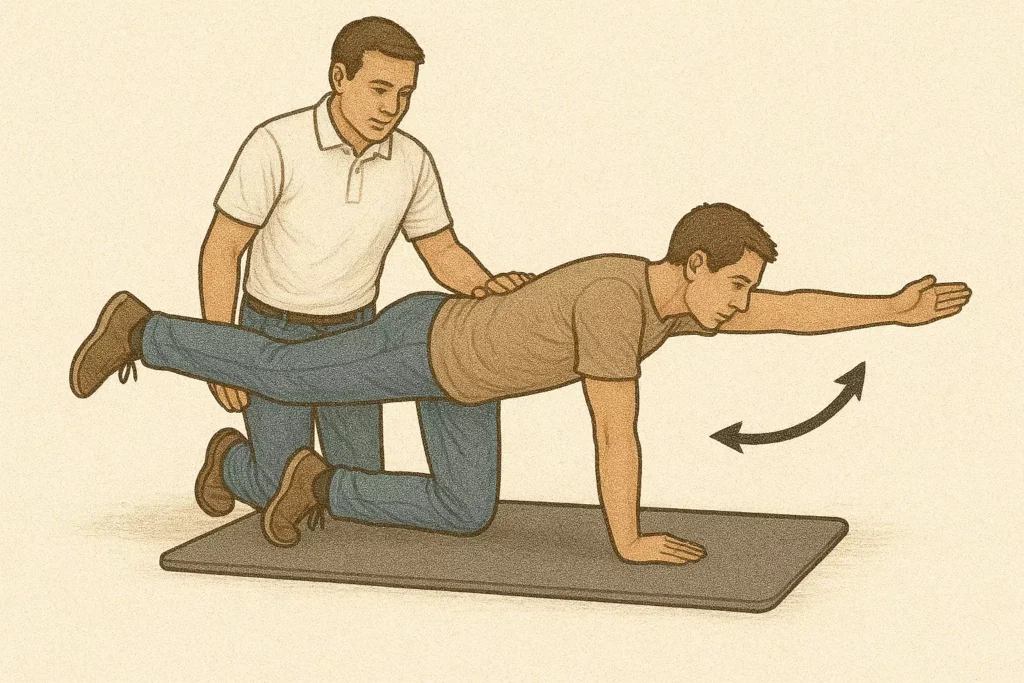
Learn specific progressions and chiropractic rehabilitation exercises that support disc healing in our rehab exercises guide.
FAQs About Disc Injuries and Chiropractic Treatment
What is a disc injury?
A disc injury involves damage to one of the intervertebral discs—the cushioning structures between your spinal vertebrae. This includes:
- Bulging discs (outer layer protrudes without rupture)
- Herniated discs (inner disc material breaks through the outer wall)
- Degenerative disc disease (age-related disc wear and dehydration)
These injuries can compress nearby nerve roots, causing pain, numbness, or loss of function.
What are the signs and symptoms of a herniated or bulging disc?
Common symptoms include:
- Radiating leg or arm pain (e.g. sciatica)
- Localised spinal discomfort
- Numbness, tingling, or muscle weakness
- Pain that worsens when sitting, coughing, or bending forward
Severe symptoms like bladder/bowel dysfunction or leg weakness may indicate cauda equina syndrome—a medical emergency.
Can chiropractors treat disc injuries effectively?
Yes. Chiropractors are trained to assess and treat disc-related conditions. At Freedom Clinics Canary Wharf, we:
- Conduct thorough clinical evaluations for discogenic pain
- Offer non-surgical treatments like flexion-distraction therapy, spinal decompression, and core strengthening rehabilitation
- Refer for MRI scans when neurological signs or red flags are present
Our goal is to relieve symptoms, correct spinal mechanics, and prevent recurrence.
Do I need an MRI to confirm a disc injury?
An MRI may be necessary if:
- Symptoms persist beyond several weeks
- There are signs of nerve compression (e.g., weakness, tingling)
- Red flag conditions are suspected
Your chiropractor will assess whether imaging is required based on your examination findings and NICE clinical guidelines.
How long does it take to recover from a disc injury?
Recovery depends on the:
- Severity and type of disc injury
- Presence of neurological symptoms
- Consistency with rehabilitation and postural correction
Bulging discs may heal in 4–6 weeks. Herniated discs with nerve involvement may take 8–12 weeks or longer, especially if rehabilitation is delayed.
Can a disc injury heal without surgery?
Yes. The majority of disc injuries heal naturally with:
- Chiropractic care and spinal mobilisation
- Posture correction strategies
- Targeted core strengthening and rehabilitation exercises
Surgery is only necessary in rare cases where conservative treatment fails or severe neurological deficits are present.
When should I see a chiropractor for a disc problem?
You should seek chiropractic evaluation if you’re experiencing:
- Ongoing back or neck pain
- Pain that radiates to arms or legs
- Numbness or muscular weakness
- Difficulty maintaining posture or spinal alignment
Freedom Clinics Canary Wharf offers expert disc injury assessment and non-surgical treatment options tailored to your diagnosis and recovery stage.
For more information about chiropractic safety and risks during disc treatment, see our chiropractic safety and risks overview.
Why Freedom Clinics Canary Wharf Is a Leading Chiropractic Clinic for Disc Injury Treatment
At Freedom Clinics, we specialise in diagnosing and treating complex disc injuries—including herniated discs, bulging discs, and degenerative disc disease—using non-invasive chiropractic techniques proven to restore spinal function and alleviate nerve-related pain.
Conveniently located in Canary Wharf, London, our clinic is trusted by professionals, athletes, and residents across East London who seek expert-led, evidence-based care that addresses both the root cause and the long-term management of disc-related conditions.
Accurate Diagnosis of Disc Injuries by Experienced Chiropractors
Our chiropractors perform detailed evaluations to identify the precise disc level and type of injury. Diagnostic protocols include:
- Orthopaedic and neurological testing
- Postural and spinal motion analysis
- Functional assessments of nerve and muscle performance
- Referrals for MRI scans or advanced imaging when needed
Early diagnosis leads to targeted, efficient treatment and helps rule out serious causes like cauda equina syndrome or spinal stenosis.
Advanced Non-Surgical Treatments for Disc Injury Recovery
We deliver tailored care using cutting-edge chiropractic methods designed for spinal decompression, pain relief, and structural correction:
- Flexion-distraction therapy for lumbar herniation and disc bulges
- Mechanical spinal decompression to reduce nerve root pressure
- Manual adjustments and mobilisation when appropriate
- Postural rehabilitation and ergonomic retraining
These therapies help restore disc height, rehydrate the spine, and reduce reliance on medications or surgery.
Rehabilitation That Supports Disc Healing at Every Stage
Disc injury recovery is a process. Our phased rehabilitation programme includes:
- Acute Phase: Pain control, inflammation reduction, and disc protection
- Correction Phase: Postural realignment, core activation, and movement retraining
- Stabilisation Phase: Functional strength development and injury prevention
Each phase is customised by your chiropractor and supported by our on-site rehab specialists.
Freedom Clinics: Trusted Chiropractic Care in Canary Wharf
- Located within Canada Place Shopping Mall, London E14
- Chiropractic care focused on disc injuries and spinal health
- Integrated diagnostics, manual therapy, and rehabilitation in one clinic
- Transparent progress tracking and results-focused care plans
Whether you’re recovering from a recent disc herniation or managing chronic disc degeneration, Freedom Clinics delivers world-class chiropractic care tailored to your condition.
Book your consultation today at Freedom Clinics Canary Wharf and begin your recovery journey—without surgery.
Explore the full range of our Canary Wharf chiropractic services overview for spine and nerve-related conditions.

Our Chiropractors


References
- El Melhat, A. M., Youssef, A. S. A., Zebdawi, M. R., Hafez, M. A., Khalil, L. H., & Harrison, D. E. (2024). Non-surgical approaches to the management of lumbar disc herniation associated with radiculopathy: A narrative review. Journal of Clinical Medicine, 13(4), 974. https://doi.org/10.3390/jcm13040974

