
Understanding Knee-Hip Alignment: Causes, Diagnosis, and Treatment
Knee-hip alignment is the biomechanical relationship between the knee joint and the hip joint, both of which play a crucial role in maintaining efficient lower limb function. Proper alignment ensures that your body distributes weight evenly during movement, preventing unnecessary strain on joints, muscles, and connective tissues. When this alignment is disrupted—due to factors such as leg length discrepancy, abnormal gait mechanics, or muscle imbalance—it can lead to persistent pain and decreased mobility.
Medically reviewed by: Dr Priya Anand DPM. Last update: 18th May 2026
Book your appointment
At Freedom Clinics, based in Canary Wharf, London, our experienced podiatrists specialise in diagnosing and treating knee-hip misalignment. We use state-of-the-art 3D gait analysis, postural assessments, and biomechanical evaluations to pinpoint alignment issues. Our holistic approach includes prescribing custom orthotics and designing rehabilitation plans that address both structural and functional imbalances.
Common symptoms of misalignment include:
- Chronic hip or knee pain
- Lower back strain from compensatory movements
- Instability or altered walking patterns
- Uneven wear on shoes or observed leg asymmetry
Understanding and correcting knee-hip alignment is vital not only for managing pain but also for improving posture, athletic performance, and long-term joint health. Misalignment is often overlooked, yet it’s one of the most treatable causes of lower limb discomfort and mechanical dysfunction.
In this guide, you’ll learn:
- What knee-hip alignment is and how it impacts your biomechanics
- The leading causes and symptoms of misalignment
- How podiatric diagnostics can uncover hidden issues
- The best treatment options, including orthotic correction and rehabilitative therapy
Ready to restore balance to your gait and protect your joints? Let’s begin by defining knee-hip alignment and how it affects your overall posture and mobility.
What Is Knee-Hip Alignment?
Knee-hip alignment refers to the anatomical and biomechanical relationship between the hip joint, femur (thigh bone), and knee joint. It governs how efficiently the lower limbs function during activities like walking, standing, running, or climbing stairs. Proper alignment allows force to travel symmetrically through the legs, reducing strain on joints, muscles, and ligaments.
When alignment is compromised—often due to leg length discrepancy, hip rotation, or postural dysfunction—the body adapts with compensatory movements. These adaptations may lead to gait abnormalities, joint degeneration, or muscle fatigue, especially in the pelvis, lumbar spine, and lower extremities.
At Freedom Clinics in Canary Wharf, our podiatry and biomechanics specialists evaluate this alignment using 3D gait analysis, posture scans, and manual movement assessments. These diagnostics reveal whether poor knee-hip alignment is contributing to symptoms like hip pain, knee instability, or chronic lower back tension.
The Role of Biomechanics in Knee-Hip Alignment
Biomechanics is the study of movement patterns and load distribution across the musculoskeletal system. In cases of knee-hip misalignment, poor foot posture (such as overpronation), pelvic tilt, or weakness in stabilising muscles can alter the trajectory of the femur, causing the knee to track abnormally.
These movement distortions are measurable using digital gait analysis, which captures asymmetries, pressure shifts, and muscle firing sequences. This data enables our clinicians to isolate the root cause of biomechanical misalignment and develop a precise realignment strategy.
How Misalignment Impacts Gait and Posture
Disrupted knee-hip alignment has far-reaching effects:
- Abnormal joint loading can result in cartilage wear (e.g., patellofemoral pain syndrome)
- Uneven gait may strain the lumbar spine and lead to postural collapse
- Patients may exhibit pelvic drop, limping, or gluteal fatigue
Left uncorrected, these symptoms can reduce mobility, increase fall risk, and limit athletic performance. That’s why addressing alignment through a podiatric evaluation and orthotic intervention is key to restoring both movement efficiency and long-term joint health.
A 2022 study published in MDPI Health Sciences demonstrated that even mild simulated leg-length discrepancies result in asymmetric foot loading and reduced dynamic gait stability—key predictors of fall risk.
Causes of Knee-Hip Misalignment
Knee-hip misalignment often originates from a combination of structural asymmetries, muscle imbalances, and faulty gait mechanics. These underlying factors disrupt the normal anatomical axis between the hip joint and knee joint, altering the biomechanics of walking, standing, and movement. At Freedom Clinics, our podiatrists identify these root causes through advanced gait analysis, postural evaluation, and functional testing.
Structural Contributors to Misalignment
Leg Length Discrepancy
A common but frequently undiagnosed cause, leg length discrepancy results in a tilted pelvis and uneven hip positioning. This leads to a compensatory knee angle on the longer leg side, increasing the risk of joint stress, gait imbalance, and overuse syndromes.
According to a 2023 study published in Clinical Biomechanics, structural leg length discrepancies as small as 10 mm can tilt the pelvis, disrupt knee alignment, and increase asymmetric joint loading.
Femoral Rotation Abnormalities
When the femur rotates abnormally—either too far inward (anteversion) or outward (retroversion)—the knee may deviate from its natural path. This misalignment places strain on the patellofemoral joint and alters movement patterns, especially during walking and running.
Muscular and Neuromuscular Factors
Gluteal Weakness and Hip Instability
The gluteus medius plays a critical role in stabilising the hip during gait. Weakness in this muscle group results in pelvic drop, which shifts the alignment of the femur and knee medially, creating stress on the knee’s internal structures.
Tightness in the IT Band and Hamstrings
Restricted flexibility in these muscles limits proper hip and knee motion. This often causes a rotational compensation during walking, misaligning the lower limb axis and straining the pelvic-hip-knee kinetic chain.
Foot Mechanics and Gait Patterns
Overpronation (Flat Foot Mechanics)
When the foot arch collapses, the tibia internally rotates, forcing the femur and knee to follow. This disrupts natural hip tracking, particularly during mid-stance and toe-off phases of gait. Freedom Clinics addresses this through custom orthotics and corrective foot posture therapy.
Supination (High Arches)
High-arched feet absorb less shock, increasing the vertical force transmission through the knees and hips. This biomechanical overload often causes compensatory hip tilt and malalignment between the femur and acetabulum.
Postural Habits and Lifestyle Factors
Daily habits like sitting cross-legged, favoring one leg while standing, or prolonged static posture can lead to functional misalignment. These repetitive patterns alter pelvic symmetry, affect gait rhythm, and contribute to long-term musculoskeletal dysfunction.

Symptoms of Knee-Hip Misalignment
Knee-hip misalignment manifests in a range of physical and postural symptoms that disrupt everyday function and mobility. These symptoms may initially appear isolated—such as knee pain or lower back discomfort—but often reflect an underlying disruption in the hip-knee joint axis. Recognising these signs early is essential to prevent worsening biomechanical dysfunction and chronic compensation.
At Freedom Clinics, our podiatrists analyse these indicators using digital gait assessments, posture analysis, and functional testing to pinpoint the misalignment and formulate precise, corrective interventions.
Localised Pain in the Lower Limb and Back
Pain is the most direct sign of misalignment and typically follows predictable anatomical pathways:
- Anterior or medial knee pain during activities like walking downhill or squatting
- Deep hip aching especially when transitioning between sitting and standing
- Lumbar discomfort caused by compensatory pelvic tilt and spinal torsion
These are not isolated issues—they signal mechanical overload along the hip-knee-lower back continuum.

Gait Abnormalities and Loss of Balance Control
Changes in walking patterns often accompany knee-hip misalignment. Patients frequently report:
- Uneven step length, where one foot strides longer than the other
- Pelvic dropping or hip hitching, indicating gluteal compensation
- Foot slapping or dragging, reflecting delayed limb coordination
- Subtle imbalance or hesitation when walking on uneven terrain
These symptoms reflect altered gait kinetics, detectable through Freedom Clinics’ gait scanning technology.
Muscle Fatigue and Postural Compensations
To maintain motion despite misalignment, the body activates secondary muscle groups:
- Gluteus medius and maximus fatigue from overwork
- Overactive quadriceps attempting to stabilise the knee
- Tight erector spinae muscles from chronic low-back strain
These muscular stress points suggest a long-standing disruption of the kinetic chain and should prompt realignment strategies, including custom orthotics or rehabilitation.
Observable Physical Signs
Non-verbal indicators are often the first visible warning signs of misalignment:
- Uneven wear on shoes, especially across the heel or forefoot
- One hip appearing higher or more externally rotated
- Frequent tripping or stumbling without clear environmental causes
These signals often emerge well before pain intensifies and are highly valuable during a podiatric diagnostic session.
Diagnosing Knee-Hip Alignment Issues at Freedom Clinics
Precise diagnosis of knee-hip alignment issues is the foundation for successful treatment and long-term mobility restoration. At Freedom Clinics, we use a comprehensive, evidence-based diagnostic process combining digital gait analysis, functional joint testing, and postural symmetry assessments. This approach ensures that both structural and functional causes of misalignment are accurately identified.
Our experienced podiatrists evaluate how your hip joint, femur, and knee joint interact during movement. They look beyond symptoms—analysing how underlying imbalances in joint mobility, leg length, and muscular control contribute to misalignment.
Digital Gait Analysis and Pressure Mapping
Our clinic utilises pressure-sensitive gait platforms and motion tracking software to monitor:
- Foot strike dynamics and step symmetry
- Rotational behavior in the femur and pelvis
- Signs of pelvic tilt or compensatory movement strategies
This data provides a dynamic map of your walking pattern and reveals whether alignment breakdowns occur during heel strike, midstance, or toe-off phases.
Leg Length Assessment and Pelvic Symmetry Evaluation
Using posture grids, visual height mapping, and laser alignment tools, we assess:
- Anatomical or functional leg length discrepancies
- Pelvic elevation or tilt, which can rotate the spine and shift knee positioning
- Asymmetrical weight distribution that stresses one side of the body
These factors are critical in understanding the biomechanical root of knee-hip misalignment.
Clinical Joint and Muscle Function Testing
Our podiatrists conduct in-clinic evaluations of:
- Hip joint rotation, flexion, and extension
- Knee alignment under dynamic loading and squatting movements
- Pelvic stability under single-leg stance and core activation
These tests isolate whether the misalignment stems from joint stiffness, muscular weakness, or neuromuscular compensation.
Personalised Diagnostic Mapping and Treatment Planning
Each assessment culminates in a customised knee-hip alignment profile, which includes:
- Gait metrics and posture diagrams
- Detailed explanation of asymmetries and kinetic deficits
- Recommended solutions such as custom orthotics, gluteal rehabilitation, or manual therapy
This clinical roadmap enables patients at Freedom Clinics to understand their alignment dysfunctions and begin a targeted path toward correction.

Treatment Options for Correcting Knee-Hip Alignment
Correcting knee-hip alignment requires a strategic, personalised treatment approach that targets the biomechanical causes of dysfunction while supporting muscular stability and joint mobility. At Freedom Clinics, our clinicians design integrated care plans focused on restoring structural balance, relieving pain, and preventing future misalignment.
Our multidisciplinary treatment programs address both the mechanical misalignment of the hip and knee joints and the compensatory patterns that develop in response.
Custom Orthotics for Lower Limb Realignment
Custom orthotics are often the first line of intervention, particularly when foot posture imbalances like overpronation or supination are contributing to knee-hip misalignment.
Research by RPTU University of Kaiserslautern‑Landau in Frontiers in Sports and Active Living found that custom orthotic insoles significantly improved gait symmetry and pelvic alignment in LLD patients.
These precision-fitted insoles:
- Adjust foot-ground interface mechanics to reduce rotational forces on the knees and hips
- Promote pelvic symmetry by balancing leg loading
- Improve gait pattern consistency to correct kinetic imbalances
Crafted using data from gait analysis and 3D foot scans, orthotics provide structural support while enabling long-term postural correction.

Functional Rehabilitation and Movement Retraining
Our physical therapy protocols focus on restoring neuromuscular coordination and correcting dysfunctional movement patterns:
- Gluteal activation drills to stabilise hip joints and prevent pelvic drop
- Pelvic realignment exercises that retrain spinal-hip-knee coordination
- Balance and proprioceptive work to reinforce symmetric gait control
These sessions are tailored to each patient’s diagnostic profile and progressed to match their functional needs.
Manual Therapy for Soft Tissue and Joint Function
Hands-on interventions are employed to release restrictions and facilitate joint motion:
- Joint mobilisation techniques improve hip range of motion and knee tracking
- Myofascial release and trigger point therapy relieve chronic muscular tightness, especially in the IT band, quadriceps, and hamstrings
- Soft tissue manipulation reduces tension that perpetuates misalignment and compensatory loading
These therapies accelerate recovery and improve patient mobility.
Postural Education and Lifestyle Modifications
True correction requires sustainable habits. Our clinicians provide:
- Footwear consultations to match arch type and gait requirements
- Sitting and standing posture training to avoid pelvic torsion and asymmetric loading
- Daily stretching and movement routines to preserve muscular balance
This education empowers patients to maintain their alignment independently, reducing recurrence risk.
Preventing Knee-Hip Misalignment
Preventing knee-hip misalignment begins with proactive attention to how the body moves, rests, and bears weight throughout daily life. Many alignment issues originate not from injury, but from gradual changes in gait mechanics, muscle balance, and postural routines.
At Freedom Clinics, we advocate early identification and movement optimisation to maintain symmetry between the hip joint and knee joint, reduce long-term strain, and protect overall mobility.
Wear Footwear That Supports Natural Alignment
Footwear plays a foundational role in preserving correct lower limb posture:
- Choose shoes with arch support, heel stability, and neutral alignment geometry
- Avoid worn-out shoes—especially those showing asymmetrical tread wear
- Use custom orthotics to maintain proper joint tracking and pressure distribution
These measures stabilise the foot and ankle, reducing torsional forces that disrupt hip and knee alignment.
Train Muscles That Protect Alignment
Building strength and flexibility in the right areas preserves biomechanical symmetry:
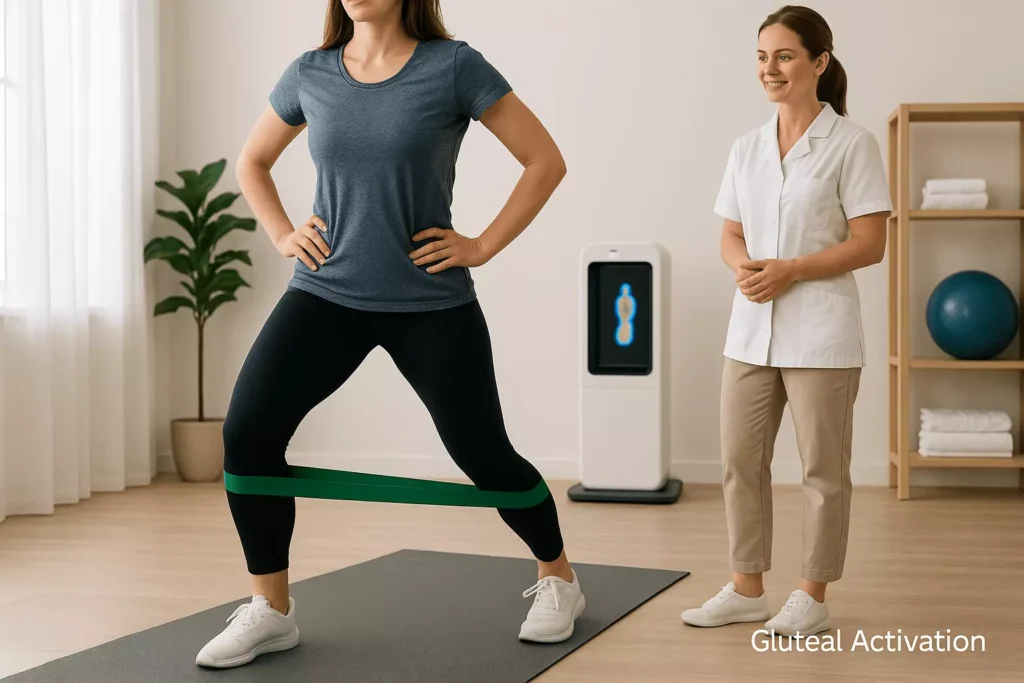
- Perform glute activation and core stability exercises to prevent pelvic drop
- Stretch tight hip flexors, IT band, and hamstrings to maintain mobility
- Incorporate balance drills to train even force distribution between limbs
These actions reinforce the structural integrity of the pelvic-hip-knee axis, reducing compensation and overuse.
Maintain Postural Awareness in Everyday Positions
Everyday habits influence alignment more than most people realise:
- Avoid crossing legs or shifting weight habitually onto one side
- Set up ergonomic workspaces that align your spine, pelvis, and knees
- Alternate positions and avoid long sedentary bouts
Consistent postural hygiene supports the structural neutral zone of your hips and knees and minimises misalignment risk.
Book Preventive Gait and Posture Assessments
Early detection is key to managing biomechanical problems before they escalate. At Freedom Clinics, we provide:
- Annual gait and posture evaluations to detect emerging misalignments
- Biomechanical screening for athletes, post-rehab patients, and those with recurring lower limb symptoms
- Proactive correction strategies using orthotics, rehab exercises, or lifestyle changes
Preventive diagnostics protect long-term joint health and help avoid the progression of knee-hip misalignment into chronic pain or dysfunction.
Frequently Asked Questions About Knee-Hip Alignment
These frequently asked questions address the causes, symptoms, diagnostics, and treatments related to knee-hip alignment, providing clarity for patients experiencing lower limb dysfunction or chronic joint discomfort.
What causes knee-hip alignment issues in the first place?
Misalignment between the knee and hip joints commonly arises from:
- Leg length discrepancies that tilt the pelvis and shift the kinetic chain
- Muscle imbalances, particularly in the glutes, hip flexors, and core stabilisers
- Improper gait mechanics, such as overpronation or limping patterns
- Poor postural habits and unsupportive footwear
Over time, these issues disrupt the coordinated alignment of the femur, pelvis, and patella, leading to biomechanical dysfunction.
Can custom orthotics correct knee-hip alignment?
Absolutely. At Freedom Clinics, we prescribe custom orthotics that are:
- Mapped using digital gait analysis
- Engineered to restore pelvic symmetry
- Designed to control foot posture and absorb shock
- Aligned to improve hip-knee kinetic chain efficiency
They form the foundation of many realignment protocols and work best when combined with muscular retraining.

What are the signs that I might have knee-hip misalignment?
Key symptoms include:
- Chronic hip or knee pain, especially on one side
- Visible asymmetry in leg length or standing posture
- Noticeable uneven shoe wear patterns
- Frequent tripping, limping, or balance issues
- Tightness or fatigue in the lower back and glutes
If these signs are familiar, you likely have an underlying alignment issue that should be assessed clinically.
Is knee-hip misalignment permanent?
No. Knee-hip misalignment can often be fully corrected with early intervention. Success typically depends on:
- Accurate diagnosis using advanced tools like 3D gait scans
- Addressing both structural causes and movement patterns
- Following through with corrective measures including orthotics, therapy, and ergonomic changes
Even chronic cases can see major improvements with the right treatment plan.
How do I get started with diagnosis and treatment?
Schedule a full podiatric assessment at Freedom Clinics, where we’ll:
- Conduct a biomechanical gait analysis
- Evaluate pelvic and leg symmetry
- Develop a treatment plan involving orthotics, rehabilitation, and lifestyle modification
Early detection leads to better outcomes and helps prevent secondary issues such as spinal strain or hip degeneration.
Our Podiatrists & Chiropodists


References
- Pereira, A. et al. (2022). The effect of simulated leg-length discrepancy on the dynamic gait stability. MDPI Health Sciences, 9(8), 932. https://doi.org/10.3390/healthcare9080932
- Cho, H. J., Lee, J. D., & Kim, H. J. (2023). Overview and spinal implications of leg length discrepancy. Clinical Biomechanics, 62, 18–25. https://doi.org/10.4055/cios20224
- Simon, S., Dully, J., … Becker, S. (2020). Orthotic insoles improve gait symmetry and reduce immediate pain in adults with mild leg‑length discrepancy. Frontiers in Sports and Active Living, 2, 579152. https://doi.org/10.3389/fspor.2020.579152

