
What Are Orthotics?
Clinical Definition of Orthotics
Orthotics, also referred to as foot orthoses, are custom-fabricated medical devices inserted into footwear to correct biomechanical dysfunctions, realign foot posture, and manage musculoskeletal pain. At Freedom Clinics in Canary Wharf, our orthotics are designed based on comprehensive biomechanical assessments and 3D gait analysis, ensuring each device precisely supports your unique foot structure and movement pattern.
These devices are commonly prescribed for conditions such as plantar fasciitis, flat feet, overpronation, and metatarsalgia, and are engineered to alleviate strain, redistribute pressure, and stabilise gait across walking, standing, or running motions.
Medically reviewed by: Dr Priya Anand DPM. Last update: 18th May 2026
Book your appointment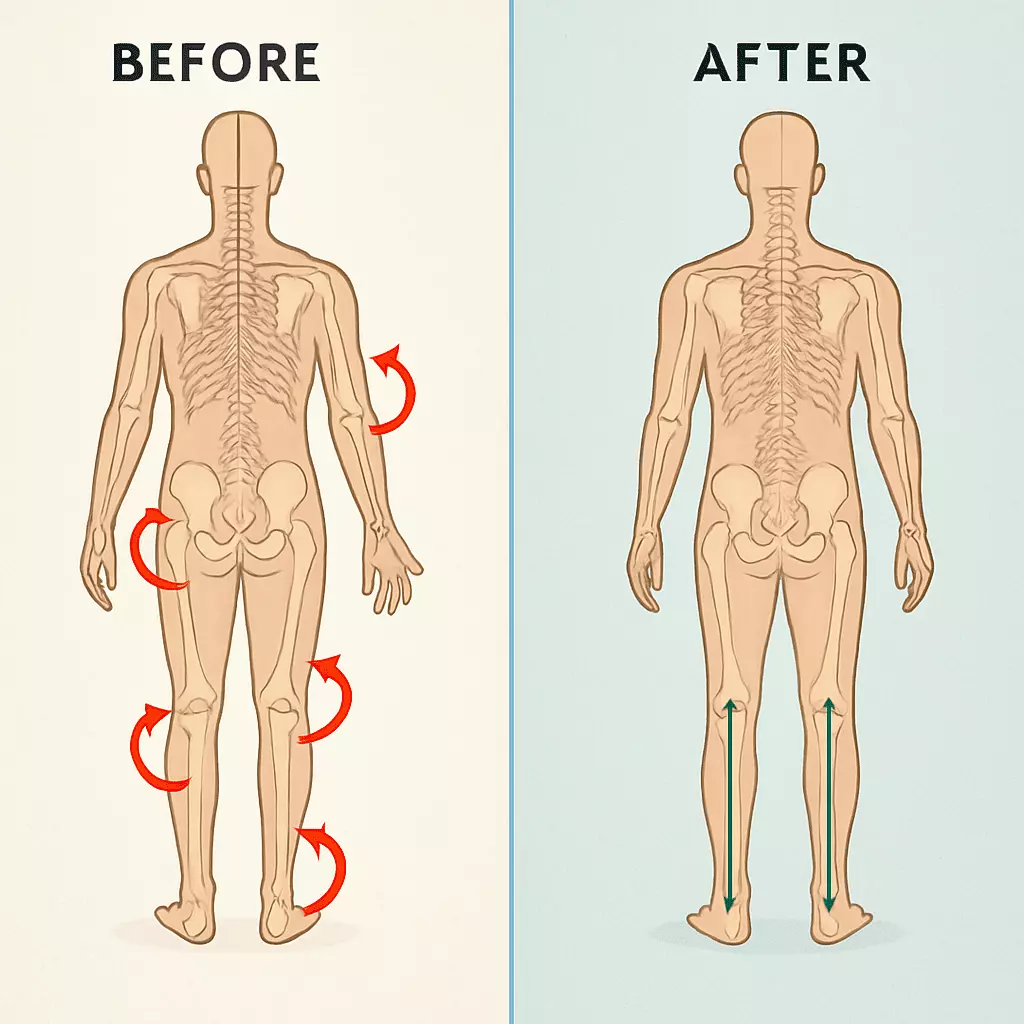
Orthotics vs Over-the-Counter Insoles
While many people are familiar with generic shoe insoles, it’s important to understand that custom orthotics provide far greater biomechanical benefits. Over-the-counter insoles offer basic cushioning but lack the structural specificity needed to correct functional issues.
| Feature | Over-the-Counter Insoles | Custom Orthotics (Freedom Clinics) |
|---|---|---|
| Fit & Customisation | Generic sizes | Individually prescribed from gait scan |
| Support Function | Basic cushioning | Arch correction, motion control |
| Biomechanical Correction | None | Aligns gait and posture |
| Clinical Suitability | Non-prescriptive | Designed for medical conditions |
| Long-Term Pain Relief | Limited | Proven support for chronic conditions |
Custom orthotics are especially beneficial for individuals with functional gait abnormalities, foot asymmetry, or underlying joint loading issues, where off-the-shelf inserts offer no therapeutic benefit.
How Orthotics Work: Function and Mechanism
Orthotics influence how the foot interacts with the ground, which directly impacts the entire kinetic chain—from ankles to knees, hips, and lower back. They function by:
- Redistributing plantar pressure to reduce overload on high-stress areas
- Supporting foot arches to prevent collapse and maintain alignment
- Stabilising heel strike and toe-off phases during gait
- Reducing compensatory strain on joints through improved foot posture
For instance, in cases of plantar fasciitis, orthotics support the medial longitudinal arch, reducing tensile stress on the plantar fascia. For overpronation, they limit inward foot roll and support neutral positioning of the subtalar joint.
These corrective mechanisms are central to long-term relief, especially for patients suffering from chronic heel pain, forefoot pressure, postural instability, or conditions exacerbated by repetitive stress.

Conditions Treated With Orthotics
At Freedom Clinics in Canary Wharf, our custom orthotics are clinically prescribed to treat a wide spectrum of foot, ankle, and lower limb disorders. Designed to correct biomechanical dysfunction and reduce abnormal loading, orthotics not only address the symptoms of pain and discomfort, but also target the underlying causes of common musculoskeletal conditions.
Plantar Fasciitis & Heel Pain
Plantar fasciitis occurs when the thick band of tissue running along the sole of the foot becomes irritated or inflamed, leading to sharp or aching pain, especially in the heel.
Custom orthotics:
- Support the medial longitudinal arch
- Reduce tensile strain on the plantar fascia
- Improve heel-to-toe gait mechanics
- Minimise repeated microtrauma during standing and walking
According to a randomised controlled trial by the University of South Australia, patients with plantar fasciopathy who wore custom foot orthoses experienced reduced plantar fascia thickness and significantly less first‑step pain over 12 weeks.
Flat Feet (Pes Planus) & Overpronation
Flat feet can cause the arches to collapse, leading to excessive inward rolling (overpronation) of the ankles and misalignment of the lower limb joints.
Custom orthotics:
- Provide structured arch support
- Stabilise the subtalar joint
- Redistribute pressure along the plantar surface
- Reduce stress on knees, hips, and the lower back by restoring alignment
High Arches (Pes Cavus) & Supination
Patients with high arches experience reduced shock absorption and excessive pressure on the heel and forefoot, often resulting in pain and instability.
Custom orthotics:
- Offer lateral control and cushioning
- Reduce pressure peaks on metatarsal heads
- Assist in correcting underpronation (supination)
- Improve balance and reduce ankle inversion risk
Metatarsalgia & Forefoot Pain
Metatarsalgia refers to pain in the ball of the foot caused by abnormal pressure or joint inflammation under the metatarsal heads.
Custom orthotics:
- Offload pressure through metatarsal pads
- Redistribute forefoot weight-bearing
- Improve push-off mechanics in walking and running
- Reduce risk of neuromas and stress fractures
Diabetic Foot Conditions
Patients with diabetes are at increased risk for neuropathy, poor circulation, and foot ulceration, making protective footwear a critical part of care.
Custom orthotics:
- Accommodate deformities and reduce pressure hotspots
- Use soft, non-abrasive materials to protect fragile skin
- Lower the risk of ulcer formation through pressure redistribution
- Provide therapeutic support in high-risk foot profiles
Knee, Hip, and Lower Back Pain Due to Gait Dysfunction
Poor foot alignment can trigger a chain reaction through the kinetic chain, causing compensatory strain in the knees, hips, and lower back.
Custom orthotics:
- Restore foot-ground alignment
- Reduce internal tibial rotation and pelvic asymmetry
- Support neutral joint mechanics during walking and standing
- Aid in conditions like patellofemoral pain, IT band syndrome, and lumbar strain
Research conducted at RPTU Kaiserslautern‑Landau demonstrated that custom-made sensorimotor and biomechanical foot orthoses significantly modified ankle, knee, and hip joint kinematics in individuals with patellofemoral pain, indicating improved alignment throughout the kinetic chain.
Types of Orthotics We Provide
At Freedom Clinics in Canary Wharf, we prescribe a full range of custom orthotics, tailored to address your individual foot structure, gait pattern, and clinical condition. Based on your biomechanical assessment and 3D gait analysis, we match you with the appropriate orthotic type to correct alignment, alleviate discomfort, and support long-term mobility.
Functional (Rigid) Orthotics
Best For:
- Overpronation and flat feet
- Postural realignment
- Chronic lower limb misalignment
Function:
Rigid orthotics are constructed from high-density materials such as carbon composite or polypropylene. They provide maximum motion control, particularly across the rearfoot and subtalar joint, making them ideal for correcting excessive foot pronation and improving overall kinetic chain alignment.
Clinically effective for:
- Knee maltracking
- Lower back strain linked to foot posture
- Ankle instability due to arch collapse
Semi-Rigid Orthotics
Best For:
- Runners, athletes, and gym users
- Mild to moderate biomechanical issues
- Versatile daily-use footwear
Function:
Semi-rigid orthotics strike a balance between support and flexibility, allowing the foot to move naturally while limiting abnormal motion. Designed for active patients, these insoles stabilise gait during dynamic activity and prevent overuse injuries.
Common applications:
- Plantar fasciitis support during activity
- Shin splint prevention
- Gait optimisation for endurance sports

Accommodative (Soft) Orthotics
Best For:
- Diabetic foot care
- Arthritis-related deformities
- Elderly patients with fragile skin
Function:
Accommodative orthotics use soft, shock-absorbing materials to protect sensitive feet, cushion high-pressure zones, and reduce the risk of ulcers, calluses, and skin breakdown. These orthotics are custom-molded to accommodate structural abnormalities such as bunions, toe deformities, or swelling.
Ideal for:
- Peripheral neuropathy in diabetes
- Rheumatoid arthritis with foot involvement
- Pressure offloading in geriatric care
Activity-Specific Orthotics
Best For:
- Sports performance and injury prevention
- Occupational footwear (steel-toe boots, standing work)
- Footwear-specific support needs
Function:
These orthotics are adapted to the shape and stress demands of specific shoe types and movement patterns. Designed for both athletic and work environments, they improve fit, support, and function in footwear that requires precision or prolonged use.
Examples:
- Running orthotics: Lightweight, shock-absorbing, arch-contoured
- Football boot orthotics: Narrow, cleat-compatible, stabilising
- Work boot orthotics: Durable, arch-supportive, impact-resistant
Orthotic Type Comparison Table
| Orthotic Type | Motion Control | Shock Absorption | Best Used For |
|---|---|---|---|
| Functional (Rigid) | High | Low | Flat feet, gait correction, posture support |
| Semi-Rigid | Moderate | Moderate | Active lifestyles, general biomechanical aid |
| Accommodative (Soft) | Low | High | Diabetic care, arthritis, elderly support |
| Activity-Specific | Variable | Customised | Sports, work, footwear-specific integration |
Benefits of Custom Orthotics
At Freedom Clinics in Canary Wharf, our custom orthotics are medically prescribed to correct biomechanical dysfunction, support posture, relieve chronic pain, and prevent injury. Built around your unique foot anatomy and gait profile, these devices are a cornerstone in improving both daily mobility and long-term musculoskeletal health.
1. Targeted Pain Relief & Pressure Redistribution
Orthotics are designed to correct uneven plantar pressure distribution and relieve strain on overloaded tissue structures. This is especially effective for:
- Plantar fasciitis: Arch support reduces tensile load on the fascia
- Heel pain and spur formation: Shock attenuation at heel strike
- Metatarsalgia: Offloading pressure under the metatarsal heads
Orthotics mitigate abnormal pressure points, leading to measurable reduction in pain and inflammation over time.
2. Enhanced Gait Mechanics & Motion Efficiency
Custom orthotics optimise the biomechanics of walking and running by:
- Correcting overpronation and underpronation
- Improving heel strike and propulsion phases of gait
- Realigning joint movement across the kinetic chain
The result is smoother, more balanced locomotion that minimises fatigue and reduces risk of mechanical overload.
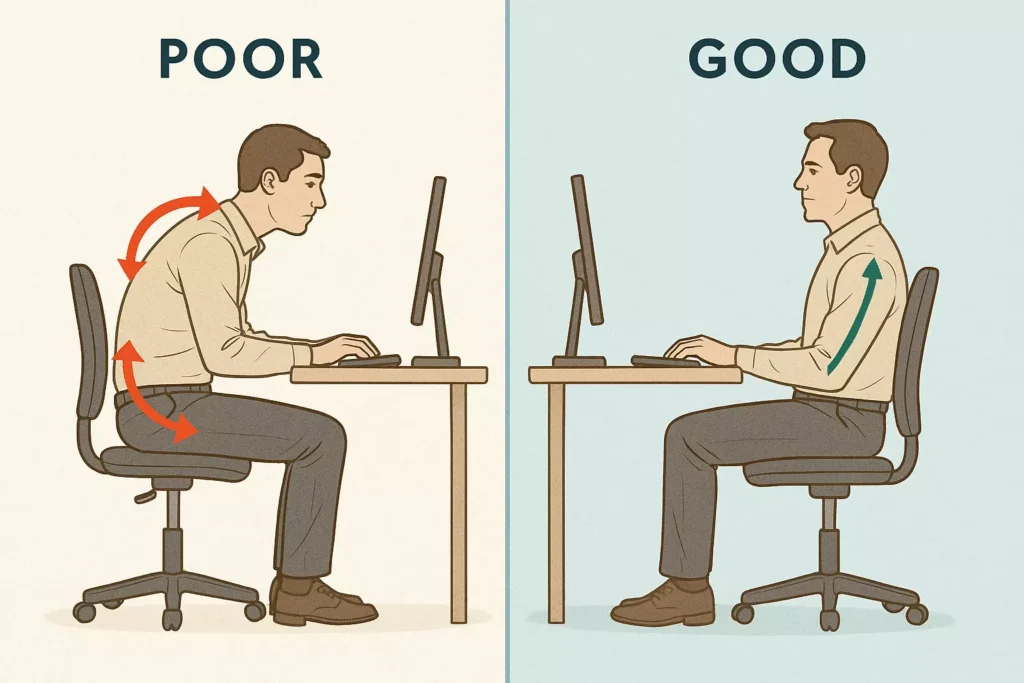
3. Improved Postural Alignment & Joint Stability
Foot posture affects how the knees, hips, and spine align. Orthotics stabilise the foundation of your stance and support:
- Correction of leg length discrepancies
- Pelvic and spinal alignment for those with poor foot posture
- Balance improvements in standing and dynamic movement
They are especially effective for individuals experiencing functional scoliosis, low back pain, or occupational posture strain.
4. Overuse Injury Prevention
Repetitive impact and microtrauma can lead to injury without proper biomechanical support. Orthotics reduce risk by:
- Controlling abnormal joint motion
- Absorbing excess ground reaction force
- Enhancing stability for high-repetition or high-impact tasks
Preventable injuries include shin splints, Achilles tendinopathy, and patellofemoral pain syndrome.
5. Long-Term Musculoskeletal Health & Condition Management
Orthotics offer long-term structural support for patients with chronic or degenerative conditions. They help:
- Slow the progression of osteoarthritis in weight-bearing joints
- Reduce pressure-related risk in diabetic foot care
- Support recovery after surgery or trauma affecting the lower limb
As a non-invasive treatment, orthotics form a sustainable part of musculoskeletal management protocols.
Orthotics Pricing & Service Packages at Freedom Clinics Canary Wharf
At Freedom Clinics, we offer transparent and comprehensive pricing for all aspects of your custom orthotics journey and other podiatry services provided. From your initial biomechanical assessment to the delivery of prescription-grade insoles, each phase is designed to deliver clinical precision and lasting value.
Biomechanical Assessment & Gait Analysis
Every orthotics pathway begins with a diagnostic biomechanical evaluation, essential for accurate prescription.
What’s included:
- Consultation with an HCPC-registered podiatrist
- 3D gait analysis and pressure plate scanning
- Joint alignment, foot posture, and kinetic chain assessment
Price: £195
Required for all orthotics prescriptions. Non-refundable.
Custom Orthotics: Prescription, Design & Fitting
Based on your assessment, we design and fabricate custom orthotic devices tailored to your unique gait profile and foot structure.
What’s included:
- Bespoke prescription based on gait and posture data
- Precision manufacturing using EVA, carbon, or hybrid materials
- Orthotic fitting and gait adaptation support
Price: starting from £375 (includes one pair of orthotics)
Follow-Up Support
We provide post-fitting care to ensure your orthotics integrate smoothly.
- Minor adjustments: FREE within 4 weeks
- Review appointments or re-evaluation: £55
Private Insurance & Reimbursement
We issue fully itemised invoices suitable for:
- Private medical insurance claims (e.g. Bupa, AXA, WPA)
- Healthcare cash plans via employers
- Tax reimbursement under self-pay medical provisions
Check with your provider regarding podiatry and orthotics coverage.
Booking & Payment Information
Ready to begin? Schedule your orthotics assessment online or call our reception. We’ll help you:
- Understand what’s included
- Choose footwear suitable for your orthotics fitting
Frequently Asked Questions – Custom Orthotics
Are custom orthotics better than regular insoles?
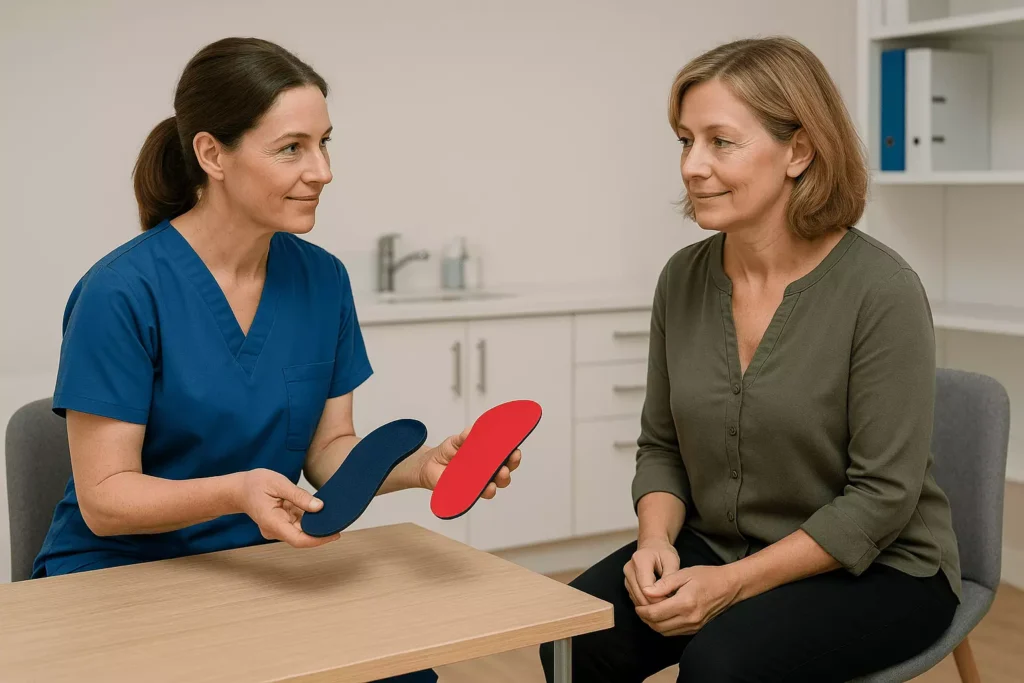
Yes. Custom orthotics are medically prescribed following a full biomechanical and gait analysis, and are tailored to your foot anatomy, posture, and movement patterns. In contrast, generic insoles provide temporary cushioning but do not correct structural issues like overpronation, plantar fasciitis, or postural misalignment.
What’s included in a gait and biomechanical assessment?
At Freedom Clinics in Canary Wharf, your biomechanical assessment includes:
- 3D gait analysis with pressure plate diagnostics
- Evaluation of foot posture, joint alignment, and muscle function
- Diagnosis of conditions like flat feet, knee misalignment, and heel pain
This is the foundation for prescribing effective, condition-specific orthotic solutions.

Can I claim custom orthotics through private health insurance?
Yes. We provide itemised invoices suitable for submission to insurers such as Bupa, AXA, WPA, and others. Coverage typically includes:
- Podiatry consultations
- Biomechanical assessments
- Custom orthotic devices
Please check your policy for orthotics and podiatry coverage specifics.
Why is the biomechanical assessment billed separately?
The biomechanical and gait analysis is a clinical diagnostic service that determines the medical necessity of orthotics. It is charged separately to ensure a transparent, independent evaluation prior to recommending or prescribing any devices.
How long does it take to receive my orthotics?
- Standard turnaround: 10–15 working days
- Express service: (additional fee)
Your custom orthotics will be fitted and adjusted at your second appointment to ensure optimal comfort and function.
Can I wear orthotics in different types of shoes?
Yes. Orthotics can be designed for:
- Sports trainers and running shoes
- Occupational footwear and work boots
- Dress shoes and formal styles
During your fitting, we’ll advise on compatibility and recommend a second pair if you regularly switch footwear types.
When should I replace or review my orthotics?
We advise a review:
- Every 12–18 months
- After any significant change in weight, activity level, or gait
- Following injury, surgery, or progression of existing conditions
Adjustments or second pairs can be issued as needed for continued support.
Our Podiatrists & Chiropodists


References
- Landorf, K. B., Keenan, A.-M., & Herbert, R. D. (2018). Effects of custom foot orthoses in new shoes on first-step pain and plantar fascia thickness in people with plantar fasciopathy: A randomised controlled trial. BMC Musculoskeletal Disorders, 19, 167. https://doi.org/10.1186/s12891-018-2131-6

