
Surgical Options in Podiatry – Foot & Ankle Procedures in Canary Wharf, London
At Freedom Clinics in Canary Wharf, London, our podiatrists provide expert diagnosis and non-invasive treatments for a wide range of foot and ankle conditions. While we do not perform complex podiatric surgeries on-site, we offer partial and full nail avulsion procedures for ingrown toenails. Where surgical intervention is necessary, we guide patients through referral pathways to trusted surgical partners and provide comprehensive post-operative support.
If you are researching what types of foot surgery are available in podiatry, considering minimally invasive surgery for faster recovery, or looking to book a podiatric surgeon near you in London, our team provides clear guidance, accurate diagnosis, and personalised treatment plans to restore mobility, reduce pain, and improve your quality of life.
Medically reviewed by: Dr Priya Anand DPM. Last update: 18th May 2026
Book your appointment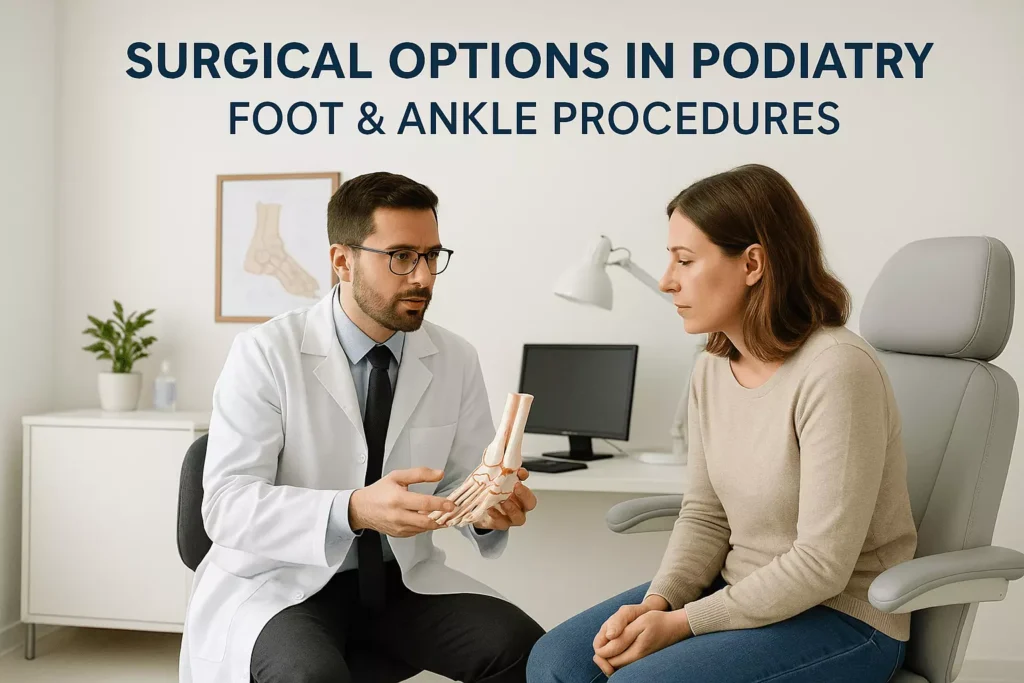
When Surgery Becomes the Right Option
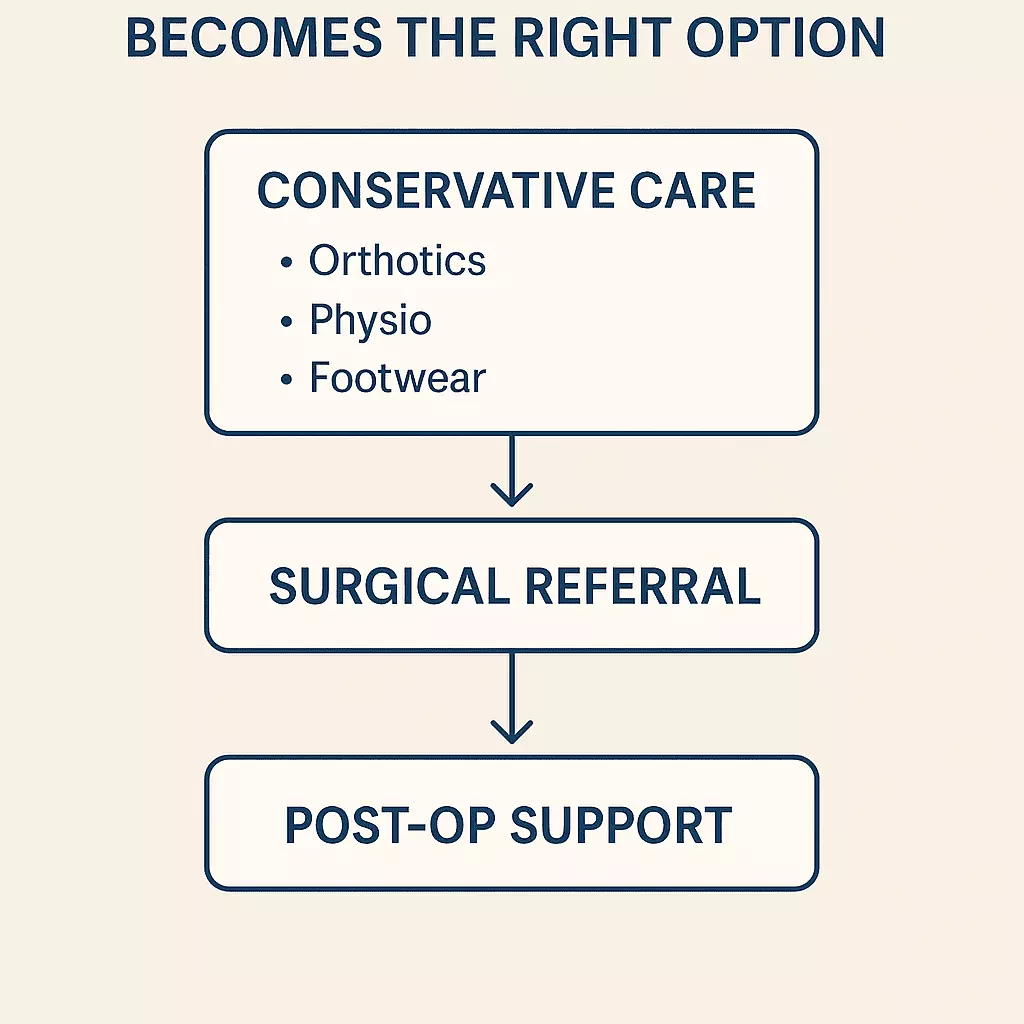
At Freedom Clinics in Canary Wharf, London, our podiatrists consider a surgical referral pathway when foot or ankle problems persist despite comprehensive conservative treatments such as custom orthotics, physiotherapy, footwear modification, and anti-inflammatory medication. While Freedom Clinics does not employ podiatric surgeons or perform complex surgical procedures in-house, our team plays a vital role in identifying when surgery may be needed and referring patients to trusted surgical partners.
We support patients by offering accurate diagnosis, helping them understand their treatment options, and preparing them for what to expect if a surgical procedure is recommended externally. Our clinicians also assist with post-operative care and home-based rehabilitation guidance following procedures performed by external specialists.
Common scenarios where a surgical referral may be warranted include:
- Persistent pain from hallux rigidus, bunions, or neuromas that has not responded to conservative treatments.
- Progressive deformities that impact balance, gait, or comfort.
- Nerve compression symptoms such as tingling, numbness, or burning sensations in the forefoot.
- Recurrent ingrown toenails, in which case we may perform partial or full nail avulsion on-site.
- Chronic heel pain linked to plantar fasciitis that may require surgical release by a specialist.
The decision to refer a patient for surgery depends on symptom severity, lifestyle needs, and long-term prognosis. At Freedom Clinics, we ensure you fully understand your options and are supported through each step of the treatment journey — including preparation, referral, and recovery.
Callout Box – Questions to Ask Before Foot Surgery
- Which surgical procedure is most effective for my diagnosis?
- Can minimally invasive foot surgery shorten my recovery time compared to traditional methods?
- What are the key risks and benefits of this procedure?
- How soon after surgery will I be able to walk comfortably?
- What aftercare, including physiotherapy or custom orthotics, will I require for a successful recovery?
Surgical Options by Foot Region: Overview & Referral Support
Freedom Clinics does not perform complex foot or ankle surgeries, but our podiatrists play a critical role in the surgical care pathway — from accurate diagnosis to surgical referral and post-operative support. Below is a breakdown of common podiatric surgical procedures by foot region. These treatments are typically carried out by surgical specialists, to whom we refer patients when surgery is deemed appropriate.
Forefoot Surgical Procedures
Bunion Surgery (Hallux Valgus Correction)
This surgery corrects big toe misalignment using osteotomy techniques or, in some cases, minimally invasive methods. It aims to reduce pain, restore joint function, and improve gait.
Referral: Freedom Clinics provides assessment, conservative management, and surgical referral where required.
A randomised trial from the Department of Orthopaedics at University of Salzburg found that minimally invasive chevron osteotomy achieves pain reduction and gait restoration outcomes comparable to open procedures, with the added benefit of improved early postoperative satisfaction.
Hammertoe Surgery
Involves straightening curled or bent toes via arthroplasty (joint reshaping) or arthrodesis (joint fusion).
Referral: Based on deformity severity, our podiatrists determine if surgery is needed and refer accordingly.
Hallux Rigidus Surgery
Surgical treatment for arthritis and stiffness in the big toe joint, typically involving cheilectomy (bone spur removal) or joint fusion.
Referral: We provide diagnostics and care plans, referring severe cases to surgical partners.
Midfoot Surgical Procedures
Midfoot surgeries may involve joint stabilisation, ligament reconstruction, or bone fusion to address instability or arthritis.
Referral: Our clinicians evaluate symptoms and provide referrals when non-surgical treatments are no longer effective.
Hindfoot and Heel Surgical Procedures
Plantar Fasciitis Surgery
Endoscopic or open fasciotomy may be used for chronic heel pain unresponsive to other therapies.
Referral: We explore all conservative treatments first and refer for surgery only when clinically justified.
Achilles Tendon Surgery
Includes tendon repair, debridement, or reconstruction for severe injuries.
Referral: If advanced tendon damage is diagnosed, patients are referred to surgical specialists.
Soft Tissue & Nerve Surgeries
Neuroma Surgery
Surgical decompression or removal of the affected nerve (e.g., in Morton’s neuroma) to relieve forefoot nerve pain.
Referral: Following gait analysis and pain assessment, we refer patients for neuroma surgery as needed.
Tendon Release Procedures
Releases scarring or tight tendons to restore motion and improve walking.
Referral: Our team identifies surgical candidates and assists in post-surgical care planning.
Nail Surgery (Performed at Freedom Clinics)
Ingrown Toenail Surgery
We perform partial and full nail avulsions at Freedom Clinics to treat persistent or infected ingrown toenails. When necessary, matrix ablation is used to prevent regrowth.
Performed In-Clinic: This is the only surgical procedure directly carried out by our podiatrists.

Advanced & Minimally Invasive Techniques
At Freedom Clinics in Canary Wharf, London, our podiatrists provide expert diagnosis and guidance for patients who may benefit from advanced or minimally invasive surgical options. While we do not perform complex or minimally invasive surgeries on-site, we work closely with trusted podiatric surgeons who specialise in these techniques.
Our role is to identify when conservative treatments have been exhausted, refer patients to the appropriate surgical specialist, and provide comprehensive post-operative support to aid recovery.
Understanding Minimally Invasive Foot Surgery
Minimally invasive foot surgery refers to a group of modern surgical techniques designed to correct deformities or relieve chronic pain through smaller incisions and less disruption to surrounding tissue. These methods are typically performed by specialist podiatric surgeons and can help reduce scarring, improve recovery time, and minimise post-operative discomfort.
Key benefits include:
- Smaller incisions resulting in reduced scarring and faster healing
- Minimal soft-tissue disruption for lower pain levels after surgery
- Quicker return to work and daily activities
- Lower risk of complications such as infection or delayed wound healing
Common Minimally Invasive Procedures (Performed by Specialist Partners)
Minimally Invasive Bunion Surgery
Corrects hallux valgus deformities using keyhole osteotomy guided by live imaging.
Freedom Clinics provides assessment and referral for suitable cases.
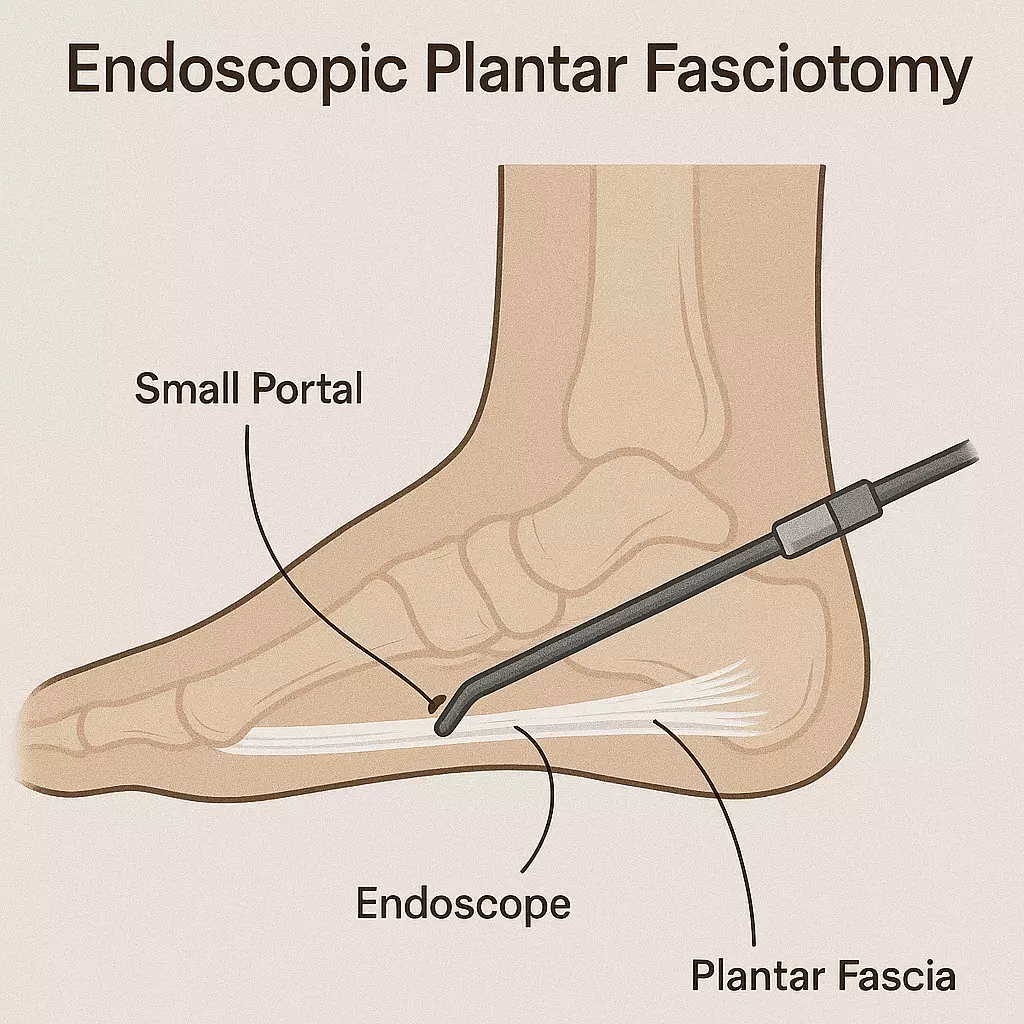
Endoscopic Plantar Fasciotomy
Releases tension in the plantar fascia via a small incision and endoscopic camera for chronic heel pain unresponsive to conservative therapy.
Patients are referred to surgical specialists where indicated.
Percutaneous Hammertoe Correction
Straightens contracted toes through micro-incisions, allowing faster mobility.
Freedom Clinics manages diagnosis, referral, and post-surgery follow-up.
Minimally Invasive Neuroma Decompression
Relieves nerve compression caused by Morton’s neuroma using a keyhole technique.
We coordinate referrals and provide rehabilitation advice after surgery.
Who Can Benefit from Minimally Invasive Techniques?
These procedures may be recommended by surgical partners for patients who:
- Have early to moderate forefoot deformities (e.g. mild hallux valgus)
- Suffer from chronic foot conditions that have not improved with custom orthotics, physiotherapy, or other conservative treatments.
- Require faster recovery due to work or lifestyle demands.
- Prefer reduced scarring and improved cosmetic results.
At Freedom Clinics, every patient receives a detailed podiatric assessment. If minimally invasive foot surgery is appropriate, our clinicians ensure you are referred to a qualified surgical specialist and supported throughout both the pre-operative and recovery phases.
Recovery & Aftercare for Foot Surgery
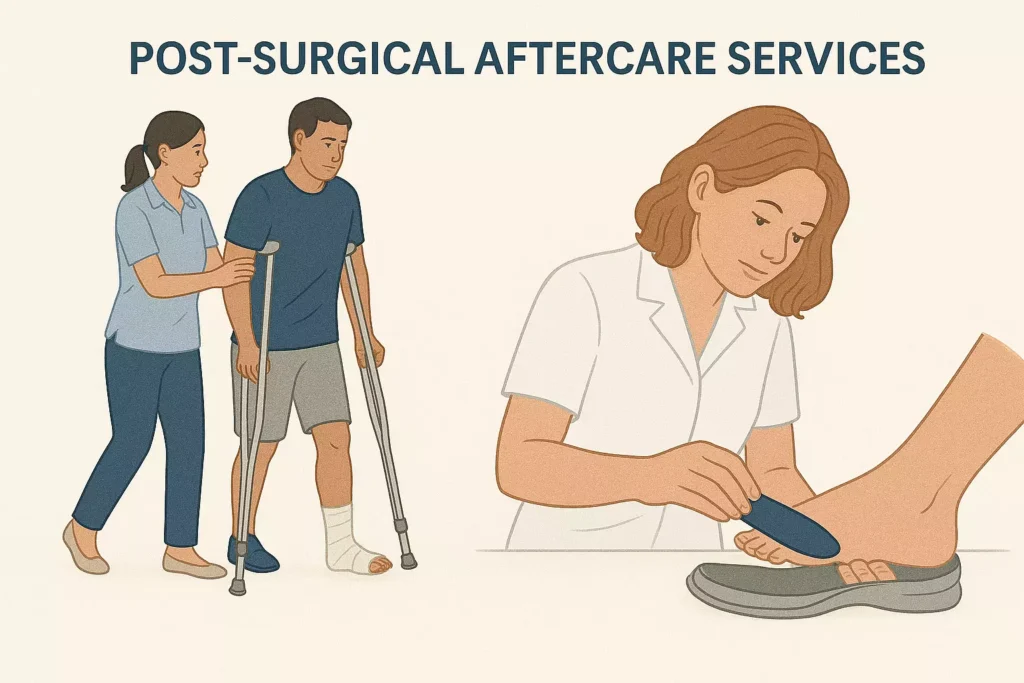
At Freedom Clinics in Canary Wharf, London, we know that the success of any podiatric surgery depends as much on the foot surgery recovery process as it does on the surgical procedure itself. Our expert clinicians design personalised podiatric aftercare plans to help patients regain mobility, reduce pain, and achieve optimal results following both traditional foot surgery and minimally invasive foot surgery.
Typical Recovery Timeline
While recovery times vary based on the type of foot surgery, surgical technique, and individual healing capacity, most patients follow a similar recovery pathway:
- First 48 hours: Rest, elevation, and ice to reduce swelling and promote healing.
- 1–2 weeks: Limited weight-bearing with crutches or a walking boot; wound checks and dressing changes.
- 2–6 weeks: Gradual increase in mobility, transition to supportive footwear, and light exercise.
- 6–12 weeks: Return to most daily activities, structured physiotherapy to restore strength and flexibility.
Patients who undergo minimally invasive foot surgery often experience shorter recovery periods due to reduced tissue trauma.
Post-Surgical Aftercare Services
Our comprehensive podiatric aftercare programme includes:
- Physiotherapy for foot surgery recovery – Targeted exercises to rebuild strength, mobility, and balance.
- Custom orthotics – Designed to support healing structures, improve alignment, and prevent future deformities.
- Wound care after foot surgery – Professional monitoring, dressing changes, and infection prevention.
- Pain management strategies – A combination of medication, cold therapy, and lifestyle adjustments to enhance comfort.
Tips for a Smooth Recovery
- Follow your surgeon’s post-operative instructions exactly.
- Keep the surgical area clean and dry until advised otherwise.
- Use prescribed mobility aids to prevent strain on healing tissues.
- Attend all scheduled follow-up appointments to track progress and adjust your care plan.
When to Contact Your Surgeon
Seek immediate medical advice if you experience:
- Persistent or worsening pain not relieved by medication.
- Redness, swelling, heat, or discharge from the surgical site.
- Sudden changes in sensation, such as numbness or tingling.
For post-operative alignment support and mobility retraining, see our detailed gait and biomechanics assessment.
Risks, Complications & How We Minimise Them
At Freedom Clinics in Canary Wharf, London, patient safety is at the core of every procedure we perform. We believe in complete transparency when it comes to the risks of foot surgery and the potential complications of podiatric surgery — whether you are undergoing a traditional surgical procedure or opting for a minimally invasive foot surgery. While these treatments are generally safe and effective, understanding the possible outcomes empowers patients to take an active role in their recovery and follow the right aftercare protocols.
Common Risks Associated with Foot Surgery
- Infection after foot surgery – Rare but possible; our strict sterile protocols and detailed wound care instructions keep infection risk minimal.
- Post-operative swelling and bruising – A common early-stage response, typically resolved with rest, elevation, and cold therapy.
- Delayed healing – More likely in patients with underlying conditions such as diabetes or vascular disease; addressed with tailored aftercare plans.
- Nerve injury after surgery – Often temporary, with sensation usually returning during the recovery period.
- Recurrence of deformity – For example, bunion regrowth if underlying biomechanical factors aren’t corrected.
- Blood clot (deep vein thrombosis) – A low-probability but serious risk, mitigated with preventive measures and early mobilisation strategies.
According to research from the American College of Surgeons, enhancing baseline fitness through prehabilitation—such as increased daily physical activity—can reduce the risk of postoperative complications like deep vein thrombosis by over 50%.
Our Preventive Measures
At Freedom Clinics in Canary Wharf, London, patient safety and long-term outcomes are our top priorities. While complex surgical procedures are performed by our trusted external partners, our podiatrists follow a multi-layered care approach designed to reduce risks, enhance recovery, and promote optimal results before and after surgery.
Our safety and support framework includes:
- Pre-Referral Assessment – A detailed podiatric and medical evaluation to identify personal risk factors before referring a patient for surgery.
- Partnered Surgical Care – We refer patients to podiatric surgeons who use advanced and minimally invasive surgical techniques — procedures that typically involve smaller incisions, faster healing, and reduced infection risk.
- Collaborative Monitoring – Continuous communication with surgical providers to ensure precision and alignment in the treatment pathway, from diagnosis to follow-up.
- Post-Operative Monitoring – Regular reviews at Freedom Clinics following surgery to detect and manage early signs of complications, ensuring safe recovery.
- Custom Orthotics and Physiotherapy – Provided post-surgery to optimise biomechanics, prevent recurrence, and support complete functional rehabilitation.
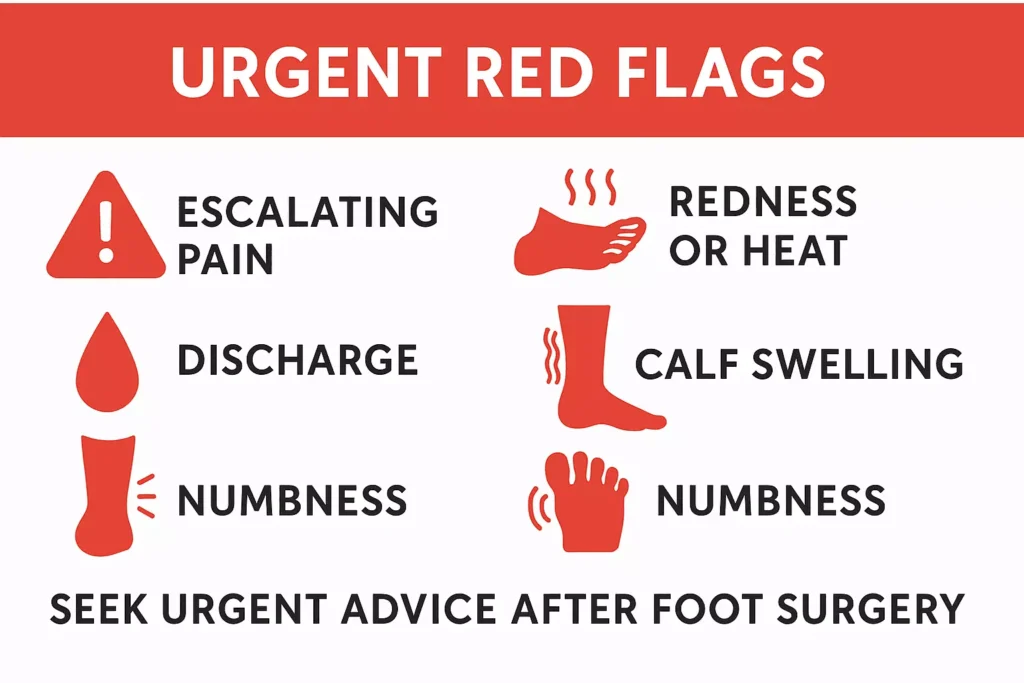
When to Seek Urgent Medical Advice
If you have undergone surgery through one of our referral partners, contact your surgeon or Freedom Clinics immediately if you experience any of the following:
- Persistent or worsening pain unrelieved by medication.
- Redness, heat, or discharge from the surgical site.
- Sudden swelling in the calf or foot, which could indicate a blood clot.
- Loss of movement or sensation in the operated foot.
Our team is available to provide post-operative guidance, assess complications, and ensure you receive the appropriate medical support without delay.
For wider context on conservative management and clinical pathways, explore our podiatry and chiropody care hub.
Why Choose Freedom Clinics for Your Podiatric Surgical Pathway
Choosing the right clinical team for your podiatric surgery journey is essential to achieving lasting results. At Freedom Clinics in Canary Wharf, London, our podiatrists provide expert diagnosis, conservative management, and coordinated referral to trusted HCPC‑registered podiatric surgeons when surgical treatment is required. We also deliver comprehensive pre‑ and post‑operative support to ensure a seamless and safe experience from initial consultation through full recovery.
Expert Podiatrists and Trusted Surgical Partnerships
Our podiatrists are highly experienced in assessing and managing complex foot and ankle conditions — including hallux valgus (bunions), plantar fasciitis, Morton’s neuroma, hammertoes, and chronic heel pain.
When surgical intervention is necessary, we refer patients to carefully selected surgical partners who specialise in both traditional and minimally invasive procedures. This collaborative model ensures that every patient benefits from specialist care while maintaining continuity and support within the Freedom Clinics network.
Comprehensive Patient Support
Freedom Clinics provides end‑to‑end clinical care before and after surgery, including:
- Detailed pre‑referral assessments to determine surgical suitability and identify any personal risk factors.
- Coordinated referrals to HCPC‑registered podiatric surgeons for procedures such as bunion correction, neuroma decompression, and plantar fascia release.
- Post‑operative aftercare — including physiotherapy, wound care, and custom orthotics — to enhance recovery and prevent recurrence.
This integrated approach ensures that patients are supported at every stage of their treatment journey.
Advanced Diagnostic Facilities
Our Canary Wharf clinic is equipped with advanced diagnostic imaging systems and gait‑analysis technology, allowing our clinicians to provide precise assessments and evidence‑based treatment planning. By combining accurate diagnosis with close collaboration with surgical partners, we ensure that each patient receives the most appropriate and effective care for their condition.
Patient-Centred Approach
At Freedom Clinics, we believe in shared decision‑making. Your symptoms, lifestyle, and goals form the foundation of every treatment plan. We make sure you fully understand the available options — from conservative therapies to potential surgical pathways — along with their respective benefits, risks, and recovery expectations.
Local Accessibility & Convenience
Located within the Canada Place Shopping Mall, just steps from Canary Wharf station, Freedom Clinics offers flexible appointment times and accessible care for patients across London and surrounding areas. Whether you require podiatric assessment, referral guidance, or post‑surgical rehabilitation, our clinic provides convenient access to comprehensive foot and ankle care.
For a structured overview of surgical pathways and procedure guides, visit our foot surgery overview hub.
Booking & Consultation Information
At Freedom Clinics in Canary Wharf, London, arranging your podiatry consultation is quick and straightforward. Whether you’re seeking an assessment for potential bunion surgery, evaluation for plantar fasciitis, or a comprehensive foot and ankle review, our HCPC‑registered podiatrists provide expert guidance from your very first visit — including referral to trusted surgical partners when required.
How to Book Your Consultation
- Call us on 0203 197 9100 for immediate scheduling with our patient care team.
- Email us at canarywharf@freedomclinics.com to request an appointment or ask pre-booking questions.
- Book online via our secure booking system for convenience.
- Visit us in person at Canada Place Shopping Mall, 34 North Colonnade, Canary Wharf, London E14 5HX to arrange your consultation directly.
What to Expect at Your First Appointment
Your consultation will include:
- A comprehensive foot and ankle assessment by an HCPC‑registered podiatrist.
- A review of your medical history, prior imaging, and any previous treatments.
- A detailed discussion of both surgical and non‑surgical treatment options, including referral pathways, potential risks, recovery timelines, and aftercare plans.
- Time to ask questions so you can make informed, confident decisions about your next steps.
Flexible Scheduling Options
We offer appointment times designed to suit your lifestyle:
- Early morning and evening consultations Monday–Friday.
- Weekend availability for both initial appointments and follow-ups.
- Same-week podiatry appointments for urgent assessments where early intervention is beneficial.
Why Book with Freedom Clinics
When you choose Freedom Clinics Canary Wharf for your podiatry consultation in London, you benefit from:
- Specialist expertise in conditions such as hallux valgus, Morton’s neuroma, plantar fasciitis, and other forefoot and ankle issues
- Advanced diagnostic imaging and assessment tools available on‑site
- Personalised treatment pathways, which may include conservative care, referral to podiatric surgeons, and post‑surgical physiotherapy or orthotics
- A central London location with excellent public transport links, including Canary Wharf station on the Jubilee and Elizabeth lines
If your concern is nail-related, learn more about our ingrown toenail treatment options before booking.
Aftercare & Long-Term Foot Health
At Freedom Clinics in Canary Wharf, London, our care doesn’t stop when your surgery is complete. We provide structured podiatric surgery aftercare and proactive long-term foot health management to ensure a smooth recovery, reduce the risk of complications, and preserve your surgical results for years to come. Our integrated approach combines expert wound care, targeted post-surgical rehabilitation, and preventive strategies tailored to your specific needs.
Immediate Post-Surgical Care
In the first few days after your procedure, we guide you through:
- Wound care after foot surgery to prevent infection and promote healthy healing.
- Pain management with a personalised plan using prescribed medication, cold therapy, and rest techniques.
- Mobility guidance, including safe weight-bearing progression and the use of protective footwear, walking boots, or crutches.
Rehabilitation & Recovery
Our post-surgical rehabilitation programmes are customised to your procedure type:
- Post-operative physiotherapy to restore flexibility, strength, and correct gait mechanics.
- Custom orthotics to support proper biomechanics and prevent recurrence of conditions such as hallux valgus.
- Progressive exercise plans to help you return safely to daily activities, sports, and work.
Long-Term Foot Health Maintenance
To protect your results and prevent future problems, we recommend:
- Regular podiatric check-ups to monitor alignment, function, and footwear performance.
- Continued use of supportive footwear or orthotics where needed.
- Preventive foot care strategies for patients with diabetes or circulatory disorders to minimise long-term risks.
Why Aftercare Matters
Comprehensive podiatric surgery aftercare reduces the likelihood of complications such as infection, delayed healing, and recurrence of deformity, while optimising functional outcomes. Our patient-first philosophy ensures you have professional support from your initial consultation through every recovery milestone, giving you confidence and peace of mind at every stage.
For guidance on recognising when foot surgery is needed, review our dedicated resource.
Summary
At Freedom Clinics in Canary Wharf, London, we support patients through every stage of their podiatric surgical journey — from expert diagnosis and referral to post-operative rehabilitation and long-term foot health maintenance. While we do not perform surgical procedures on-site, our HCPC-registered podiatrists work closely with trusted surgical partners to ensure you receive the highest standard of care.
Whether you’re managing a bunion, plantar fasciitis, Morton’s neuroma, or another chronic foot condition, our team offers advanced diagnostic imaging, custom orthotics, and targeted recovery programmes to help restore your comfort, mobility, and confidence.
Your Next Step Towards Better Foot Health
If you’re experiencing foot pain, reduced mobility, or a persistent condition, now is the time to take action. Book your podiatry consultation in London today to explore treatment and referral options tailored to your needs and goals.
Booking is simple:
- Call us on 0203 197 9100 to speak directly with our reception team.
- Email us at canarywharf@freedomclinics.com for appointment requests and enquiries.
- Book online via our secure booking system.
- Visit us at Canada Place Shopping Mall, 34 North Colonnade, Canary Wharf, London E14 5HX to arrange your consultation in person.
Why Choose Freedom Clinics
- Expert diagnostic care from HCPC-registered podiatrists
- Comprehensive treatment pathways, including assessment, surgical referral, and post-operative support
- Partnership access to minimally invasive surgical options through trusted providers
- Central London location with excellent transport links via Canary Wharf station
- Flexible scheduling, including evening and weekend appointments
For further details on procedures and recovery, read our bunion surgery overview.

Our Podiatrists & Chiropodists


References
- Kaufmann, G., Dammerer, D., Heyenbrock, F., Braito, M., Moertlbauer, L., & Liebensteiner, M. (2019). Minimally invasive versus open chevron osteotomy for hallux valgus correction: A randomised controlled trial. International Orthopaedics, 43, 343–350. https://doi.org/10.1007/s00264-018-4006-8
- Gehl, C., et al. (2023). Walking at least 7,500 steps per day before surgery reduces postoperative complications by approximately 51%. Health.com (reported at ACS Clinical Congress). https://www.health.com/7500-daily-steps-cuts-surgery-complication-risks-8380440

