
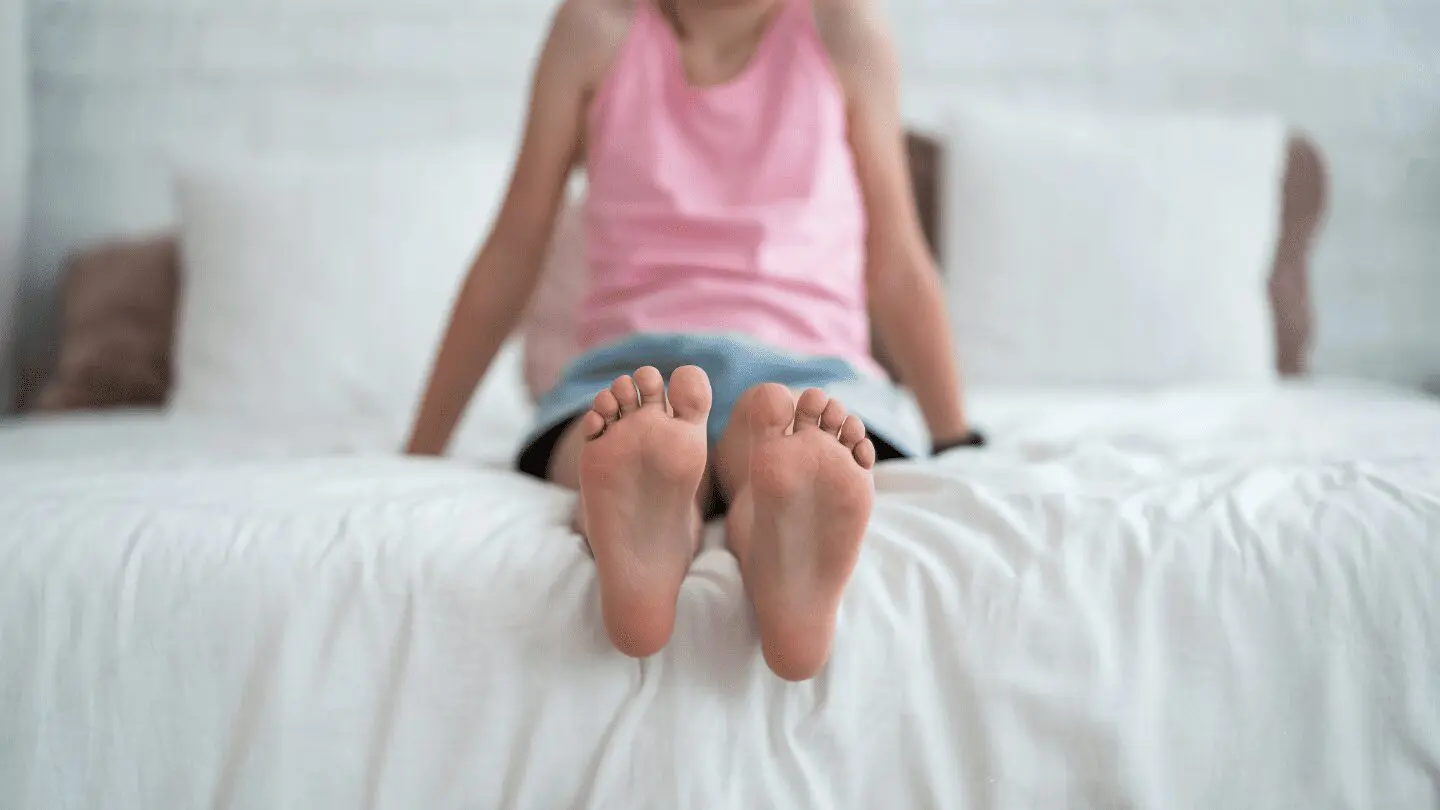
Traction apophysitis, commonly known as Sever’s disease, is a condition affecting the growth plate in the heel of children and adolescents. It is particularly common in active children between the ages of 8 and 15, who engage in sports or activities that involve running, jumping, or other high-impact motions. Sever’s disease is one of the most common causes of heel pain in young athletes, and although it is temporary, it can interfere with daily activities and sports participation. At Freedom Clinics, we offer insights into the causes, symptoms, and effective treatment options for managing Sever’s disease.
What is Sever’s Disease?
Sever’s disease is an overuse injury resulting from inflammation of the growth plate in the heel (calcaneus). Growth plates are areas of developing cartilage at the ends of long bones, and they are particularly vulnerable to stress and injury during periods of rapid growth. In Sever’s disease, repetitive stress, and tension on the Achilles tendon, which attaches the calf muscles to the heel, cause irritation and pain in the heel’s growth plate.
Causes of Sever’s Disease
Sever’s disease typically develops due to repetitive strain on the heel, especially during periods of growth spurts. Common causes and contributing factors include:
- High-Impact Activities: Sports like running, soccer, basketball, and gymnastics can place repetitive stress on the heel, leading to inflammation and pain.
- Rapid Growth Spurts: During growth spurts, bones can grow faster than muscles and tendons, leading to tightness and pulling on the heel bone’s growth plate.
- Excessive Weight and Poor Foot Biomechanics: Excess weight can put extra pressure on the heels, increasing the risk of Sever’s disease. Additionally, biomechanical issues such as flat feet, high arches, or overpronation can also increase stress on the heel.
- Tight Calf Muscles or Achilles Tendon: Tightness in the calf muscles or Achilles tendon can increase tension on the heel, particularly during activities that involve running or jumping.
- Inadequate Footwear: Wearing shoes that lack proper support or shock absorption, especially during physical activities, can exacerbate symptoms of Sever’s disease.
Symptoms of Sever’s Disease
The symptoms of Sever’s disease can vary but typically include:
- Heel Pain: Pain is usually felt at the back or bottom of the heel and may be sharp or aching. It often worsens during or after physical activity and may improve with rest.
- Tenderness and Swelling: The heel may feel tender to the touch, and mild swelling may occur around the affected area.
- Difficulty Walking: Severe pain can lead to limping, favouring the unaffected leg, or walking on tiptoes to avoid putting pressure on the heel.
- Stiffness in the Heel and Calf: Some individuals may experience stiffness in the heel or tightness in the calf muscles, particularly after periods of inactivity.
Diagnosing Sever’s Disease
A healthcare provider can diagnose Sever’s disease based on:
- Medical History and Physical Examination: Information about recent physical activities, growth patterns, and symptoms will be reviewed. A physical examination will typically include palpation of the heel and ankle, as well as a range of motion tests.
- Imaging Studies: Although imaging is not always necessary, an X-ray may be used to rule out other causes of heel pain, such as fractures or infections.
Treatment Options for Sever’s Disease
Treatment for Sever’s disease focuses on managing pain, reducing inflammation, and allowing the heel’s growth plate to heal. Conservative, non-surgical methods are typically effective, and recovery can take a few weeks to several months.
Rest and Activity Modification
The most important aspect of treatment is to reduce or eliminate activities that aggravate the condition. Avoiding high-impact sports and activities until symptoms subside can prevent further irritation to the heel.
Physiotherapy
Physiotherapy can be very effective in managing Sever’s disease by focusing on stretching, strengthening, and improving flexibility in the lower leg muscles. A physiotherapist may incorporate:
- Stretching Exercises: Gentle stretching of the calf muscles and Achilles tendon can help relieve tension on the heel. Stretching exercises should be done regularly, especially after activities.
- Strengthening Exercises: Exercises targeting the calf muscles, hamstrings, and other lower leg muscles can improve stability and support the heel, reducing stress on the growth plate.
- Ice Therapy: Applying ice packs to the heel after activity can help reduce inflammation and alleviate pain.
Custom Orthotics
Custom-made orthotics or shoe inserts can provide additional support and cushioning for the heel, helping to absorb impact and reduce pressure on the heel’s growth plate. Orthotics are especially beneficial for children with flat feet or other biomechanical issues.
Osteopathy
Osteopathy involves hands-on techniques to relieve tension and improve overall alignment. Osteopaths may focus on the muscles and joints in the lower leg, using gentle massage and stretching techniques to improve flexibility and reduce strain on the heel.
Acupuncture
Acupuncture is a complementary therapy that can aid in reducing pain and inflammation. By targeting specific points in the body, acupuncture may alleviate heel pain and improve blood flow to the affected area, promoting healing.
Shockwave Therapy
Shockwave therapy uses sound waves to stimulate tissue repair and reduce pain. This non-invasive treatment may be used for persistent cases of Sever’s disease, as it can help improve blood circulation and accelerate the healing process.
Sports & Exercise Medicine (SEM) Doctors
SEM doctors specialise in musculoskeletal conditions and can offer tailored advice for managing Sever’s disease. They may recommend specific exercises, activity modifications, or even injections in severe cases. However, injections are generally not common for treating Sever’s disease in children.
Chiropractic Care
Chiropractors can help by addressing any misalignments in the lower extremities that may be contributing to heel pain. Chiropractic adjustments can improve overall leg and foot alignment, potentially reducing strain on the Achilles tendon and heel.
Medications
Over-the-counter pain relievers, such as ibuprofen or paracetamol, can help manage pain and reduce inflammation. However, long-term use of these medications is not generally recommended.
Long-Term Management and Prevention
Since Sever’s disease can recur, especially during periods of growth, implementing the following preventive measures is essential:
- Warm Up and Stretch: Encourage children to warm up and stretch their calf muscles and Achilles tendons before and after activities to prevent tightness and strain on the heel.
- Use Proper Footwear: Wearing supportive shoes with good shock absorption can help reduce pressure on the heel and provide adequate support during physical activities.
- Gradual Progression in Activities: Gradually increasing the intensity and duration of physical activities can help prevent overuse injuries. Avoid sudden increases in sports training or other high-impact activities.
- Strengthening and Conditioning: Regularly strengthening the muscles of the lower leg can help support the heel and reduce the risk of strain on the growth plate.
- Maintain a Healthy Weight: Ensuring a healthy body weight can reduce stress on the feet and lower extremities, particularly during high-impact activities.
Conclusion
Sever’s disease can be a painful and frustrating condition for active children, but with the right approach to treatment and prevention, it is manageable. At Freedom Clinics, we offer a range of therapies, including physiotherapy, osteopathy, acupuncture, and shockwave therapy, to help alleviate the symptoms of Sever’s disease and promote a healthy recovery. With a tailored treatment plan and preventive measures, children can get back to their favourite activities pain-free and maintain an active lifestyle as they continue to grow.

