
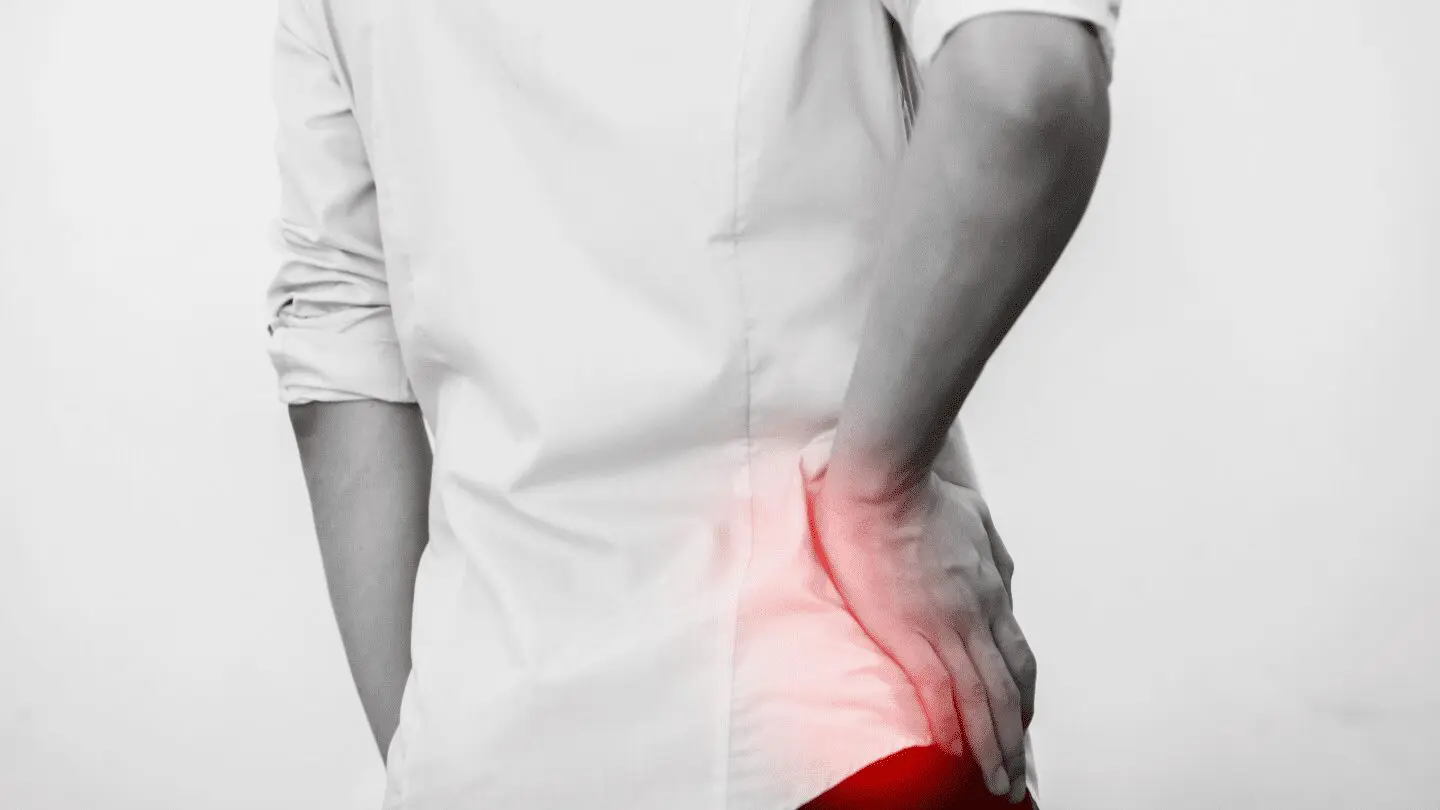
Femoral acetabular impingement (FAI) is a condition where extra bone grows along one or both of the bones that form the hip joint, giving the bones an irregular shape. Because they do not fit together perfectly, the bones rub against each other during movement, causing damage to the joint. At Freedom Clinics, we aim to provide comprehensive information about FAI to help you recognize the symptoms and explore effective treatment options.
What is Femoral Acetabular Impingement?
FAI occurs when there is abnormal contact between the femoral head and the acetabulum (the socket of the hip). There are three types of FAI:
- Cam Impingement: An irregularly shaped femoral head that does not rotate smoothly inside the acetabulum.
- Pincer Impingement: Excessive coverage of the femoral head by the acetabulum.
- Combined Impingement: A combination of both cam and pincer types.
Causes of Femoral Acetabular Impingement
Several factors can contribute to the development of FAI:
- Genetics: Some individuals are born with bone shapes that are more likely to develop into FAI.
- Repetitive Motions: High-impact activities and sports that involve repetitive hip movements can lead to FAI over time.
- Growth Abnormalities: Abnormal bone development during childhood or adolescence can result in FAI.
Symptoms of Femoral Acetabular Impingement
Recognising the symptoms of FAI is crucial for early diagnosis and treatment. Common symptoms include:
- Hip Pain: Pain in the groin area or the outside of the hip, which can worsen with activity.
- Stiffness: Reduced range of motion in the hip joint.
- Clicking or Locking Sensation: A sensation of catching or locking during hip movements.
- Pain After Prolonged Sitting: Discomfort after sitting for extended periods or during activities like walking or running.
Diagnosis of Femoral Acetabular Impingement
Diagnosing FAI typically involves a combination of medical history, physical examination, and imaging tests:
Physical Examination: The doctor will assess the hip’s range of motion, pain points, and any signs of impingement.
X-rays: To visualize the bone structures and identify abnormal bone shapes.
MRI Scans: To provide detailed images of both bone and soft tissues, helping to assess the extent of cartilage damage and other soft tissue injuries.
CT Scans: In some cases, CT scans may be used for a more detailed view of the bone structure.
Treatment Options for Femoral Acetabular Impingement
The treatment of FAI depends on the severity of the condition and the patient’s lifestyle. Treatment options include:
Conservative Treatment:
- Activity Modification: Avoiding activities that exacerbate symptoms to reduce hip joint stress.
- Physiotherapy: Exercises to strengthen the muscles around the hip and improve range of motion.
- Medications: Over-the-counter pain relievers, such as ibuprofen or acetaminophen, can help manage pain and inflammation.
- Injections: Corticosteroid injections can provide temporary pain relief and reduce inflammation.
Surgical Treatment: In cases where conservative treatments fail to provide relief, surgery may be necessary. Surgical options include:
- Arthroscopy: A minimally invasive procedure where a small camera and instruments are inserted into the hip joint to remove or repair damaged tissue.
- Open Surgery: In more severe cases, open surgery may be required to reshape the bones and repair any damage.
Recovery and Outlook
The recovery time for FAI varies depending on the severity of the condition and the chosen treatment method. Conservative treatments may take several months for significant improvement, while surgical recovery can take several months to a year. Adhering to post-treatment care and rehabilitation is crucial for optimal recovery and to minimize the risk of long-term joint problems.
Conclusion
Femoral acetabular impingement is a manageable condition with the right treatment approach. At Freedom Clinics, we are dedicated to helping you find relief from your symptoms and improve your quality of life. If you suspect you have FAI, seek medical advice to explore the best treatment options for you.

