
Introduction
Greater Trochanteric Pain Syndrome (GTPS) is a common musculoskeletal condition characterized by pain and tenderness over the greater trochanteric region of the hip. It affects individuals of varying ages and activity levels, often interfering with daily activities and mobility. In this article, we will delve into the intricacies of Greater Trochanteric Pain Syndrome, exploring its causes, symptoms, and effective treatments.
Understanding Greater Trochanteric Pain Syndrome (GTPS)
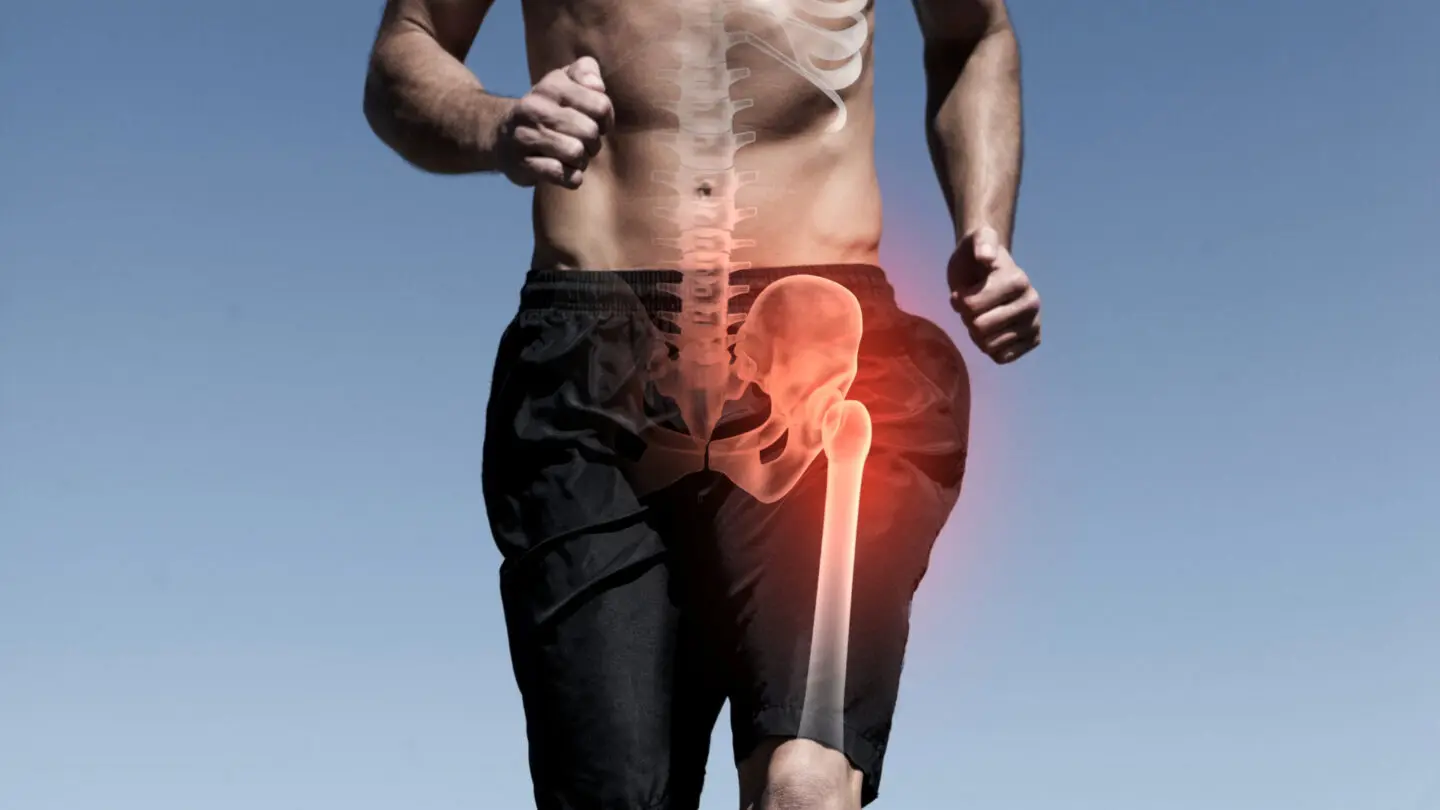
GTPS primarily involves the tendons and bursae around the greater trochanter, which is the bony prominence located on the outer side of the hip. The condition encompasses various pathologies, including trochanteric bursitis, gluteal tendinopathy, and external snapping hip syndrome. GTPS typically arises due to repetitive stress, overuse, biomechanical abnormalities, or sudden increases in physical activity.
Symptoms of Greater Trochanteric Pain Syndrome (GTPS):
Patients with GTPS often experience the following symptoms:
- Pain and tenderness over the lateral aspect of the hip, which may radiate down the thigh or buttock.
- Discomfort while walking, climbing stairs, or engaging in activities that involve hip movement.
- Tenderness and swelling around the greater trochanteric region.
- Stiffness and limited range of motion in the hip joint.
- Pain worsens with prolonged standing, walking, or lying on the affected side.
Effective Treatments for Greater Trochanteric Pain Syndrome (GTPS):
- Physiotherapy and Exercise: A tailored physiotherapy program focusing on strengthening the hip abductors, improving flexibility, and correcting biomechanical imbalances can alleviate symptoms of GTPS. Exercises targeting the gluteal muscles, iliotibial band, and hip stabilizers help stabilize the hip joint and reduce pain.
- Activity Modification: Patients are advised to avoid activities that exacerbate hip pain, such as prolonged standing, walking on uneven surfaces, or engaging in high-impact exercises. Modifying movement patterns and using proper body mechanics can alleviate strain on the affected tissues.
- Orthotic Devices: Shoe inserts or orthotic devices may be recommended to correct biomechanical imbalances and reduce pressure on the hip joint during weight-bearing activities.
- Non-Steroidal Anti-Inflammatory Drugs (NSAIDs): Over-the-counter medications such as ibuprofen or naproxen can help alleviate pain and inflammation associated with GTPS. However, prolonged use should be monitored to prevent adverse effects.
- Corticosteroid Injections: In cases where conservative measures fail to provide relief, corticosteroid injections may be administered into the trochanteric bursa or around the gluteal tendons to reduce pain and inflammation.
- Extracorporeal Shockwave Therapy (ESWT): ESWT involves the application of high-energy shockwaves to the affected area, promoting tissue healing and pain reduction. This non-invasive treatment option has shown promising results in managing chronic GTPS.
- Surgery: In rare cases where conservative treatments prove ineffective, surgical intervention may be considered to address structural abnormalities or repair damaged tissues contributing to GTPS.
Conclusion
Greater Trochanteric Pain Syndrome can significantly impact an individual’s quality of life, causing persistent hip pain and dysfunction. However, with proper diagnosis and comprehensive treatment strategies, patients can experience significant improvements in pain and function. At Freedom Clinics, we specialize in providing premium musculoskeletal services tailored to meet the unique needs of each patient. Our team of experts is dedicated to helping individuals overcome GTPS and regain optimal musculoskeletal health.

