
What Is Heel Pain in the Morning?
Morning heel pain—most commonly caused by plantar fasciitis—is a sharp, stabbing sensation at the base of the heel that occurs when you take your first steps after waking up or sitting for an extended period. This specific presentation of heel pain is a leading reason patients seek evaluation by a podiatrist.
The underlying issue typically involves the plantar fascia, a thick band of connective tissue that stretches from the heel bone to the base of the toes. Its role in supporting the foot arch makes it susceptible to microtears and inflammation, especially after periods of rest. When inflamed, any sudden stretching—such as standing or walking—can trigger intense pain.
Individuals with flat feet, high arches, or tight calf muscles are particularly prone to developing morning heel pain due to increased tension placed on the plantar fascia during daily activities and rest cycles.
At Freedom Clinics in Canary Wharf, our experienced podiatrists specialise in diagnosing this condition using comprehensive gait analysis and biomechanical assessments. This helps us identify anatomical contributors like overpronation, arch collapse, or muscle imbalances, allowing for highly personalised treatment strategies.
Understanding the cause of heel pain is essential—not only for effective symptom relief but also for preventing recurrence. Addressing biomechanical factors with orthotics, structured stretching routines, and clinical intervention ensures both immediate and long-term foot health.
Medically reviewed by: Dr Priya Anand DPM. Last update: 18th May 2026
Book your appointment
Common Medical Causes of Morning Heel Pain
Heel pain in the morning is a symptom that often reflects deeper biomechanical or inflammatory issues in the foot. Understanding these medical causes is critical for proper diagnosis and treatment by a qualified podiatrist.
Plantar Fasciitis: The Leading Cause of Morning Heel Pain
Plantar fasciitis is the most common condition responsible for first-step heel pain. It involves inflammation of the plantar fascia, the ligament that spans the bottom of the foot and supports the arch. During sleep or prolonged sitting, this tissue contracts. When you stand, the sudden stretch on an already inflamed fascia produces sharp discomfort.
A review by OrthoInfo at the American Academy of Orthopaedic Surgeons lists flat feet, high arches, and tight calf muscles as biomechanical risk factors that increase stress on the plantar fascia and predispose individuals to plantar fasciitis. Left untreated, plantar fasciitis can become chronic and debilitating.
Heel Spurs and Their Role in Morning Discomfort
Heel spurs are bony outgrowths that form where the plantar fascia attaches to the heel bone. While they don’t always cause symptoms, they frequently coexist with plantar fasciitis and can exacerbate early-morning heel pain by increasing localised pressure on inflamed tissues.
FAQ Alignment: “Are heel spurs and plantar fasciitis the same?”
Answer: No. Heel spurs are structural changes; plantar fasciitis is a soft tissue inflammation. However, they often appear together and influence each other’s severity.
Achilles Tendinitis: Posterior Heel Pain Upon Waking
Achilles tendinitis is the inflammation of the Achilles tendon, which connects the calf muscles to the back of the heel. Tight calves and overuse from running or walking can lead to stiffness and pain—particularly felt during the transition from rest to activity. Though the pain is typically located at the back of the heel, it can mimic or accompany plantar-related symptoms.
Structural Risk Factors: Flat Feet, High Arches, and Calf Tightness
Poor foot biomechanics are often underlying contributors to morning heel pain:
- Flat feet cause overpronation, placing excessive tension on the plantar fascia.
- High arches reduce shock absorption, leading to compensatory stress injuries.
- Tight calf muscles restrict ankle motion, increasing the load on the fascia and Achilles tendon.
All of these conditions are best assessed through gait analysis and biomechanical evaluation by a podiatrist.
External Stressors: Overuse and Inadequate Footwear
Frequent high-impact activity (e.g. running on hard surfaces) or prolonged standing without adequate support can overload foot structures. Worn-out or unsupportive footwear lacking proper heel or arch cushioning increases susceptibility to plantar fasciitis and heel spurs.
Who Gets Morning Heel Pain?
Morning heel pain doesn’t affect everyone equally. It commonly appears in individuals with specific biomechanical traits, lifestyle patterns, or underlying foot conditions that place undue stress on the plantar fascia. Understanding who is most at risk enables podiatrists at Freedom Clinics Canary Wharf to deliver targeted interventions.
Age, Activity, and Impact Sports
Adults between the ages of 30 and 60 are most likely to experience plantar fasciitis-induced heel pain. Activities like running, jumping sports, or sudden increases in physical activity strain the foot arch, especially when calf flexibility is compromised.
Foot Structure: Flat Feet and High Arches
Flat feet and high arches both disrupt normal weight distribution across the foot:
- Flat feet cause overpronation, leading to excessive pulling on the plantar fascia.
- High arches reduce shock absorption, overloading the heel and forefoot.
Both profiles are linked to increased cases of first-step heel pain, especially when combined with poor footwear.
Calf Tightness and Achilles Strain
Tight gastrocnemius and soleus muscles reduce ankle flexibility, which in turn pulls on the Achilles tendon and the plantar fascia. This tension often manifests as stiffness and pain upon rising from bed or a seated position.
Excess Weight and Plantar Fascia Pressure
A matched case‑control study published in Foot & Ankle International found obesity (BMI > 30 kg/m²) significantly increases the risk of plantar fasciitis by subjecting heel and arch structures to greater load, predisposing the plantar fascia to microtears and inflammation. This risk intensifies if combined with limited physical activity or inadequate foot support.
Occupational Risks and Long Standing Periods
Professionals who stand for long durations—such as teachers, healthcare workers, and retail staff—exert constant strain on the heel. When rest periods are followed by activity, the tight and inflamed fascia reacts with sudden heel pain.
Footwear Deficiencies and Lack of Support
- Worn-out shoes lacking heel or arch support
- Flat soles or minimalist designs without cushioning
- High heels that tighten the calf and overload the forefoot
All of these footwear choices exacerbate biomechanical imbalances, increasing risk for plantar fasciitis and Achilles strain.
How Podiatrists Diagnose Morning Heel Pain
Diagnosing morning heel pain requires a structured, multi-step approach. At Freedom Clinics Canary Wharf, our expert podiatrists combine biomechanical analysis, manual testing, and, when necessary, diagnostic imaging to identify underlying causes like plantar fasciitis, heel spurs, or Achilles tendonitis.
Medical History and Symptom Patterning
The diagnostic process begins with an in-depth discussion to map:
- Timing and intensity of heel pain (e.g., pain with first steps in the morning)
- Specific pain locations (under the heel, rear heel, or arch)
- Contributing factors like activity, footwear, and recent weight changes
This evaluation helps differentiate between plantar fasciitis, nerve entrapment, bursitis, or calcaneal stress fractures.
Gait and Biomechanical Stress Testing
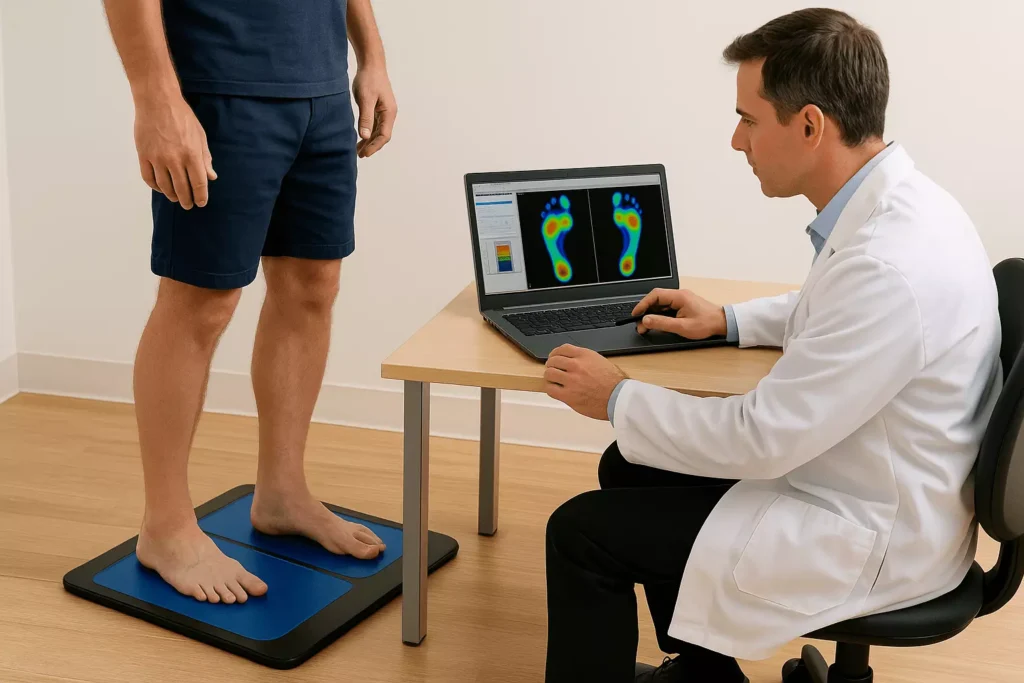
Podiatrists use video gait analysis and pressure-sensing plates to identify:
- Overpronation linked to flat feet
- Underpronation linked to high arches
- Asymmetrical weight distribution and arch collapse
- Compensation patterns through the hip, knee, and ankle
This information reveals structural causes of strain on the plantar fascia, Achilles tendon, and heel bone.
Plantar Fascia and Heel Palpation
Manual testing is key to confirming plantar fasciitis:
- The podiatrist applies pressure to the medial calcaneal tubercle (heel base)
- Sharp, localised pain indicates fascia inflammation
- Additional checks rule out retrocalcaneal bursitis or nerve impingement
This test is a primary indicator used to confirm fascia-related heel pain in the morning.
Range of Motion and Tendon Mobility Evaluation
Podiatrists assess:
- Ankle dorsiflexion and plantarflexion range
- Calf muscle tightness and Achilles tendon flexibility
- Toe extension strength and arch integrity
Restricted movement or weakness in these areas increases stress on the plantar fascia, reinforcing morning pain onset.
Diagnostic Imaging for Plantar Fasciitis and Spurs
If symptoms persist or clinical findings are inconclusive, imaging supports diagnosis:
- Ultrasound: Identifies thickening, tears, and inflammation in the plantar fascia
- X-ray: Reveals heel spurs, bone degeneration, or calcaneal abnormalities
- MRI (rare): Used for deep tissue conditions or suspected tarsal tunnel syndrome
Podiatrist Treatments for Morning Heel Pain
Treating morning heel pain effectively requires a combination of biomechanical correction, targeted therapies, and long-term prevention strategies. At Freedom Clinics in Canary Wharf, our expert podiatrists deliver evidence-based care tailored to conditions like plantar fasciitis, Achilles tendinitis, and heel spurs—all common culprits of first-step pain.
Conservative Pain Relief and Footwear Correction
Initial interventions focus on reducing inflammation and eliminating the mechanical triggers of plantar fascia stress:
- Temporary activity modification to reduce foot strain
- Use of ice therapy and anti-inflammatories for acute relief
- Footwear analysis with recommendations for heel cushioning and arch support
In many cases, our podiatrists prescribe custom orthotic insoles to address flat feet, overpronation, or high arches—all of which can overload the plantar fascia and trigger first-step heel pain.
Plantar Fascia and Calf Muscle Rehabilitation
A tailored stretching and strengthening program helps restore balance to foot and lower leg mechanics:
- Towel stretches and wall calf stretches to lengthen the plantar fascia and Achilles tendon
- Toe curls and foot doming exercises to activate the arch-stabilising muscles
- Ankle mobility drills to correct restricted dorsiflexion
These protocols reduce the chronic strain that underpins plantar fasciitis and improve foot function.

Custom Orthotics for Arch Support and Heel Offloading
Based on gait analysis, orthotic devices are custom-fitted to:
- Redistribute pressure away from the heel and inflamed fascia
- Correct alignment of the foot and ankle joints
- Reduce overuse of the plantar fascia in both static and dynamic postures
For patients with recurrent plantar fasciitis or underlying structural issues, orthotics are a long-term solution that complements manual therapy.
Shockwave Therapy for Chronic Fasciitis and Heel Spurs
In persistent or treatment-resistant cases, we employ advanced therapeutic modalities:
- Extracorporeal Shockwave Therapy (ESWT) delivers targeted acoustic pulses to the plantar fascia, stimulating tissue repair
- Ultrasound-guided dry needling and manual deep tissue mobilisation help break down adhesions
- Heel taping and night splints reduce overnight fascia contraction, addressing the root of morning heel pain
These options are typically considered after conservative approaches yield limited results.
Long-Term Gait Management and Recurrence Prevention
Sustained relief from heel pain and plantar fasciitis depends on modifying movement patterns and maintaining foot strength:
- Reassessment of gait mechanics post-treatment to prevent relapses
- Progressive loading and return-to-activity guidance
- Footwear updates and compliance with orthotic use
Podiatrists also provide lifestyle advice to mitigate risks—such as weight management, stretching routines, and footwear replacement schedules.
What Happens If Morning Heel Pain Is Left Untreated?
Complications of Ignoring Plantar Fasciitis, Heel Spurs, and Tendon Dysfunction
Neglecting morning heel pain, particularly when caused by plantar fasciitis, can result in serious and often avoidable complications. At Freedom Clinics, we frequently treat patients whose delay in seeking help led to chronic pain, biomechanical deterioration, and even long-term disability.
From Acute Plantar Fascia Inflammation to Chronic Fasciosis
Untreated plantar fasciitis can progress from temporary inflammation to fasciosis, a degenerative state where the plantar fascia becomes thickened, fibrotic, and resistant to healing:
- The condition may evolve into daily, persistent heel pain rather than just first-step pain
- Microtears accumulate, and scar tissue reduces fascia elasticity
- Conservative treatments become less effective over time
Secondary Joint and Tendon Overload from Gait Compensation
To avoid heel discomfort, patients often alter their gait unconsciously. This compensation leads to:
- Overloading the Achilles tendon, resulting in strain or tendinitis
- Misalignment that affects the knee, hip, and even lumbar spine
- Aggravation of underlying flat feet, leg length discrepancies, or poor posture
This systemic imbalance can turn a localised heel issue into a full kinetic chain disorder.
Calcaneal Spur Formation and Achilles Degeneration
Ongoing stress on the plantar fascia attachment at the heel bone (calcaneus) often triggers:
- Formation of heel spurs—bony projections that cause sharp, stabbing pain
- Inflammation of the retrocalcaneal bursa and posterior heel tissues
- Degeneration or partial tearing of the Achilles tendon, known as tendinosis
These issues may eventually require invasive interventions such as shockwave therapy, corticosteroid injections, or surgery.
Physical Inactivity and Long-Term Quality of Life Decline
When first-step pain worsens, people begin to avoid walking, exercising, and engaging in daily tasks. This can lead to:
- Weight gain and increased load on the foot arch and heel
- Muscle atrophy, especially in the calves and feet
- Emotional and psychological strain including frustration, anxiety, and reduced independence
Neglecting to treat plantar fasciitis or Achilles strain transforms a manageable condition into a chronic health burden.

When to See a Podiatrist for Morning Heel Pain
Recognising the Signs of Chronic Plantar Fasciitis, Heel Spurs, and Gait Dysfunction
Many individuals overlook morning heel pain in its early stages, assuming it will resolve on its own. However, persistent or worsening symptoms may signal the progression of conditions like plantar fasciitis, heel spurs, or Achilles tendon dysfunction. Recognising when to consult a podiatrist is critical to prevent chronic pain and long-term biomechanical damage.
First-Step Heel Pain That Persists Despite Stretching
If first-step pain continues after one to two weeks of home management—including calf stretches, plantar fascia mobilisation, or ice therapy—this suggests:
- Ongoing inflammation of the plantar fascia
- Potential thickening of the tissue into fasciosis
- Inadequate mechanical offloading of the heel
Early podiatrist assessment helps prevent escalation to chronic conditions.
Swelling, Stiffness, or Achilles Tenderness on Walking
Pain that intensifies during or after walking often reflects deeper tissue involvement:
- Achilles tendinitis may be present if there’s tenderness at the back of the heel
- Swelling near the retrocalcaneal bursa could indicate bursitis
- Limited ankle dorsiflexion may stem from fascial or tendon restriction
These signs require clinical evaluation to distinguish between tendonopathy and plantar-driven heel pain.
Gait Compensation Leading to Knee and Back Discomfort
When heel pain causes altered walking patterns, it leads to:
- Overcompensation that stresses the knee, hip, and lumbar spine
- Aggravation of existing flat feet, high arches, or leg length discrepancy
- Increased load on the Achilles tendon, risking tendinosis
A podiatrist can perform gait analysis and recommend targeted correction strategies.
Failure of At-Home Plantar Fasciitis Treatments
If symptoms persist despite:
- Using off-the-shelf orthotics
- Performing stretching and strengthening routines
- Wearing supportive footwear
…it may indicate a need for advanced therapies like shockwave therapy, custom orthotics, or manual fascial release techniques, all available through a podiatric specialist.
Existing Risk Factors Worsening Heel Pain
Certain health profiles increase vulnerability to chronic heel issues:
- Diabetic patients with neuropathy may misinterpret or miss pain cues
- Obesity adds mechanical strain to the heel and arch
- Prior foot trauma or surgical history alters load distribution
For these individuals, even minor heel pain should prompt immediate referral to a podiatrist.
Effective Treatment for Morning Heel Pain Begins with a Specialist Podiatrist
If you’re waking up with morning heel pain, it could be the early warning sign of plantar fasciitis, heel spurs, or Achilles tendon strain. At Freedom Clinics in Canary Wharf, our experienced podiatrists use advanced diagnostic methods—including gait analysis, biomechanical screening, and orthotic assessment—to identify the root cause and deliver fast, effective treatment.
Why Timely Podiatrist Intervention Prevents Chronic Heel Pain
Delaying care allows inflammation in the plantar fascia or Achilles tendon to worsen, increasing the risk of:
- Fasciosis, where tissue degeneration resists conservative treatment
- Heel spur formation from sustained tension on the calcaneus
- Gait compensation, leading to stress in the knees, hips, and lower back
A specialist podiatry service can stop this cycle early and restore healthy foot function.
What’s Included in Your Freedom Clinics Heel Pain Assessment
Your appointment includes:
- Full clinical history and physical exam focused on heel and arch symptoms
- Video gait analysis to evaluate overpronation, arch collapse, or high-load zones
- Bespoke treatment planning, which may involve:
- Custom orthotics
- Shockwave therapy
- Manual fascial release
- Footwear guidance
Our podiatry team is dedicated to long-term results—ensuring both symptom relief and prevention of recurrence.
Book Your London Podiatry Consultation Today
Take the first step toward lasting relief from plantar fasciitis and heel pain.
Freedom Clinics, Canada Place Shopping Mall, 34 North Colonnade, Canary Wharf, London E14 5HX
Tel: 0203 197 9100
Email: canarywharf@freedomclinics.com
Opening Hours: Mon–Fri: 7 am–8 pm | Sat: 10 am–4 pm | Sun: 10 am–4 pm
Our Podiatrists & Chiropodists


References
- American Academy of Orthopaedic Surgeons. (2020). Plantar Fasciitis and Bone Spurs. OrthoInfo. https://orthoinfo.aaos.org/en/diseases–conditions/plantar-fasciitis-and-bone-spurs/
- Johannsen, F. E., et al. (2004). Risk factors for plantar fasciitis: a matched case‑control study. Foot & Ankle International, 25(5), 311–317. https://pubmed.ncbi.nlm.nih.gov/12728038/

