
What Is Podiatry and Who Are Podiatrists?
Definition & Clinical Role of Podiatrists
A podiatrist is a HCPC-registered allied health professional who specialises in podiatric medicine, focusing on the diagnosis, treatment, rehabilitation, and prevention of conditions affecting the foot, ankle, and lower limb.
Within their regulated scope of practice, podiatrists manage a wide spectrum of clinical presentations including:
- Skin and nail pathologies (e.g. fungal infections, verrucas, ingrown toenails)
- Musculoskeletal and biomechanical dysfunctions (e.g. heel pain, flat feet, gait abnormalities)
- Vascular and neurological conditions affecting the lower limbs
- Diabetic foot complications, including ulcer prevention and wound management
They may also carry out minor surgical procedures, prescribe certain medications (with appropriate annotation), and deliver preventative foot health education as part of holistic patient care.
Whether working in the NHS, private practice, or community healthcare settings, podiatrists are vital to maintaining mobility, reducing pain, and preventing lower limb complications — particularly in high-risk populations such as individuals with diabetes, arthritis, or poor circulation.
Book your appointment
Where Do Podiatrists Work in the UK Healthcare System?
Podiatrists are formally recognised as first-contact practitioners within the UK’s healthcare system, and are frequently embedded in:
- NHS multidisciplinary teams (MDTs) – e.g., diabetes care, vascular surgery, falls prevention
- Private clinics – offering biomechanical analysis, sports injury treatment, and foot surgery
- Community outreach services – providing domiciliary care and foot screenings
- Specialist podiatry-led clinics – such as gait labs, wound care centres, and orthotic services
They play a pivotal role in early detection, triage, and ongoing management of lower limb conditions, often referring patients to orthopaedic surgeons, GPs, or other specialists when cases fall outside podiatric scope.
Every podiatrist in the UK must be registered with the Health and Care Professions Council (HCPC), adhere to the Standards of Proficiency for Chiropodists and Podiatrists, and meet all ongoing requirements for Continuing Professional Development (CPD).
Podiatrist vs Chiropodist: What’s the Difference?
The terms “podiatrist” and “chiropodist” are legally and professionally equivalent in the UK. While “chiropody” is an older term, “podiatry” is now the internationally standardised and clinically preferred title.
Both podiatrists and chiropodists must:
- Hold an approved BSc or MSc in Podiatric Medicine
- Be registered with the HCPC
- Adhere to a regulated scope of clinical practice
- Maintain clinical competence through mandatory CPD
It is important for patients to verify that any practitioner — regardless of title — is HCPC-registered, which ensures they meet professional and legal standards for safe and effective care.

Which Foot and Lower Limb Conditions Can a UK Podiatrist Diagnose and Treat?
UK podiatrists, registered with the Health and Care Professions Council (HCPC), are trained to assess, diagnose, and manage a wide range of conditions affecting the feet, ankles, and lower limbs. Their clinical responsibilities span across:
- Dermatological issues like fungal infections and verrucas
- Musculoskeletal dysfunctions such as plantar fasciitis and neuromas
- Vascular and circulatory screening
- Diabetic foot complications, including ulcer prevention
- Sports injuries and gait abnormalities”
These fall within the defined scope of practice for podiatric medicine and may be addressed through first-line interventions, specialist procedures, or referral to multidisciplinary teams (MDTs) where needed.
Skin and Nail Conditions (Dermatological & Pathological)
Podiatrists commonly manage superficial and infective conditions of the skin and toenails, including:
- Fungal nail infections (onychomycosis)
- Verrucas (plantar warts)
- Corns and calluses (hyperkeratosis)
- Athlete’s foot (tinea pedis)
- Ingrown toenails (often requiring nail surgery)
- Thickened or dystrophic nails
These are treated using debridement, cryotherapy, nail avulsion techniques, and footwear advice, with a strong focus on infection prevention and patient education.
Musculoskeletal and Biomechanical Conditions (MSK)
Podiatrists specialise in the diagnosis and management of MSK issues through detailed biomechanical assessments and gait analysis. Common conditions include:
- Plantar fasciitis and heel pain
- Morton’s neuroma, metatarsalgia, bunion-related discomfort
- Flat feet, high arches, foot posture deformities
- Postural misalignment affecting the knees, hips, and lower back
- Tendinopathies such as Achilles and posterior tibial dysfunction
Management strategies may involve:
- Custom orthotic prescription
- Footwear modifications
- Stretching and strengthening protocols
- Gait retraining and postural correction
Diabetic Foot Complications and Ulcer Prevention
Podiatrists are essential to preventative foot care in individuals with diabetes. They conduct:
- Annual diabetic foot screenings
- Neurological and vascular assessments
- Pressure offloading evaluations
- Callus and nail management to reduce ulcer risk
- Wound debridement and chronic wound dressing
Patients are stratified into low, moderate, or high-risk categories, with referrals to MDT diabetic foot teams for advanced care when needed.
Circulatory and Vascular Issues
Although podiatrists do not treat systemic vascular disease, they play a vital role in screening and early detection, including:
- Peripheral Arterial Disease (PAD) risk assessment
- Cold feet, delayed capillary refill, skin discolouration
- Foot pulse monitoring (dorsalis pedis, posterior tibial arteries)
- Venous insufficiency symptoms
They provide risk stratification, patient education, and referrals to vascular surgeons or GPs as needed.
Sports Injuries and Gait Dysfunction
As biomechanics specialists, podiatrists often treat athletic injuries resulting from:
- Repetitive strain or impact-related dysfunctions
- Shin splints, stress fractures, runner’s knee
- Turf toe, Achilles tendinopathy, ankle instability
- Postural imbalance and gait inefficiency
Assessment includes kinematic gait analysis, load mapping, and footwear assessment. Treatment involves:
- Sports orthotics and insoles
- Shock-absorbing footwear advice
- Rehabilitation and return-to-play protocols
Structured Overview: Podiatric Conditions & Treatment Strategies
| Category | Example Conditions | Assessment Techniques | Treatment Options |
|---|---|---|---|
| Dermatological | Verrucas, fungal nails | Visual exam, dermoscopy | Cryotherapy, debridement |
| Nail Pathologies | Ingrown toenail, dystrophic nails | Pain signs, pressure mapping | Nail surgery, footwear advice |
| Musculoskeletal (MSK) | Heel pain, flat feet, bunions | Gait analysis, orthotic testing | Orthotics, gait retraining |
| Diabetic Foot | Neuropathy, ulcers | Foot pulse checks, monofilament | Wound care, offloading, MDT referral |
| Vascular Screening | PAD risk, venous issues | Capillary refill, pulse palpation | Risk classification, referral |
| Sports Injury | Shin splints, stress fractures | Load testing, dynamic gait scan | Rehab plan, footwear mods |
How Do Podiatrists Diagnose, Assess, and Treat Foot Pain and Gait Disorders?
UK podiatrists, as regulated healthcare professionals under the HCPC, are clinically trained to investigate and treat the root causes of foot pain, gait abnormalities, and lower limb dysfunction. Their role includes:
- Clinical diagnosis
- Functional assessment
- Treatment planning
- Referral coordination within multidisciplinary teams
This diagnostic process integrates both biomechanical analysis and medical screening to ensure that each treatment is evidence-based, condition-specific, and within scope of practice.
Clinical History and Patient Interview
The consultation begins with a detailed medical and lifestyle history, including:
- Existing conditions (e.g. diabetes, arthritis, vascular disease)
- Injury history or prior surgeries
- Daily activities, footwear, and occupation
- Specifics of the foot pain (location, duration, character)
Podiatrists use this data to formulate differential diagnoses, screen for red flags, and determine whether the case is MSK, neurological, dermatological, or vascular in nature.
Physical Examination of the Foot and Lower Limb
A hands-on assessment helps uncover:
- Joint range of motion
- Muscle strength and balance
- Foot arch structure and leg length
- Signs of inflammation, swelling, or deformity
- Dermatological conditions (e.g. calluses, ulcers, nail changes)
This narrows the diagnostic field and informs further functional analysis or referral.
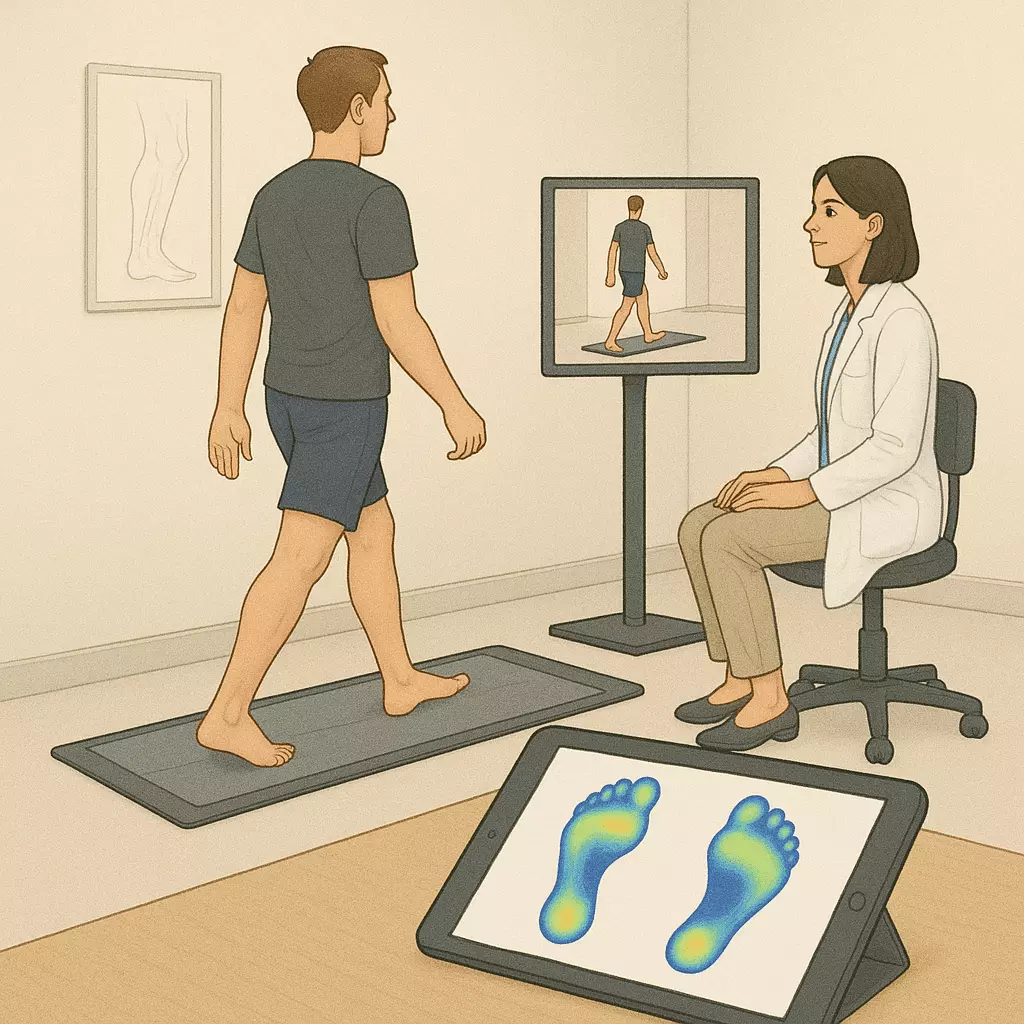
Biomechanical Assessment and Gait Analysis
A key competency of podiatry is biomechanical diagnosis, where the podiatrist examines how foot structure and movement affect body alignment and gait. This includes:
- Visual gait analysis (walking and running assessment)
- Plantar pressure mapping using force platforms
- Kinematic motion analysis (for limb segment coordination)
- Postural and load distribution scans
Common conditions diagnosed through these methods include:
- Plantar fasciitis
- Achilles tendinopathy
- Forefoot overload syndrome
- Overpronation and supination patterns
- Pelvic tilt and postural asymmetry
Use of Diagnostic Tools and Specialist Referral
While podiatrists don’t typically order MRIs or CT scans directly, they can:
- Request X-rays for structural assessment
- Use ultrasound (where qualified) for soft tissue injuries
- Conduct vascular assessments (e.g. Doppler ultrasound)
- Screen for neuropathy using monofilament and vibration tests
If pathology exceeds podiatric scope, they refer to:
- Orthopaedics (e.g. bunion surgery, stress fractures)
- Physiotherapy (post-op or full-limb dysfunction)
- Diabetes foot clinics
- Vascular specialists or neurology
Treatment Planning: Conservative & Interventional Options
Following assessment, podiatrists implement an individualised care plan, prioritising first-line conservative treatment, with escalation where necessary.
Conservative Treatments
- Custom orthotics for alignment correction
- Exercise prescription (strength, balance, proprioception)
- Plantar fascia taping techniques
- Footwear modification and education
- Load management strategies
Podiatric Procedures
- Nail surgery (partial or total avulsion under LA)
- Wound and ulcer care in diabetic or ischemic patients
- Callus debridement
- Pressure offloading devices for forefoot or heel relief
Each treatment plan is reviewed in context of the scope of practice, current HCPC standards, and patient-specific risk factors.
Which Clinical and Surgical Procedures Are Podiatrists Legally Allowed to Perform in the UK?
In the UK, podiatrists are legally authorised to carry out a wide range of diagnostic, therapeutic, and minor surgical procedures — provided they are registered with the Health and Care Professions Council (HCPC) and operate within their regulated scope of practice.
According to the Health and Care Professions Council, podiatrists’ legal authority to practise is contingent on HCPC registration and working within an evolving, competence-based scope of practice that ensures lawful and safe care.
HCPC’s Standards of Proficiency and scope statements make clear that registrants must only undertake procedures for which they have the knowledge, skills and experience, aligning practice boundaries to protect the public. The exact procedures a podiatrist may perform depend on:
- Their core qualifications (e.g. BSc or MSc in Podiatric Medicine)
- Additional postgraduate training and annotation
- Local NHS or private clinic protocols
- National legislation, such as the Medicines Act 1968 and the Human Medicines Regulations 2012
1. Core Clinical and Diagnostic Procedures
All HCPC-registered podiatrists in the UK are permitted to perform the following procedures as part of their baseline scope:
- Biomechanical assessments and gait analysis
- Custom orthotics prescription and fitting
- Nail care and skin lesion treatment
- Foot health screening for vascular, neurological, and dermatological conditions
- Ulcer debridement, wound dressing, and pressure offloading
- Footwear assessment and modification
These services are essential for managing conditions such as plantar fasciitis, diabetic foot complications, calluses, and neuropathic pain.
Nail Surgery and Administration of Local Anaesthetic
Podiatrists are trained and legally allowed to perform nail surgery procedures including:
- Partial or total nail avulsion
- Treatment of ingrown toenails
- Surgical management of infected or deformed nails
These procedures are performed under local anaesthetic (LA), such as lidocaine, administered by the podiatrist themselves — but only if they:
- Have successfully completed HCPC-approved LA training
- Are registered as a Chiropodist/Podiatrist with LA administration rights
- Comply with infection control, clinical governance, and postoperative care protocols

Medicines Supply and Prescribing Rights
Certain podiatrists are eligible to prescribe, supply, or administer medicines under specific conditions. These include:
a. Statutory Exemptions
- Podiatrists may supply specific prescription-only medicines (POMs) such as lidocaine, co-codamol, or flucloxacillin, under statutory exemptions.
b. Patient Group Directions (PGDs)
- In some NHS environments, podiatrists can supply medicines via PGDs — written legal documents authorising supply to specific patient groups.
c. Independent Prescribing (IP)
- Podiatrists who complete a postgraduate qualification in prescribing and are annotated on the HCPC prescribing register may independently prescribe a broad range of medications, including antibiotics, analgesics, and anti-inflammatories.
Surgical Procedures: Podiatric Surgeons vs General Podiatrists
General podiatrists do not perform invasive foot surgery beyond minor procedures like nail avulsion. However, podiatric surgeons — a subspecialty within podiatry — are trained to perform complex foot and ankle surgeries, including:
- Bunion correction (hallux valgus surgery)
- Hammer toe surgery
- Joint fusions and soft tissue reconstruction
- Neuroma excision
These professionals are typically:
- Registered as surgical podiatrists with the HCPC
- Members of the Royal College of Podiatry (RCPod)
- Practicing in NHS surgical units or private outpatient theatres
Legally Permitted Procedures by Role
| Procedure | Legal for General Podiatrist? | Requires Additional Annotation or Training? |
|---|---|---|
| Nail Surgery | Yes | LA qualification required |
| Biomechanical Assessment | Yes | Standard in all podiatry qualifications |
| Gait Analysis | Yes | Within routine MSK scope |
| Prescription (via PGDs) | NHS only | Must be authorised under PGD |
| Independent Prescribing | No (unless IP-annotated) | Requires postgraduate IP cert + HCPC update |
| Foot Ulcer Debridement | Yes | Within diabetic care scope |
| Foot Surgery (e.g. bunion correction) | No | Requires podiatric surgical training and RCPod registration |
For diabetic wound risk reduction and nail surgery advice, see our ingrown toenail treatment guide.
When to See a Podiatrist: Warning Signs, High-Risk Conditions, and Referral Guidance
Knowing when to consult a podiatrist can make the difference between a manageable condition and a long-term mobility issue. Whether you’re experiencing pain, noticing changes in foot structure, or managing chronic conditions like diabetes, an HCPC-registered podiatrist is your first point of contact for expert diagnosis and care.
Acute Symptoms That Warrant Immediate Attention
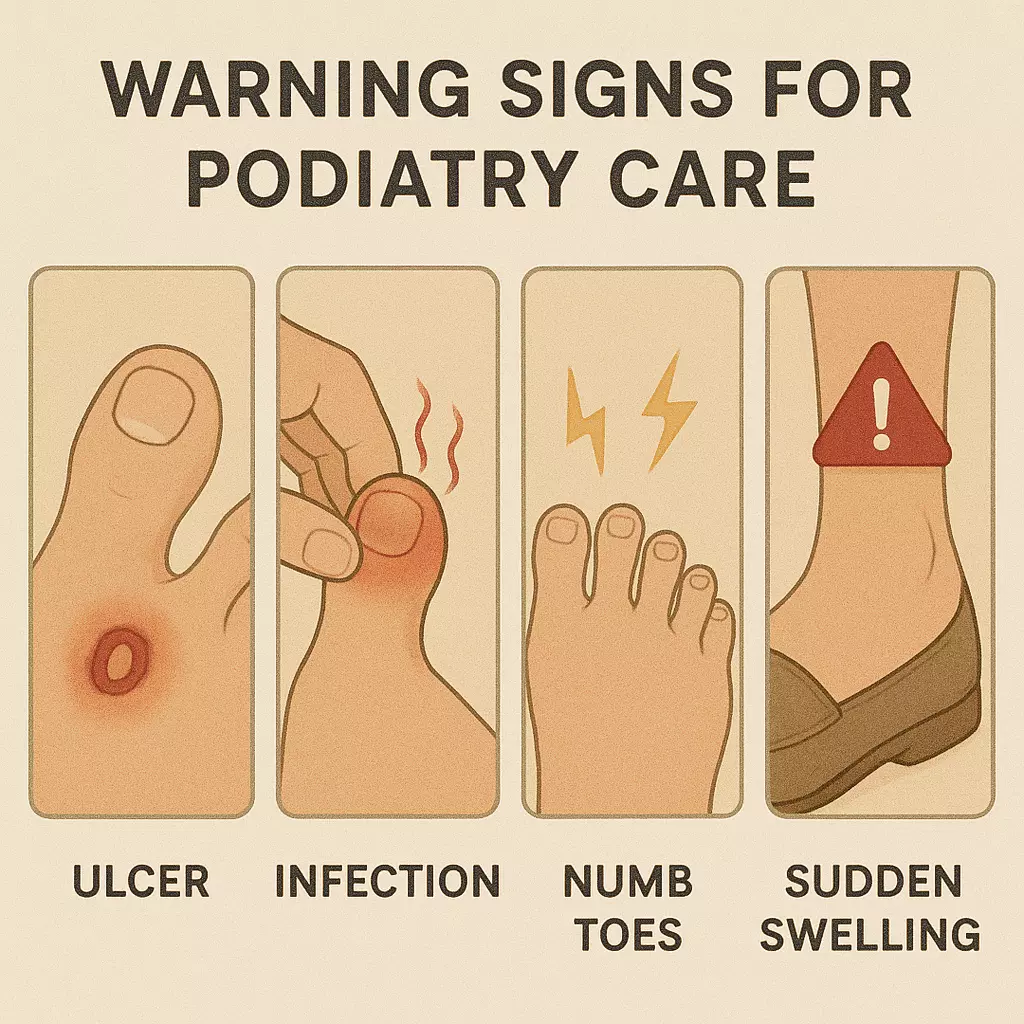
Book an urgent podiatry appointment if you experience:
- Sudden or severe foot or ankle pain
- Visible swelling, redness, or heat — especially with pain
- Discharge or signs of infection (e.g. pus, foul odour)
- Numbness or tingling (possible neuropathy or nerve compression)
- Rapid changes in colour or temperature of toes or feet
Chronic or Progressive Issues Requiring Evaluation
See a podiatrist if you notice:
- Persistent heel, arch, or forefoot pain lasting more than two weeks
- Difficulty with walking, standing, or balance
- Recurring corns, calluses, or cracked heels
- Ingrown toenails that don’t improve with home care
- Structural changes like bunions, hammertoes, or fallen arches
These signs may indicate musculoskeletal dysfunction, biomechanical imbalances, or early-stage conditions that are easier to treat when caught early.
Structural & Gait Abnormalities
If you or someone notices:
- An altered walking pattern (limping, overpronation, etc.)
- Footwear wearing unevenly
- Postural imbalances or knee/hip pain stemming from foot mechanics
- Toe deformities or arch collapse
Podiatrists perform gait analysis and biomechanical assessments to diagnose these issues and often resolve them with custom orthotics or targeted therapy.
Return-to-sport timelines and footwear optimisation are detailed in our gait biomechanics assessment service.
High-Risk Groups Who Should See a Podiatrist Regularly
Even without active symptoms, regular podiatric care is crucial for those in these categories:
- People with diabetes (due to ulcer, neuropathy, and amputation risk)
- Patients with peripheral arterial disease or vascular insufficiency
- Individuals with rheumatoid or osteoarthritis
- Elderly individuals or those with limited mobility
- Post-operative patients or those with previous foot trauma
- Athletes or anyone with repetitive high-impact foot stress
Referral Pathways: When Podiatrists Escalate Care
In the UK, podiatrists often initiate referrals to secondary care services. If further intervention is needed, they may refer you to:
| Referral To | Common Reason |
|---|---|
| Orthopaedic Surgeon | Bunionectomy, joint fusion, hammertoe correction |
| Podiatric Surgeon | Specialist foot procedures requiring surgical expertise |
| Radiology Department | X-rays, MRI, or ultrasound for persistent pain or deformities |
| Vascular Specialist / Diabetes Foot Clinic | Foot ulcers, PAD, poor circulation, risk of amputation |
| GP | Antibiotics, systemic symptoms, polypharmacy cases |
Referrals are guided by clear clinical red flag criteria, treatment resistance, or needs beyond the podiatrist’s legal scope.
What Happens at Your First Podiatry Visit?
Expect a comprehensive assessment, including:
- Detailed medical and symptom history
- Gait analysis and biomechanical evaluation
- Skin, nail, and footwear inspection
- Risk classification (e.g. for diabetic foot or vascular compromise)
- Personalised treatment plan and, if necessary, referrals or orthotic fitting
Persistent heel or arch pain can indicate deeper dysfunction—see our plantar fasciitis treatment options.
Podiatrist vs Chiropodist: What’s the Difference and Which Term Is Correct in the UK?
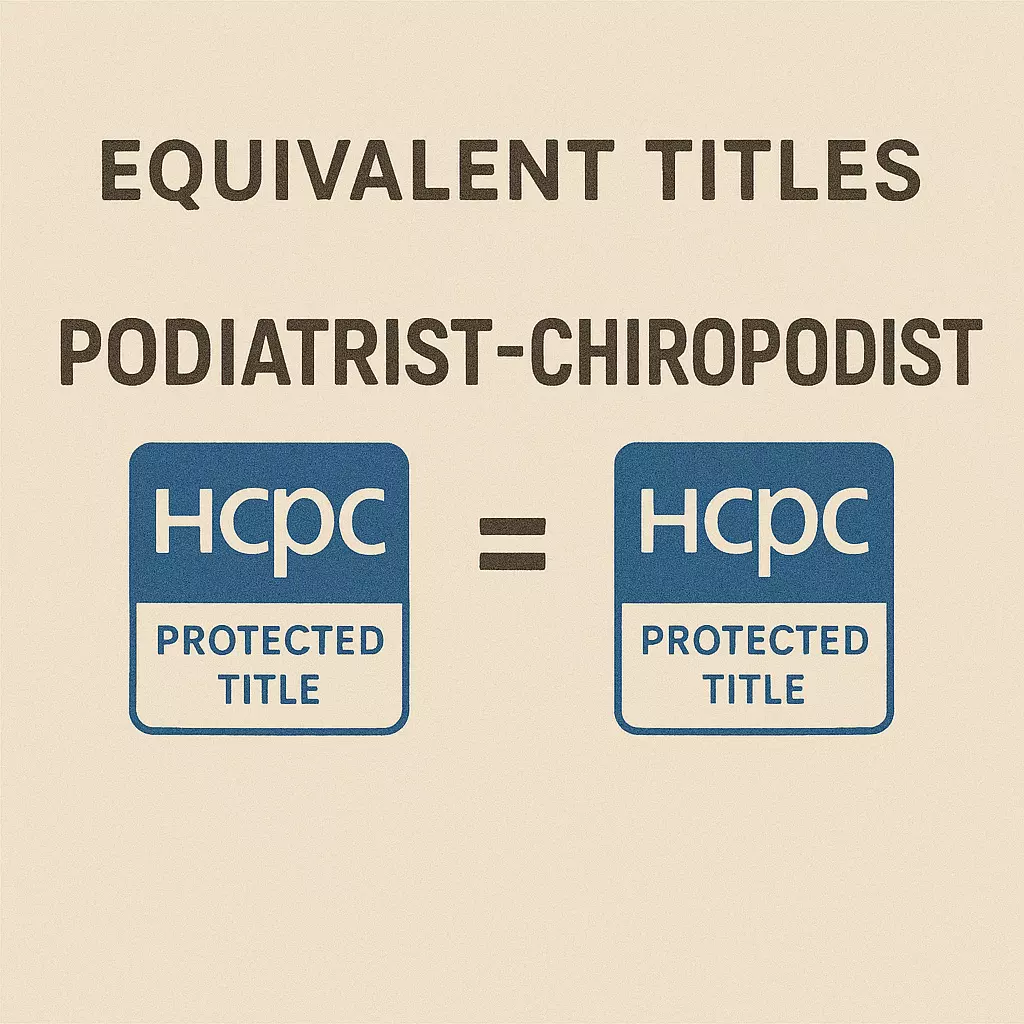
In the UK, the terms podiatrist and chiropodist are often used interchangeably — and for good reason. Legally, they refer to the same regulated healthcare professional, trained and authorised to diagnose and treat a wide range of foot and lower limb conditions.
1. Terminology: Understanding the Evolution
- Chiropodist was the original title used in the UK and Commonwealth nations, with roots in managing basic nail, skin, and foot conditions.
- The term podiatrist emerged to reflect the profession’s expanded scope, which now includes:
- Biomechanical assessments
- Pharmacology and prescribing rights
- Minor surgical procedures
- Today, “podiatrist” is the preferred term used by professional bodies and regulators.
2. Legal and Regulatory Clarity
Both “podiatrist” and “chiropodist” are protected professional titles in the UK. According to the Health and Care Professions Council (HCPC):
- Practitioners must hold an HCPC-approved degree in podiatric medicine or chiropody.
- Only HCPC-registered clinicians may legally use either title.
- The scope of practice is the same — regardless of which term is used.
This ensures that patients receive a consistent, safe, and regulated standard of care from all UK podiatrists and chiropodists.
3. Clinical Scope: No Difference in Practice
Whether listed as a podiatrist or chiropodist, the practitioner may provide:
- Nail surgery and administration of local anaesthetic
- Treatment of heel pain, bunions, neuromas, and plantar fasciitis
- Wound and ulcer care for high-risk groups, including people with diabetes
- Custom orthotic prescription and biomechanical therapy
- Footwear assessments and gait realignment strategies
- Prescription of medicines (with proper annotation and qualifications)
4. UK and Global Terminology Differences
| Country/Region | Common Term | Notes |
|---|---|---|
| United Kingdom | Podiatrist / Chiropodist | Titles legally protected and functionally equivalent |
| United States | Podiatrist (DPM) | Advanced scope including surgical training |
| Australia | Podiatrist | Standardised nationally |
| Canada | Podiatrist / Chiropodist | Varies by province; split scope in some areas |
| India, South Africa | Chiropodist | Gradually shifting towards “podiatrist” terminology |
5. Which Term Should You Use Today?
Modern guidance from the Royal College of Podiatry and the HCPC recommends using “podiatrist” in all:
- Clinical settings
- Public health materials
- Patient communications
- Academic and professional writing
Why?
- It better reflects the profession’s modern medical scope
- It aligns with international standards
- It reduces confusion around qualifications and capabilities
Podiatry Training, Qualification & Regulation in the UK: Education, Scope & HCPC Standards
To practise legally as a podiatrist in the UK, individuals must complete recognised academic qualifications, gain clinical experience, and register with the Health and Care Professions Council (HCPC). Ongoing professional development is essential to maintain competence, regulatory compliance, and public trust.
1. Undergraduate Podiatry Education
The journey begins with completing an HCPC-approved undergraduate degree, such as:
- BSc (Hons) Podiatry / Podiatric Medicine — a full-time 3 to 4-year programme
- Offered by UK universities with NHS-linked clinical training
Key modules include:
- Anatomy and physiology of the lower limb
- Pathology, pharmacology, and infection control
- Biomechanics, gait analysis, and musculoskeletal assessment
- Dermatology and nail surgery techniques
All programmes include supervised clinical placements where students manage real patients with a wide range of foot and ankle conditions, including diabetic foot complications, heel pain, bunions, and infected toenails.

2. Postgraduate and Specialist Training
Podiatrists may expand their scope through postgraduate education, including:
- MSc (Pre-Registration) in Podiatry — for graduates in other health or science disciplines
- Independent Prescribing (IP) courses — to prescribe medicines directly
- PGCert in Diagnostic Imaging — to perform and interpret ultrasound scans
- Podiatric Surgical Pathways — surgical training in collaboration with NHS trusts and regulated by the Royal College of Podiatry (RCPod)
These advanced pathways are often linked to HCPC annotation, allowing for greater autonomy and scope within NHS and private practice settings.
3. HCPC Registration: Legal Protection of Title
To legally use the title “podiatrist” or “chiropodist”, practitioners must:
- Be listed on the HCPC register
- Demonstrate that they meet HCPC’s Standards of Proficiency
- Adhere to a Code of Conduct, performance criteria, and fitness-to-practise obligations
- Renew registration every two years with evidence of Continuing Professional Development (CPD)
4. Scope Expansion Through Advanced Clinical Practice
Modern podiatrists can take on extended roles within multidisciplinary teams, particularly in:
| Credential | Expanded Scope | Regulating Body |
|---|---|---|
| Independent Prescriber (IP) | Prescribe controlled medicines | HCPC + RCPod |
| Podiatric Surgeon | Perform foot surgery under local/general anaesthesia | RCPod + NHS |
| PGCert in MSK Ultrasound | Imaging-guided diagnostics and interventions | University/NHS |
These advancements help podiatrists lead clinics in diabetic foot care, rheumatology, orthopaedics, and musculoskeletal rehabilitation.
5. Professional Development and Ethical Standards
To remain on the HCPC register, all podiatrists must:
- Engage in annual CPD across clinical, academic, and service delivery domains
- Keep accurate patient records and adhere to information governance protocols
- Maintain a high standard of evidence-based practice
- Undertake peer reviews, audits, and attend professional development events
- Stay up to date with Royal College of Podiatry guidance
Failure to meet these standards can result in suspension or removal from the register.
For profession history, terminology, and role development, visit our podiatry profession hub.
What Conditions Do Podiatrists Treat?
Podiatrists are trained to assess, diagnose, and treat a wide range of conditions affecting the foot, ankle, and lower limb. Their clinical scope spans musculoskeletal disorders, skin and nail pathologies, neurological deficits, and vascular complications. Through detailed biomechanical analysis, dermatological care, and high-risk foot screening, podiatrists play a crucial role in preventing disability, enhancing mobility, and reducing long-term health risks—especially for patients with diabetes, arthritis, or poor circulation.
1. Musculoskeletal & Biomechanical Conditions
Podiatrists specialise in managing structural abnormalities, soft tissue dysfunctions, and biomechanical imbalances, including:
- Plantar fasciitis (common cause of heel pain)
- Achilles tendinopathy and posterior tibial dysfunction
- Flat feet (pes planus) and high arches (pes cavus)
- Morton’s neuroma, metatarsalgia, and forefoot pain
- Leg length discrepancy and pelvic misalignment
These conditions often result in altered gait mechanics, leading to secondary issues in the knees, hips, and lower back. Treatment may include custom orthotics, shockwave therapy, manual therapy, and rehabilitative exercises.
2. Dermatological & Nail Conditions
Podiatrists are first-line providers for skin and nail diseases affecting the feet. They offer both routine care and minor surgical procedures for:
- Ingrown toenails (onychocryptosis) — often treated with partial nail avulsion under local anaesthetic
- Fungal nail infections (onychomycosis) and athlete’s foot (tinea pedis)
- Calluses, corns, cracked heels, and skin fissures
- Verrucae (plantar warts) — managed with cryotherapy, needling, or chemical agents
- Foot hyperhidrosis (excessive sweating) and bromhidrosis (odour)

3. Neurological & Sensory Disorders
Nerve-related conditions are assessed through neurological screening tools such as monofilament testing, vibration perception, and reflex assessments. Podiatrists commonly manage:
- Peripheral neuropathy — frequently associated with diabetes, alcohol abuse, or chemotherapy
- Tarsal tunnel syndrome — compression of the posterior tibial nerve
- Burning, numbness, or tingling in the toes or soles
- Drop foot, muscle weakness, and proprioceptive dysfunction
These conditions impair balance, gait, and protective sensation, significantly increasing the risk of falls and injuries.
4. Vascular & Circulatory Disorders
Podiatrists are trained to recognise signs of poor circulation and often conduct non-invasive vascular assessments, including Doppler ultrasound and ankle-brachial pressure index (ABPI) tests. They manage:
- Peripheral arterial disease (PAD) and critical limb ischaemia
- Venous insufficiency, varicose veins, and edema
- Non-healing wounds, skin discolouration, and cold extremities
- Capillary refill time and absent pedal pulses
Patients with significant vascular compromise may be referred to vascular surgeons or integrated into multidisciplinary foot teams (MDTs).
5. High-Risk & Diabetic Foot Complications
In diabetes, foot complications can escalate rapidly due to neuropathy, ischemia, and delayed healing. Podiatrists play a pivotal role in:
- Annual diabetic foot checks (risk categorisation)
- Ulcer prevention through pressure offloading and footwear advice
- Wound debridement, dressing application, and infection control
- Amputation risk reduction through early intervention
- Collaborative care within MDTs including diabetologists, vascular specialists, and nurses
6. Additional Foot and Lower Limb Conditions
| Condition | Management by Podiatrist |
|---|---|
| Bunions (hallux valgus) | Orthotics, footwear advice, surgical referral |
| Hammer toes | Padding, taping, exercise therapy |
| Chronic ankle instability | Rehabilitation, ankle bracing |
| Sports injuries | Gait correction, strapping, rehabilitation |
| Juvenile flat feet | Monitoring, orthotic intervention |
| Warts / Lesions | Topical agents, cryotherapy, excision |
For stubborn onychomycosis cases, see our fungal nail laser treatment service.
What Procedures and Treatments Do Podiatrists Provide?
A podiatrist is trained to perform a wide range of diagnostic, therapeutic, and surgical interventions that address conditions of the foot, ankle, and lower limb. Whether managing musculoskeletal pain, skin and nail pathology, or complex diabetic foot complications, podiatrists deliver evidence-based treatments under the regulatory framework of the Health and Care Professions Council (HCPC).
1. Conservative & Non-Invasive Treatments
Podiatrists often begin with conservative therapies aimed at relieving pain, correcting function, and preventing recurrence:
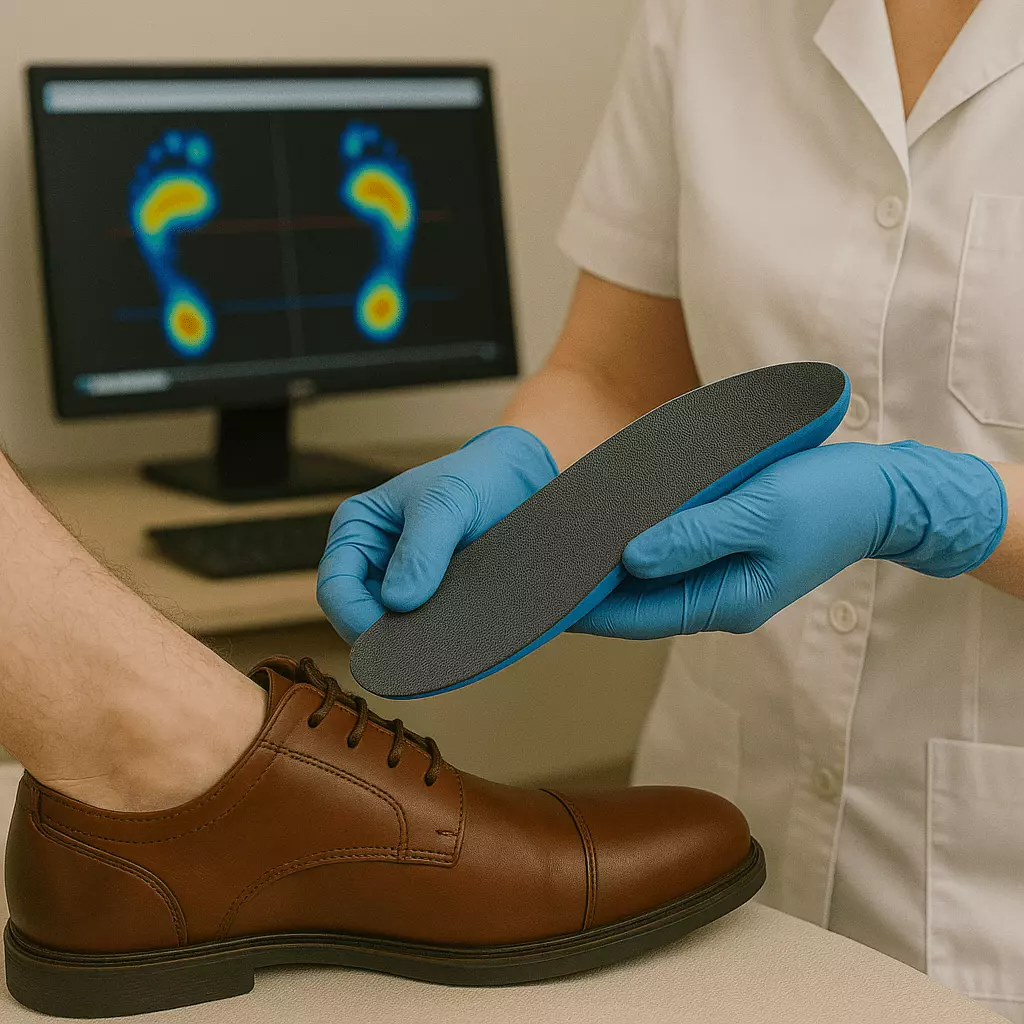
- Custom orthotics (foot orthoses) — designed after detailed gait analysis to address biomechanical issues
- Shockwave therapy (ESWT) — a non-invasive modality used for plantar fasciitis, Achilles tendinopathy, and other chronic soft tissue injuries
- Manual therapy and foot mobilisation — restores joint range of motion and corrects mechanical dysfunction
- Strapping, padding, and offloading techniques — used to redistribute pressure on vulnerable or ulcerated areas
- Cryotherapy — applied in verruca management using liquid nitrogen or cryoprobes
2. Diagnostic Technologies in Podiatric Practice
Podiatrists use a suite of diagnostic tools to support precision care:
- 3D gait and pressure plate analysis — evaluates walking patterns and identifies areas of high plantar pressure
- Diagnostic ultrasound — visualises internal structures like ligaments, tendons, and bursae in real-time
- Doppler ultrasound — assesses blood flow in patients with peripheral arterial disease (PAD) or circulatory concerns
- ABPI testing (Ankle-Brachial Pressure Index) — quantifies arterial supply to the lower limb
- Neurological screening — including 10g monofilament, vibration tuning fork, and reflex tests for early detection of peripheral neuropathy
These assessments support early intervention and reduce diagnostic ambiguity.
3. Minor Surgical Procedures Performed by Podiatrists
Many podiatrists are trained to carry out minor surgery within clinical environments:
- Partial or total nail avulsion — commonly performed for ingrown toenails, often under local anaesthetic
- Cryosurgery — targets persistent verrucae (plantar warts) resistant to conservative treatment
- Soft tissue excision — removes corns, fibromas, or benign lesions
- Wound debridement — eliminates devitalised or infected tissue to promote healing
- Infiltration anaesthesia — ensures painless procedures while preserving structural integrity
All procedures are carried out under strict infection control protocols and conform to HCPC regulations.
4. Independent Prescribing & Advanced Clinical Practice
Many UK podiatrists have achieved HCPC annotation as Independent Prescribers (IP). This empowers them to:
- Prescribe prescription-only medicines (POMs) directly, including antibiotics, anti-inflammatories, and analgesics
- Administer corticosteroid injections into joints and soft tissues
- Deliver local anaesthetics as part of minor surgical interventions
- Manage conditions such as infections, inflammatory arthritis, and neuropathic pain without GP referral
This expanded role allows podiatrists to deliver comprehensive care, reducing delays in treatment and streamlining patient pathways.
5. Long-Term & High-Risk Foot Management
Podiatrists are integral to long-term care strategies, particularly for high-risk and medically complex patients:
- Diabetic foot care — annual risk assessment, ulcer prevention, wound care
- Rheumatology support — managing foot pain and deformity in patients with RA and psoriatic arthritis
- Fall prevention — in elderly patients via balance assessments and footwear optimisation
- Sports rehabilitation — injury recovery and return-to-play protocols
- Post-operative care — after foot or ankle surgery
Podiatrists often collaborate within multidisciplinary foot protection teams (MDTs), especially in NHS settings.
For an overview of all podiatry and chiropody services at Freedom Clinics, see our main podiatry services page.
When Should You See a Podiatrist? Symptoms, Risk Factors & Preventive Care
A podiatrist is a specialist in diagnosing, treating, and preventing conditions affecting the foot, ankle, and lower limb. Knowing when to see a podiatrist can prevent small problems from becoming serious, particularly for people with diabetes, circulatory issues, or recurrent foot pain.
As HCPC-registered clinicians, podiatrists provide urgent care, long-term management, and preventive foot health checks.
1. Urgent Symptoms and Red Flags
Seek podiatry care immediately if you experience:
- Severe or sudden foot or ankle pain that restricts walking
- Infections: redness, swelling, pus, or spreading inflammation
- Non-healing wounds or ulcers lasting more than 2 weeks
- Numbness, tingling, or burning sensations — early signs of peripheral neuropathy
- Cold, pale, or bluish feet — possible peripheral arterial disease (PAD)
Podiatrists can diagnose the cause, provide immediate treatment, and refer you to specialists if your condition involves vascular or neurological complications.
2. Chronic or Persistent Foot Conditions
Book an appointment with a podiatrist if you experience ongoing problems such as:
- Heel pain or arch pain (e.g. plantar fasciitis, Achilles tendinopathy)
- Ingrown toenails that are painful or infected
- Recurring corns, calluses, or cracked heels
- Bunions or hammer toes affecting mobility or footwear comfort
- Structural foot changes such as flat feet or high arches
Podiatrists provide gait analysis, custom orthotics, and manual therapy to correct biomechanics and relieve pain.
3. High-Risk Patient Groups
Certain people require regular podiatry check-ups, even if asymptomatic:
- Diabetes (Type 1 & Type 2) — risk of neuropathy, ulceration, and amputation
- Peripheral arterial disease (PAD) — poor circulation and delayed healing
- Arthritis — including rheumatoid arthritis and psoriatic arthritis
- Elderly patients — mobility decline, fall risk, and fragile skin
- Athletes — repetitive strain injuries and sports-specific foot problems
Annual or bi-annual podiatry visits for these groups can significantly reduce the risk of serious complications.
4. Referral Pathways and Escalation
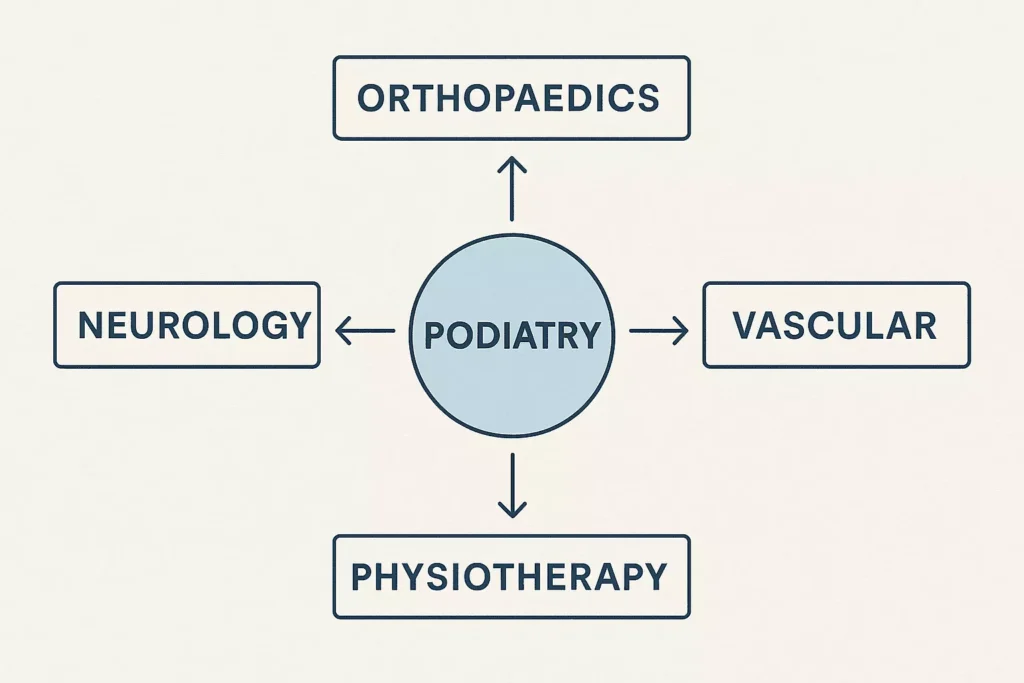
Podiatrists work within multidisciplinary teams (MDTs) and may refer patients to other specialists when necessary:
| Referral To | Condition Trigger |
|---|---|
| Orthopaedic surgeon | Severe bunions, advanced deformities, surgical correction |
| Vascular specialist | PAD, critical limb ischaemia, non-healing ulcers |
| Diabetes foot clinic | Complex diabetic wounds, recurring infections |
| Neurologist | Nerve entrapment syndromes, neuropathy |
| Physiotherapist | Complex musculoskeletal rehab or post-surgical support |
This integrated approach ensures comprehensive foot and ankle care.
5. Preventive and Routine Foot Health
You don’t have to wait for pain to benefit from podiatry care. Preventive services include:
- Routine foot health checks to catch early signs of problems
- Footwear assessments for posture, comfort, and sports performance
- Children’s foot assessments — monitoring flat feet, gait, or developmental changes
- Skin and nail care to avoid infection, corns, or calluses
- Fall prevention strategies for elderly patients
Regular podiatry visits help maintain mobility, independence, and long-term foot health.
Preventive checks and routine foot care are outlined in our skin and nail podiatry care service.

Our Podiatrists & Chiropodists


References
- Health and Care Professions Council. (2023). Standards of proficiency: Chiropodists/podiatrists. Health and Care Professions Council. (n.d.). Standards of proficiency (PDF): Chiropodists/podiatrists. https://www.hcpc-uk.org/standards/standards-of-proficiency/chiropodists-podiatrists/

