
Introduction
Acromioclavicular (AC) joint injuries are common shoulder injuries, particularly among athletes and individuals who engage in high-impact activities. The AC joint is where the collarbone (clavicle) meets the highest point of the shoulder blade (acromion). This article explores the symptoms, causes, and treatment options for AC joint injuries, providing a comprehensive guide for those seeking to understand and manage this condition.
What is an Acromioclavicular (AC) Joint Injury?
The AC joint plays a crucial role in shoulder movement and stability. Injuries to this joint, often referred to as shoulder separations, occur when the ligaments that stabilise the AC joint are damaged or torn. These injuries can range from mild sprains to complete separations.
Symptoms of Acromioclavicular (AC) Joint Injury
The symptoms of an AC joint injury can vary depending on the severity of the injury. Common symptoms include:
Shoulder Pain: Pain at the top of the shoulder, which may radiate to the neck or arm.
Swelling and Bruising: Swelling and bruising around the AC joint.
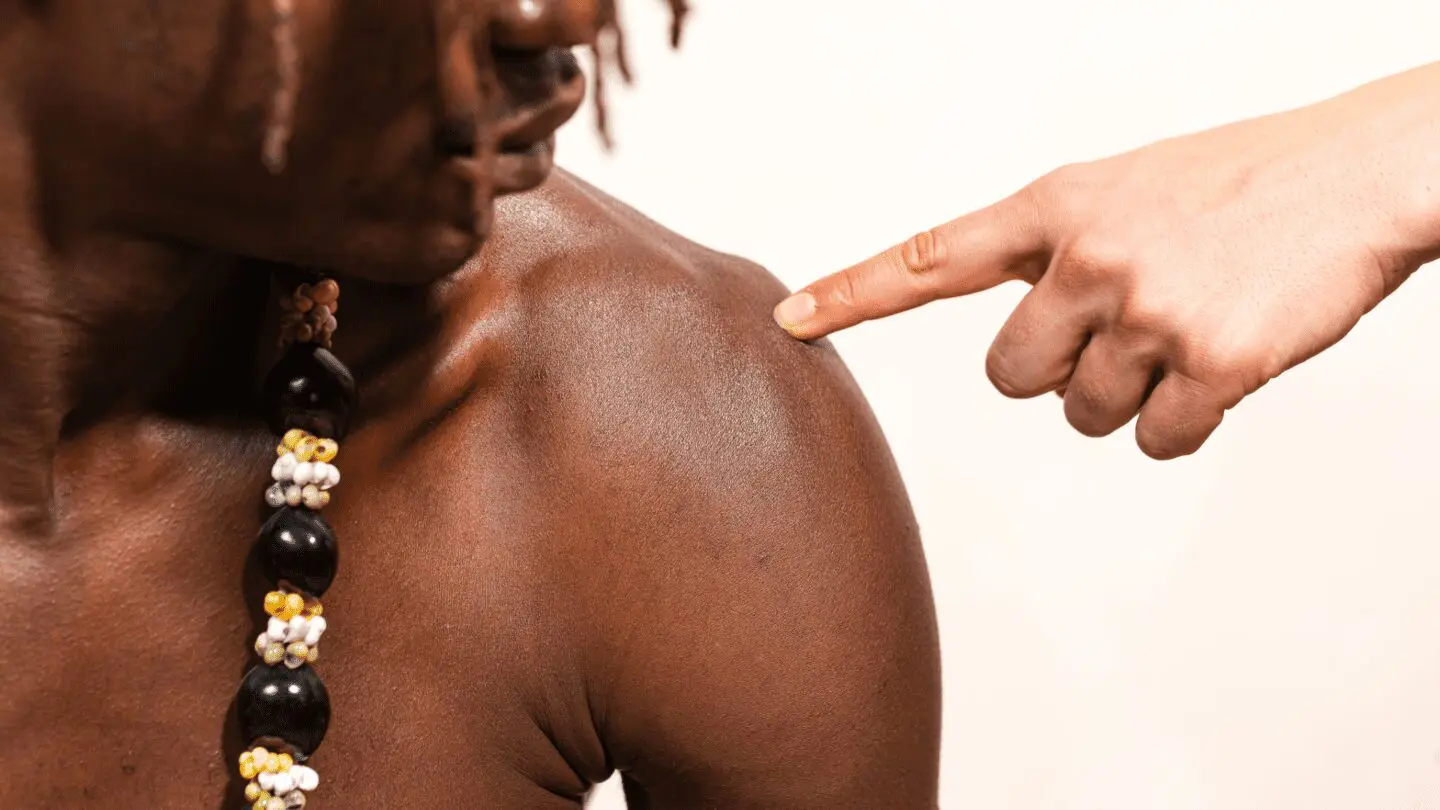
Tenderness: Tenderness over the AC joint when touched.
Deformity: In severe cases, a noticeable bump or deformity at the top of the shoulder.
Limited Range of Motion: Difficulty lifting the arm or moving the shoulder.
Instability: A feeling of instability or weakness in the shoulder.
Causes of Acromioclavicular (AC) Joint Injury
Several factors can contribute to the development of an AC joint injury:
Direct Trauma: A direct blow to the shoulder, such as falling onto the shoulder or being struck during contact sports.
Overuse: Repetitive overhead activities, such as weightlifting or throwing, can strain the AC joint.
Accidents: Motor vehicle accidents or falls from a height.
Degenerative Conditions: Age-related wear and tear can weaken the ligaments and increase the risk of injury.
Diagnosis of Acromioclavicular (AC) Joint Injury
Diagnosing an AC joint injury typically involves a combination of physical examinations and imaging tests:
Physical Examination: A doctor will assess the shoulder’s range of motion, stability, and any pain responses during specific movements.
X-rays: X-rays can help determine the severity of the injury by showing the alignment of the clavicle and acromion.
MRI or Ultrasound: These imaging tests can provide detailed images of the soft tissues, including ligaments and tendons, to evaluate the extent of the injury.
Treatment Options for Acromioclavicular (AC) Joint Injury
Treatment for AC joint injuries aims to alleviate pain, restore function, and prevent recurrence.
Options include:
Rest and Activity Modification: Reducing or stopping the activities that cause pain to allow the joint to heal.
Ice Therapy: Applying ice packs to the affected area to reduce pain and swelling.
Pain Relief: Over-the-counter pain relievers, such as ibuprofen, can help manage pain and reduce inflammation.
Physiotherapy: A physiotherapist can design a program to strengthen the muscles around the shoulder, improve flexibility, and enhance joint stability.
Brace or Sling: Using a shoulder brace or sling to immobilise the shoulder and allow healing.
Corticosteroid Injections: In cases of severe inflammation, corticosteroid injections may be used to reduce pain and swelling.
Surgery: In severe cases, surgical intervention may be necessary to repair or reconstruct the damaged ligaments and restore joint stability.
Prevention of Acromioclavicular (AC) Joint Injury
Preventive measures can help reduce the risk of developing an AC joint injury:
Proper Technique: Ensuring proper form during physical activities and sports to prevent undue stress on the shoulder joint.
Strengthening Exercises: Regular exercises to strengthen the shoulder and upper back muscles.
Protective Gear: Wearing appropriate protective gear during contact sports to reduce the risk of direct trauma to the shoulder.
Gradual Increase in Activity: Gradually increasing the intensity and duration of physical activities to prevent overuse injuries.
Conclusion
Acromioclavicular joint injuries are painful and can significantly impact shoulder function and daily activities. However, with proper diagnosis and treatment, most individuals can manage their symptoms effectively and return to their regular activities. If you experience symptoms of an AC joint injury, seeking early medical advice is essential for an accurate diagnosis and effective treatment plan.

