
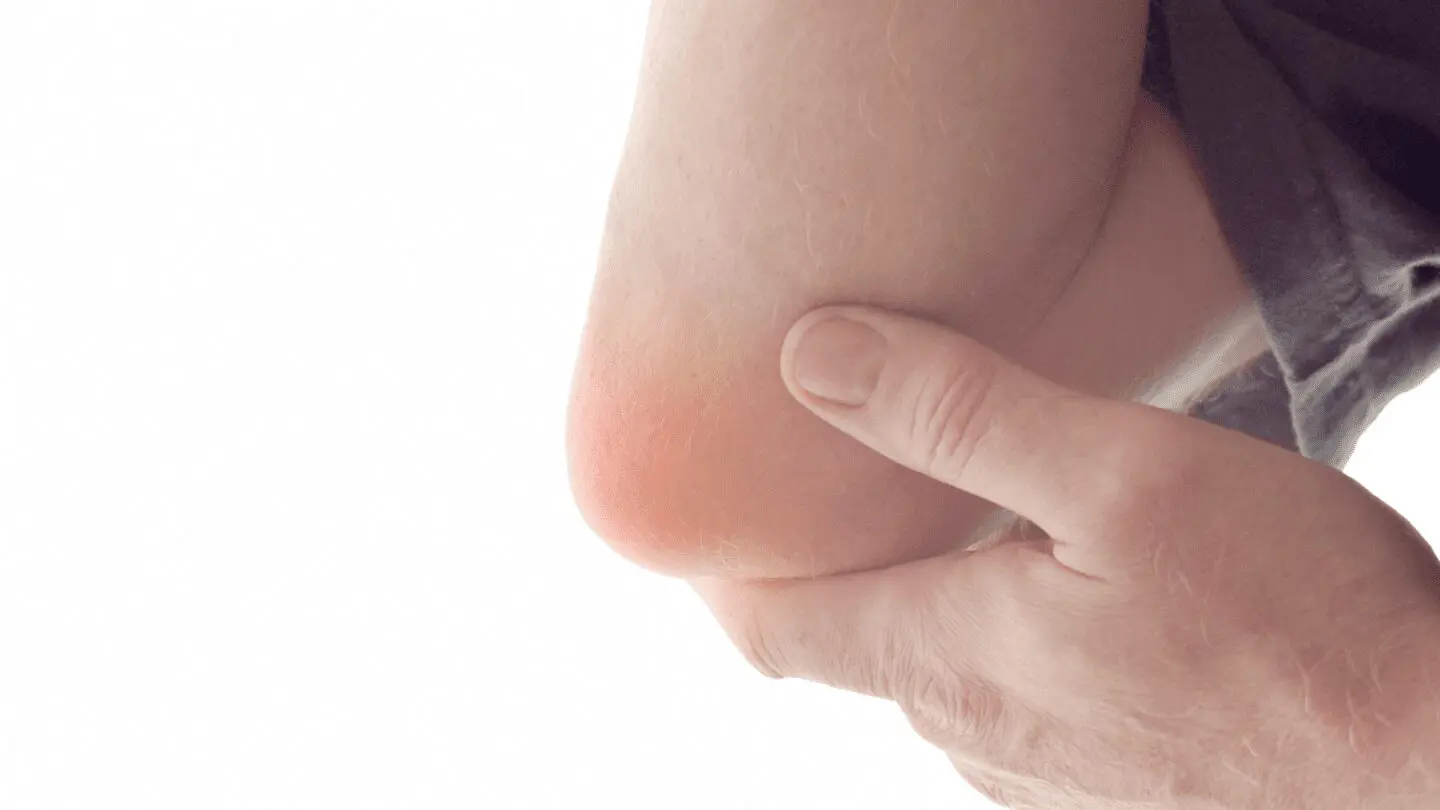
Olecranon bursitis, also known as “student’s elbow” or “miner’s elbow,” is a condition characterised by the inflammation of the bursa located over the olecranon process at the back of the elbow. This small, fluid-filled sac acts as a cushion to reduce friction between the skin and the bone. When it becomes inflamed, it can cause pain, swelling, and difficulty in movement. This article delves into the causes, symptoms, and treatment options for olecranon bursitis, offering a comprehensive guide to understanding and managing this condition.
Causes of Olecranon Bursitis
Olecranon bursitis can result from various factors, broadly categorised into three primary causes:
Trauma or Injury: A direct blow to the elbow or repeated minor injuries can lead to inflammation of the bursa. This is common in activities involving significant elbow use, such as sports or manual labour.
Prolonged Pressure: Continuous pressure on the elbow, such as leaning on hard surfaces, can irritate the bursa over time. This is often seen in students who rest their elbows on desks or individuals whose jobs require leaning on elbows frequently.
Infection: Bacterial infection can cause septic bursitis, leading to pain and swelling. This may occur from a cut or scrape near the elbow that introduces bacteria into the bursa.
Underlying Medical Conditions: Conditions such as rheumatoid arthritis or gout can predispose individuals to bursitis by causing inflammation in various parts of the body, including the bursae.
Symptoms of Olecranon Bursitis
The symptoms of olecranon bursitis can vary depending on the cause and severity of the inflammation. Common symptoms include:
- Swelling: The most noticeable symptom is swelling at the back of the elbow, which can develop rapidly or over time. The swelling may be as large as a golf ball.
- Pain: While some cases may be painless, others can cause significant discomfort, especially when pressure is applied to the elbow or during movement.
- Redness and Warmth: If the bursa is infected, the skin over the elbow may become red and warm to the touch.
- Restricted Movement: Swelling and pain can limit the range of motion in the elbow, making it difficult to bend or straighten the arm fully.
Treatment Options for Olecranon Bursitis
Treatment for olecranon bursitis aims to reduce inflammation, alleviate pain, and address the underlying cause. The following are common treatment approaches:
- Rest and Activity Modification: Avoiding activities that exacerbate symptoms is crucial. Resting the elbow and modifying daily activities can prevent further irritation of the bursa.
- Ice Therapy: Applying ice packs to the affected area can help reduce swelling and pain. It is recommended to apply ice for 15-20 minutes several times a day.
- Compression: Using an elastic bandage or elbow pad can provide support and reduce swelling.
- Medications: Over-the-counter nonsteroidal anti-inflammatory drugs (NSAIDs) such as ibuprofen can help manage pain and inflammation. In cases of infection, antibiotics may be prescribed.
- Aspiration: In cases of significant swelling, a healthcare provider may drain the excess fluid from the bursa using a needle. This procedure, known as aspiration, can provide immediate relief.
- Corticosteroid Injections: For severe inflammation, corticosteroid injections may be administered to reduce swelling and pain.
- Physiotherapy: Physiotherapy can be beneficial in restoring the range of motion and strengthening the surrounding muscles. A physiotherapist can design a tailored exercise programme to support recovery and prevent recurrence.
- Surgery: In rare cases, when conservative treatments are ineffective, surgical removal of the bursa may be necessary.
Prevention of Olecranon Bursitis
Preventative measures can reduce the risk of developing olecranon bursitis:
Protective Gear: Using elbow pads during activities that put pressure on the elbows can help cushion and protect the bursa.
Ergonomic Adjustments: Making ergonomic adjustments to workstations can minimise prolonged pressure on the elbows.
Gradual Activity Increase: Gradually increasing the intensity and duration of activities that involve the elbows can prevent overuse injuries.
Conclusion
Olecranon bursitis, while often manageable with conservative treatment, can significantly impact daily activities if left untreated. Understanding the causes and recognising the symptoms early can lead to effective management and a swift return to normal activities. If you suspect you have olecranon bursitis, seeking advice from a healthcare professional is crucial for a proper diagnosis and tailored treatment plan.

