
Introduction
Posterior Tibial Tendon Dysfunction (PTTD), also known as adult-acquired flatfoot, is a progressive condition that affects the posterior tibial tendon, leading to pain, swelling, and often a flatfoot deformity. This article will delve into the symptoms, causes, and treatment options for PTTD, providing a comprehensive guide for those affected by this condition.
What is Posterior Tibial Tendon Dysfunction?
The posterior tibial tendon is crucial for supporting the arch of the foot and aiding in walking. PTTD occurs when this tendon becomes inflamed or torn, compromising its ability to support the arch. This dysfunction can result in the gradual flattening of the foot.
Symptoms of Posterior Tibial Tendon Dysfunction
PTTD is a progressive condition, meaning symptoms worsen over time. Common symptoms include:
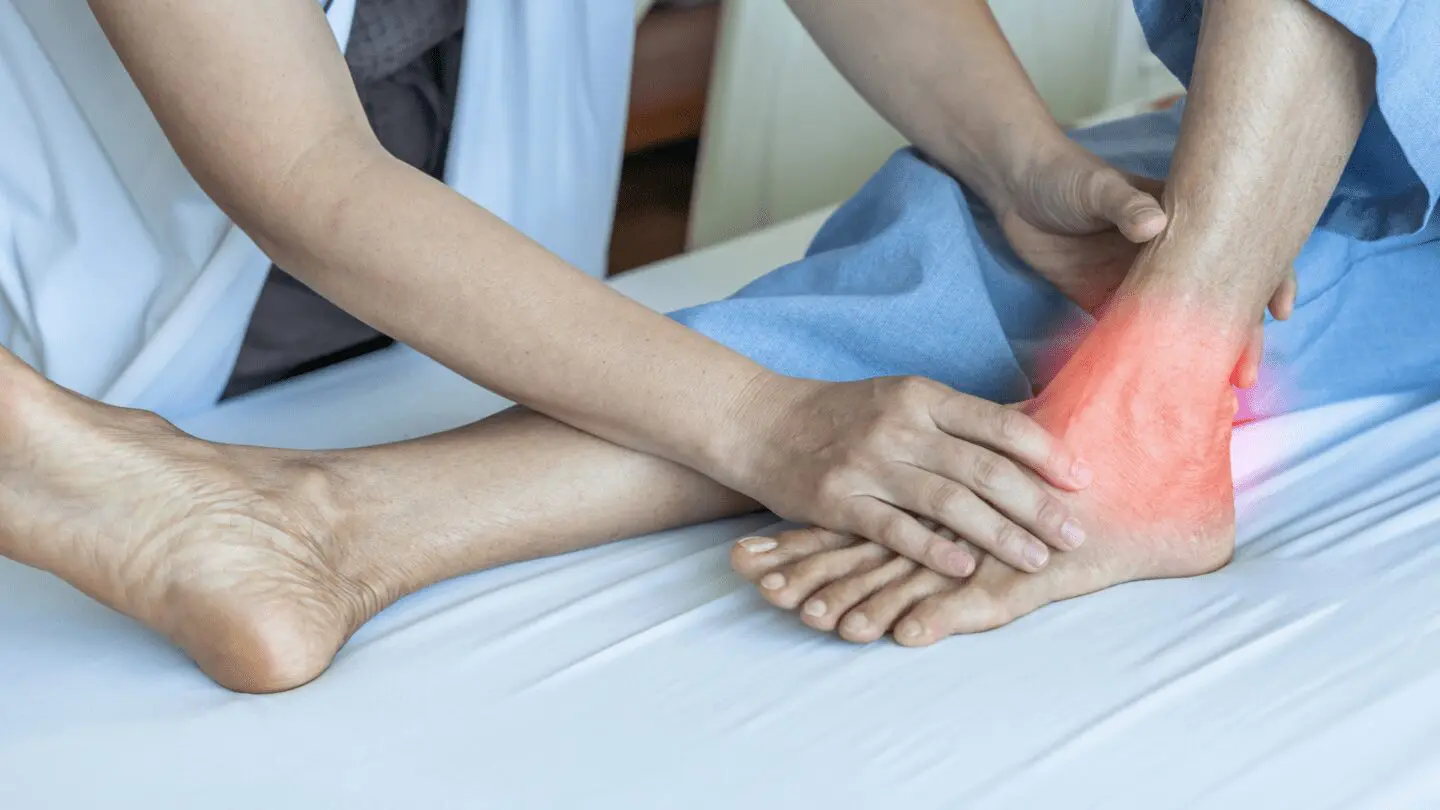
Pain and Swelling: Pain typically occurs along the inside of the foot and ankle, accompanied by swelling.
Flatfoot: A noticeable flattening of the foot arch, especially when standing.
Heel Pain: Pain that radiates to the heel or the outside of the ankle.
Difficulty in Walking: As the condition progresses, walking or standing for prolonged periods can become challenging.
Imbalance: Difficulty in balancing or standing on tiptoe.
Causes of Posterior Tibial Tendon Dysfunction
Several factors can contribute to the development of PTTD:
Overuse: Activities that involve repetitive use of the tendon, such as running, can lead to overuse injuries.
Age-Related Degeneration: The tendon can weaken and degenerate with age.
Inflammatory Diseases: Conditions such as rheumatoid arthritis can increase the risk of developing PTTD.
Trauma or Injury: A significant injury or trauma to the foot can damage the posterior tibial tendon.
Obesity: Excess weight places additional stress on the tendon, increasing the likelihood of dysfunction (WebMD, 2023).
Diagnosis of Posterior Tibial Tendon Dysfunction
Diagnosing PTTD typically involves a physical examination and imaging tests:
Physical Examination: A doctor will assess the foot’s range of motion, alignment, and tenderness.
MRI Scan: Magnetic resonance imaging (MRI) provides detailed images of the tendon and surrounding tissues.
Ultrasound: This imaging test can evaluate the condition of the tendon.
X-rays: X-rays help to identify changes in the foot structure and alignment.
Treatment Options for Posterior Tibial Tendon Dysfunction
Treatment for PTTD aims to alleviate pain, restore function, and prevent progression. Options include:
Rest and Activity Modification: Avoiding activities that exacerbate symptoms is crucial for tendon healing.
Ice Therapy: Applying ice packs can reduce pain and swelling.
Pain Relief: Over-the-counter pain relievers, such as ibuprofen, can help manage pain and reduce inflammation.
Physiotherapy: A physiotherapist can design exercises to strengthen the tendon and improve foot mechanics.
Shockwave Therapy: This non-invasive treatment uses sound waves to stimulate healing in the affected area and can be particularly effective in promoting tendon repair.
Orthotic Devices: Custom orthotics or braces can provide support and correct foot alignment.
Casting or Boot: In severe cases, immobilising the foot with a cast or boot may be necessary to allow the tendon to heal.
Corticosteroid Injections: These can reduce inflammation and pain around the affected tendon.
Surgery: If conservative treatments fail, surgical options such as tendon repair, tendon transfer, or osteotomy may be considered.
Prevention of Posterior Tibial Tendon Dysfunction
Preventive measures can reduce the risk of developing PTTD:
Proper Footwear: Wearing supportive shoes that provide good arch support can help prevent tendon strain.
Avoid Overuse: Gradually increase activity levels to avoid overstraining the tendon.
Maintain a Healthy Weight: Keeping a healthy weight reduces the stress on the posterior tibial tendon.
Strengthening Exercises: Regular exercises to strengthen the muscles of the foot and ankle can provide better support for the tendon.
Conclusion
Posterior Tibial Tendon Dysfunction is a challenging condition that can significantly impact mobility and quality of life. However, with early diagnosis and appropriate treatment, most individuals can manage their symptoms effectively and maintain an active lifestyle. If you suspect you have PTTD, seeking early medical advice is essential for an accurate diagnosis and effective treatment plan.
References
Cleveland Clinic. (2023) Posterior Tibial Tendon Dysfunction
Mayo Clinic. (2023) Posterior Tibial Tendon Dysfunction
National Health Service (NHS). (2023) Posterior Tibial Tendon Dysfunction
WebMD. (2023) Posterior Tibial Tendon Dysfunction

