
What Is Spinal Traction & Decompression Therapy?
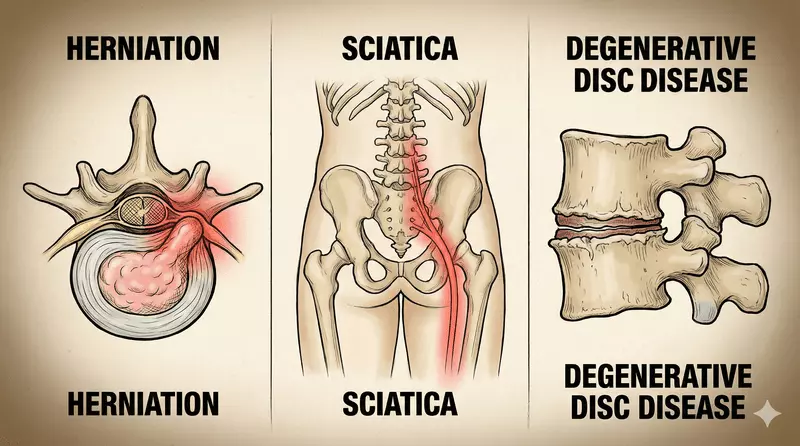
Spinal decompression therapy—also known as chiropractic spinal traction—is a non-surgical treatment designed to relieve disc pressure and nerve compression. It’s commonly recommended for patients with herniated discs, sciatica, degenerative disc disease, and lumbar nerve root impingement.
Book your appointmentMedically reviewed by Tanesa Mohan (MChiro LRCC). Last update: 04 February 2026.
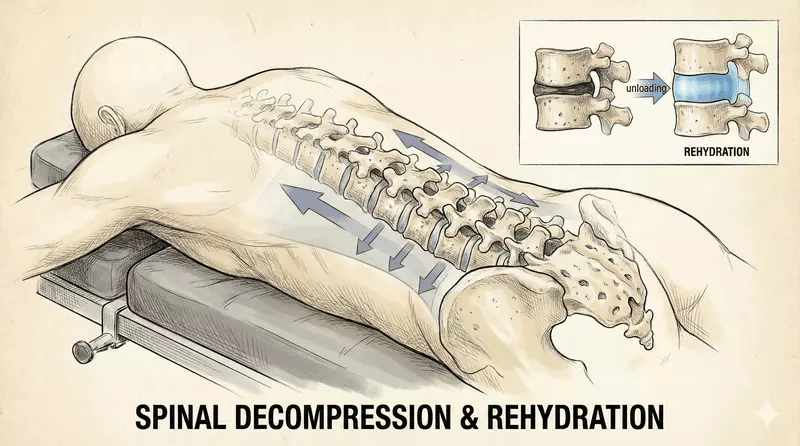
Understanding Spinal Decompression Therapy
At Freedom Clinics in Canary Wharf, our chiropractors use advanced motorised decompression systems to gently stretch the spine and create negative intradiscal pressure. This vacuum effect:
- Retracts bulging or herniated disc material
- Increases space between vertebrae
- Improves nutrient diffusion and disc hydration
- Reduces pain caused by compressed spinal nerves
This technique is part of our comprehensive chiropractic rehabilitation program, offering long-term relief without the need for spinal surgery or pain medication.
Can spinal decompression help with a disc bulge?
Yes. Clinical studies show decompression therapy helps reduce bulge size, restoring disc alignment and easing nerve root irritation.
How Does Spinal Decompression Therapy Work?
Spinal decompression works by applying calibrated, cyclical forces that stretch the spine in a controlled rhythm. Each session involves:
- Lying on a computer-guided decompression table
- Wearing a secure harness around the pelvis or cervical spine
- Undergoing multiple tension-relaxation cycles over 15–30 minutes
This traction cycle:
- Decompresses intervertebral discs
- Reduces pressure on spinal nerve roots
- Improves joint spacing and vertebral alignment
- Stimulates the healing of soft tissues and ligaments
This therapy is especially beneficial for:
- Lumbar disc herniation and radiculopathy
- Sciatica relief
- Disc dehydration from degenerative disc disease
- Non-surgical management of chronic back pain
Research from the Department of Orthopaedic Surgery at Harvard Medical School has shown that reducing intradiscal pressure through controlled spinal unloading enhances diffusion of water, oxygen, and nutrients into intervertebral discs. Their findings indicate that decompression-based traction facilitates disc rehydration by restoring pressure gradients necessary for metabolic exchange in avascular disc tissue.
How Is Spinal Decompression Different from Traditional Traction?
While both methods involve spine stretching, spinal decompression therapy offers greater precision, customisation, and clinical outcomes than traditional spinal traction.
| Feature | Spinal Decompression Therapy | Traditional Spinal Traction |
|---|---|---|
| Mechanism | Creates negative intradiscal pressure | Passive vertebral distraction |
| Target Conditions | Designed for disc herniation, sciatica, nerve pain | General back and neck pain |
| Control & Customisation | Computer-calibrated tension with real-time feedback | Static manual application |
| Integration | Part of chiropractic care plans with rehab protocols | Often standalone therapy |
| Patient Monitoring | Sensor-based safety adjustments during each session | Limited or no dynamic adjustment |
Conditions Treated & Patient Suitability
Conditions Treated with Spinal Decompression Therapy
Spinal decompression therapy is a clinically proven, non-surgical treatment for a range of spinal conditions that involve nerve root compression, disc injury, or mechanical dysfunction. At Freedom Clinics Canary Wharf, our chiropractors routinely treat the following conditions using motorised spinal traction systems designed to restore structural balance and relieve pain:
Herniated or Bulging Discs
A herniated disc (also known as a prolapsed disc or slipped disc) occurs when inner disc material pushes outwards, pressing on spinal nerves.
- Spinal decompression therapy works by generating negative intradiscal pressure, which encourages the disc to retract and reduces inflammation of adjacent nerve roots.
- Ideal for lumbar disc herniations at L4-L5 or L5-S1, especially when confirmed via MRI or diagnostic imaging.
Sciatica (Lumbar Radiculopathy)
Sciatica is characterised by pain radiating down the leg due to irritation of the sciatic nerve, often from a compressed lumbar disc.
- Decompression relieves pressure on the affected nerve root (L4, L5, S1), reducing pain, numbness, and tingling.
- Especially effective for patients with confirmed nerve root impingement causing lumbar radiculopathy.
Degenerative Disc Disease (DDD)
With aging or repeated stress, spinal discs lose hydration and height, reducing flexibility and leading to chronic low back pain.
- Spinal decompression stimulates disc rehydration, improving intervertebral spacing and reducing inflammation.
- Often used to slow progression of degeneration and improve spine biomechanics without surgery.
Spinal Stenosis
Spinal stenosis refers to narrowing of the spinal canal or foraminal spaces, causing neurogenic claudication, leg weakness, and balance issues.
- Decompression increases available space in the spinal canal and relieves nerve compression.
- Frequently recommended when symptoms worsen with standing or walking.
Facet Joint Syndrome
Facet syndrome occurs when the small joints at the back of the spine become inflamed, often due to disc collapse or segmental instability.
- Decompression improves vertebral spacing, reducing compressive load on facet joints and alleviating pain caused by joint overuse or misalignment.
Who Is a Candidate for Spinal Decompression?
Spinal decompression is appropriate for patients with disc-related pain who are seeking an alternative to spinal surgery or long-term pain medication.
You may be a good candidate if:
- You have been diagnosed with a bulging or herniated disc, sciatica, or degenerative disc disease
- Your symptoms include radicular pain, numbness, or nerve irritation
- Conservative approaches such as physiotherapy or medication have been ineffective
- Imaging (MRI or CT scan) shows disc compression or nerve root involvement
Contraindications – When Spinal Decompression Is Not Recommended
Spinal decompression therapy is not suitable for patients with:
- Spinal instability, spondylolisthesis, or vertebral fractures
- Recent spinal surgery, especially fusion with hardware
- Advanced osteoporosis, spinal malignancy, or infections
- Pregnancy, due to abdominal pressure shifts
- Implanted spinal hardware, such as rods, screws, or cages
At Freedom Clinics, every patient undergoes a comprehensive clinical screening including physical exam, health history review, and red flag assessment to ensure safety.
The Treatment Journey – What to Expect
Your First Chiropractic Consultation in Canary Wharf
Your spinal decompression therapy journey at Freedom Clinics Canary Wharf begins with a comprehensive consultation conducted by a qualified chiropractor.
What to Expect During Your Initial Assessment:
- Detailed case history: Discuss symptoms like sciatica, numbness, or chronic back pain
- Orthopaedic and neurological testing: Check for nerve root compression and mobility restrictions
- Spinal examination: Assess posture, alignment, and muscular imbalances
- Imaging review: Evaluation of existing MRI or X-ray scans to identify disc herniation, spinal stenosis, or bulging discs
- Eligibility screening: Determine if you’re a suitable candidate for non-surgical spinal decompression
Your chiropractor will explain the proposed treatment protocol, answer your questions, and, in many cases, begin your first decompression session on the same day.
What to Expect During a Spinal Decompression Therapy Session
Your decompression therapy session is delivered on a motorised decompression table equipped with real-time feedback sensors. This setup ensures that each session is tailored precisely to your spinal needs.
Treatment Process:
- You’ll be positioned on the decompression platform and securely fastened with a pelvic or cervical harness.
- The table performs intermittent traction cycles, gently stretching and releasing the spine to reduce disc pressure.
- The process is computer-guided and monitored by your chiropractor to ensure maximum safety and comfort.
- Tension levels are adjusted dynamically to match your treatment goals and response.
Session Parameters:
- Duration: 15–30 minutes
- Frequency: 2–3 times per week
- Program Length: Typically 6–8 weeks
Most patients describe the sensation as a gentle pulling or stretch, often followed by improved posture and reduced pain.
Aftercare, Recovery & Long-Term Outcomes
To amplify the benefits of spinal decompression, post-treatment care focuses on disc healing, mobility, and functional rehabilitation.
After Each Session:
- Gentle stretching or core stability exercises
- Ice/heat therapy for post-session soreness
- Hydration guidance to support disc rehydration
Long-Term Success Protocol:
- Structured rehabilitation programme to strengthen spinal support muscles
- Postural retraining to maintain spinal alignment
- Periodic re-assessment by your chiropractor to monitor progress
- Lifestyle modifications to reduce disc loading and recurrence
Safety, Risks & Clinical Evidence
Safety of Spinal Decompression Therapy
Spinal decompression therapy is a non-surgical, drug-free treatment proven to be safe for individuals with conditions such as herniated discs, sciatica, and degenerative disc disease, when performed by a licensed chiropractor using calibrated equipment.
At Freedom Clinics Canary Wharf, patient safety is ensured through:
- Pre-treatment clinical assessment to identify contraindications or red flags
- Use of FDA-cleared decompression tables equipped with real-time tension monitoring
- Fully personalised protocols based on diagnosis, imaging, and spinal load tolerance
- Supervision by experienced chiropractors trained in decompression protocols

Risks and Contraindications of Spinal Decompression
While spinal decompression therapy is generally well tolerated, it may cause temporary soreness or fatigue as tissues adapt. These are normal responses during early treatment phases and typically subside within 24–48 hours.
Possible Side Effects:
- Mild stiffness in the lumbar or cervical region
- Temporary increase in nerve-related symptoms
- Lightheadedness or muscle fatigue after early sessions
Patient Safety Tip: Most side effects indicate tissue rehydration, disc unloading, and spinal adjustment, especially in the first few weeks.
Who Should Avoid Spinal Decompression Therapy?
Spinal decompression is not suitable for patients with:
- Spinal fusion surgery with metal implants (e.g., rods, cages)
- Unstable conditions like spondylolisthesis (Grade II or higher)
- Severe osteoporosis or vertebral fractures
- Spinal cancer, infection, or active inflammatory disease
- Pregnancy (due to abdominal tension and spinal load shifts)
All patients undergo a comprehensive chiropractic safety screening before starting treatment at Freedom Clinics.
Evidence-Based Benefits of Spinal Decompression Therapy
Research supports spinal decompression as an effective intervention for disc-related back pain and nerve compression disorders.
Clinical Studies That Support Decompression:
- American Journal of Pain Management: 71% of patients experienced substantial relief from lumbar disc herniation after decompression over 8 weeks.
- Journal of Neurological Research: 90% clinical improvement reported among chronic back pain sufferers using traction-based protocols.
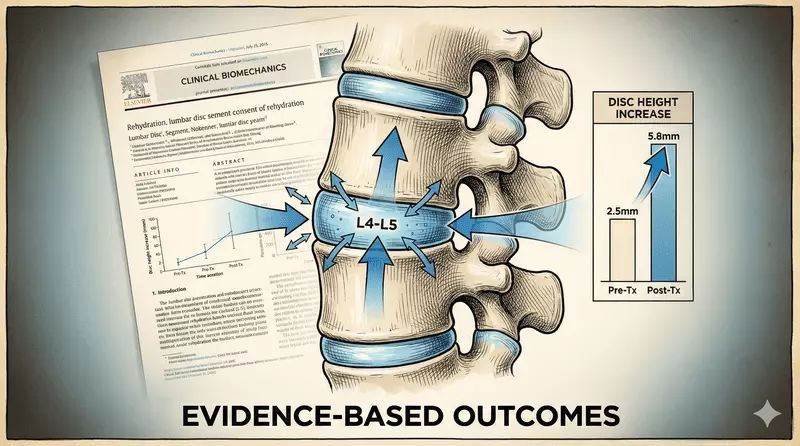
- Multiple studies have shown MRI-documented disc retraction, increased disc height, and reduced nerve impingement.
These findings validate decompression as a scientifically-supported alternative to spinal injections or surgery in specific discogenic cases.

Research published by the Department of Neurology at the University of California documented MRI-verified reductions in disc herniation size following spinal decompression protocols. The investigators reported concurrent increases in disc height and decreased neural compression, correlating with clinically meaningful pain reduction in patients with chronic discogenic low back pain.
Comparison with Other Treatment Options
Comparing Spinal Decompression Therapy with Other Back Pain Treatments
Patients suffering from herniated discs, sciatica, or chronic back pain are often presented with multiple care paths. At Freedom Clinics Canary Wharf, we help patients understand how spinal decompression therapy compares to other standard treatments in terms of clinical outcomes, safety, and mechanism of action.
Spinal Decompression vs Chiropractic Adjustments
| Comparison Factor | Spinal Decompression Therapy | Chiropractic Adjustments |
|---|---|---|
| Primary Mechanism | Controlled spinal traction using decompression table | Manual high-velocity, low-amplitude spinal manipulation |
| Condition Suitability | Disc herniation, nerve compression, sciatica | Joint misalignment, acute pain, mobility restriction |
| Risk Profile | Low – no joint manipulation or manual force | Low – practitioner-dependent comfort levels |
| Session Experience | Gentle traction, guided by computer algorithms | Manual spinal adjustments, audible joint release |
Spinal Decompression vs Steroid Injections
| Comparison Factor | Spinal Decompression Therapy | Epidural Steroid Injections |
|---|---|---|
| Mechanism of Relief | Reduces disc pressure and nerve impingement | Anti-inflammatory corticosteroid injection |
| Longevity of Results | Weeks to months; long-term if combined with rehab | Temporary – symptom suppression for weeks to months |
| Invasiveness | Non-invasive, no needles | Invasive, risk of infection or dural puncture |
| Core Issue Addressed? | Yes – targets mechanical disc compression | No – inflammation only |
Spinal Decompression vs Surgery (Discectomy, Laminectomy)
| Comparison Factor | Spinal Decompression Therapy | Spinal Surgery |
|---|---|---|
| Invasiveness | Completely non-surgical | Invasive – requires general anaesthesia and hospitalisation |
| Recovery Time | No downtime | 4–12 weeks depending on procedure and healing response |
| Risk Profile | Very low | Moderate to high – bleeding, infection, scar tissue |
| Ideal Use Case | Chronic disc bulge or nerve irritation | Severe disc rupture or neurological decline |
| Cost & Access | Lower cost; available in outpatient settings | High cost; typically surgical referral required |
When to Choose Spinal Decompression Therapy
Spinal decompression is ideal if you:
- Have a diagnosis of herniated or bulging disc, confirmed via MRI
- Experience radiculopathy, sciatica, or nerve compression
- Want to avoid surgery or long-term medication use
- Have not found lasting relief from physiotherapy or manual chiropractic care
At Freedom Clinics, decompression is integrated with diagnostic screening, rehabilitation, and postural retraining to offer complete recovery without surgery.
FAQs and Common Misconceptions
Is Spinal Decompression Therapy the Same as Inversion Therapy?
No. While both aim to reduce pressure on the spine, they operate through different mechanisms and clinical intentions.
- Spinal Decompression Therapy uses a motorised decompression table, applying targeted, computer-controlled traction to specific spinal segments. It’s guided by a chiropractor following diagnostic imaging and screening.
- Inversion Therapy relies on gravity by hanging the body upside down. It lacks precision, real-time monitoring, or clinical oversight.
Does Spinal Decompression Therapy Hurt?
No. The treatment is designed to be gentle and pain-free. Most patients describe a mild stretching or relaxing pull across the spine. Sessions are computer-controlled and can be adjusted immediately if discomfort arises.
How Long Before I Feel Results from Spinal Decompression Therapy?
Many patients begin to feel improvements within 3 to 5 sessions, especially in cases involving sciatica or mild disc herniation. Significant relief often occurs over a 6 to 8-week treatment cycle, particularly when combined with rehabilitation.
Influencing factors:
- Extent of the disc bulge or degeneration
- Adherence to treatment frequency
- Participation in postural and core-strengthening exercises
Can Spinal Decompression Fix a Herniated Disc Permanently?
Spinal decompression can achieve long-term disc retraction, especially when the injury is moderate and the patient follows through with corrective exercise and postural adaptation. However, ongoing care may be needed to maintain results.
Common Myths About Spinal Decompression Therapy
Myth 1: It’s just like inversion therapy
➤ Inaccurate. Decompression uses advanced traction tables, not gravity inversion.
Myth 2: It’s painful
➤ False. The treatment is non-invasive and adjustable in real time.
Myth 3: It doesn’t fix the root cause
➤ Incorrect. Decompression directly addresses disc displacement and nerve impingement.
Myth 4: It’s only for post-surgical patients
➤ Not true. The best candidates are non-surgical patients looking to avoid more invasive interventions.

Our Approach at Freedom Clinics – Canary Wharf
Why Freedom Clinics is a Leading Choice for Spinal Decompression Therapy in London
At Freedom Clinics Canary Wharf, we deliver a clinically structured and results-focused approach to spinal decompression therapy, combining chiropractic expertise with digital diagnostics, rehabilitation, and postural restoration.
Highlights of Our Clinical Decompression Pathway:
- Supervised by experienced chiropractors with expertise in disc herniation, sciatica, and spinal nerve compression
- Utilising MHRA-registered and FDA-cleared technology designed to provide precise, computer-controlled spinal decompression.
- Tailored for each patient’s imaging, pain patterns, and neurological function
- Based in the heart of Canary Wharf, East London, with early-morning and weekend appointments
The Freedom Clinics 4-Step Spinal Decompression Protocol
Step 1 – Diagnostic Spinal Imaging & Functional Assessment
Your journey begins with a complete evaluation:
- In-depth consultation and spine examination by a licensed chiropractor
- Review of MRI or X-ray imaging to confirm disc pathology
- Functional assessments of nerve response, range of motion, and posture
- A personalised treatment plan that aligns with your spinal health goals

Step 2 – Targeted Decompression Treatment Sessions
You’ll undergo structured spinal decompression therapy:
- Individual sessions on a computerised traction table
- Controlled distraction cycles that relieve disc pressure and nerve root tension
- Continuous monitoring by your chiropractor to adjust settings and ensure comfort
- Focused on conditions like herniated discs, degenerative disc disease, and lumbar radiculopathy
Step 3 – Corrective Rehabilitation & Postural Restoration
To maximise outcomes, our team includes:
- Rehabilitation therapists guiding core strengthening and spinal stabilisation
- Ergonomic coaching for sedentary professionals in Canary Wharf offices
- Education on lifting mechanics and sleep positioning
- Post-treatment review and corrective exercise progress tracking
Step 4 – Long-Term Maintenance & Recurrence Prevention
Post-recovery, we ensure ongoing spinal wellness:
- Periodic check-ins with our chiropractic team
- Refresher decompression sessions if required
- Home-based postural and stretching routines
- Optional access to our broader musculoskeletal services including podiatry, physiotherapy, and specialised sciatica treatment.
Trusted By Canary Wharf Professionals
Our clinic serves a wide range of clients — from city professionals to athletes — who choose Freedom Clinics for:
- Prompt access to non-surgical spinal care
- Clinically supervised decompression programs
- Proven outcomes in disc bulge, sciatica, and nerve compression
Book Your Initial Spinal Assessment
Freedom Clinics, Canada Place Shopping Mall, 34 North Colonnade, Canary Wharf, London E14 5HX
0203 197 9100 | canarywharf@freedomclinics.com
Clinic Opening Hours:
- Monday–Friday: 7 am – 8 pm
- Saturday & Sunday: 10 am – 4 pm
Our clinical team achieves proven outcomes in disc bulge, sciatica, and nerve compression.
Evidence Base & Clinical Validation of Spinal Decompression Therapy
Validate the Effectiveness of Spinal Decompression Through Clinical Research
Spinal decompression therapy—particularly when delivered via motorised traction systems—has been substantiated by multiple peer-reviewed clinical studies. Its role in treating lumbar disc herniation, sciatica, and chronic lower back pain is increasingly supported by data.
Study Spotlight:
A 1998 study published in the journal Neurological Research reported a 71% symptom relief rate among patients treated with decompression for disc pathology.
For motorised systems, a recent 2025 study in Genesis found that technology-led decompression achieved a 62% reduction in pain and a 45% improvement in functional capacity, significantly outperforming conventional physiotherapy and manual techniques.
Align Spinal Decompression With NICE and Global Guidelines
Though decompression therapy is not universally featured in every clinical guideline, organisations such as NICE (UK) and FDA (USA) acknowledge its utility when used judiciously and in context of imaging-confirmed disc pathology.
- NICE permits its use within manual therapy frameworks.
- The FDA has cleared specific decompression systems (e.g., DRX9000) as non-invasive interventions for back pain.
Target the Right Conditions With Proven Decompression Efficacy
Evidence-based indications for spinal decompression:
- Disc Herniation (esp. L4–L5, L5–S1)
- Sciatica with radicular pain
- Degenerative Disc Disease
- Facet Joint Syndrome
- Post-laminectomy Pain Syndrome
- Non-surgical Chronic Back Pain
Contraindications include:
- Severe osteoporosis
- Spinal instability
- Vertebral fractures
- Active malignancy
(These are assessed during your initial evaluation.)
Apply Clinical Validation at Freedom Clinics
At Freedom Clinics Canary Wharf, we evaluate decompression suitability through:
- Pre-treatment diagnostics (e.g. MRI, X-ray, postural scans)
- Symptom tracking (pain scores, range of motion)
- Treatment outcome audits (disc height, neural decompression)
Clinical integration ensures decompression is not just a standalone therapy, but part of a multi-modal, patient-specific care pathway.
Explore Other Chiropractic Techniques:

Our Chiropractors


References
- Urban, J. P. G., & Roberts, S. (2003). Degeneration of the intervertebral disc. Arthritis Research & Therapy, 5(3), 120–130. https://arthritis-research.biomedcentral.com/articles/10.1186/ar629
- Ramos, G., & Martin, W. (1994). Effects of vertebral axial decompression on intradiscal pressure. Journal of Neurosurgery, 81(3), 350–353. https://thejns.org/view/journals/j-neurosurg/81/3/article-p350.xml
- Gose, E. E., Naguszewski, W. K., & Naguszewski, R. K. (1998). Vertebral axial decompression therapy for pain associated with herniated or degenerated discs or facet syndrome: an outcome study. Neurological research, 20(3), 186–190. https://doi.org/10.1080/01616412.1998.11740504
- Pont J and Patterson K. Non-Surgical Spinal Decompression: Can Technology-Led Rehabilitation Help Patients’ Pain and Function. A review. J Orthop Study Sports Med. 3(1):1-14. https://www.genesispub.org/non-surgical-spinal-decompression-can-technology-led-rehabilitation-help-patients-pain-and-function

