
What Is Sciatica Nerve Pain and How Chiropractors Treat It in Canary Wharf
Sciatica is a clinical condition characterised by radiating pain along the path of the sciatic nerve, which runs from the lumbar spine (L4–S3) down through the buttocks, hips, and into the legs. This pain is typically caused by nerve root compression — often resulting from a lumbar disc herniation, spinal stenosis, or muscular tension such as piriformis syndrome.
At Freedom Clinics, our experienced chiropractors in Canary Wharf specialise in diagnosing and treating sciatica using non-invasive, evidence-informed therapies that target both the source of the nerve irritation and the biomechanical dysfunctions contributing to it.
Book your appointment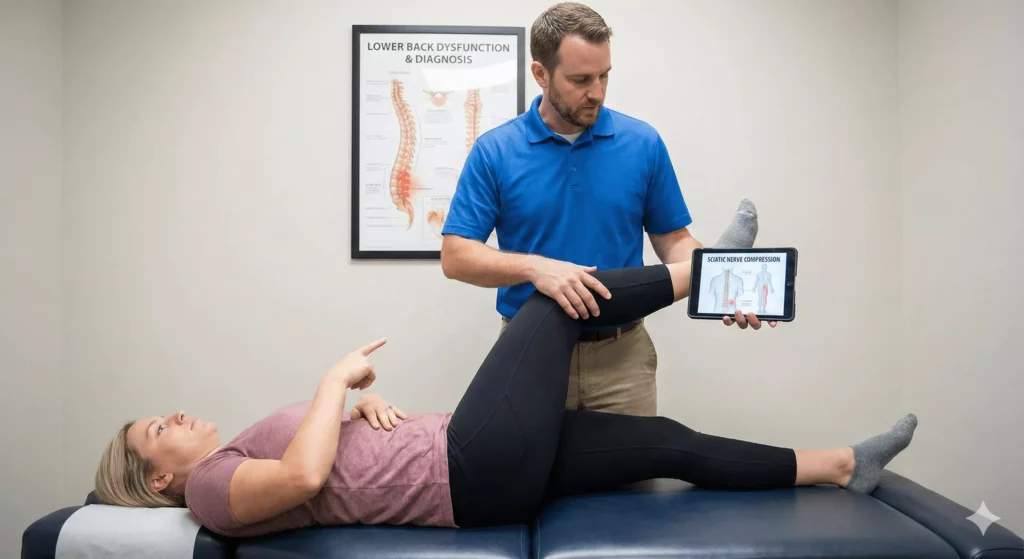
What Causes Sciatic Nerve Compression?
The sciatic nerve, the largest and longest nerve in the human body, can become compressed or inflamed due to a range of structural or functional issues. The most common include:
- Disc Herniation: A slipped or bulging lumbar disc that presses on a nearby nerve root
- Spinal Stenosis: Age-related narrowing of the spinal canal that pinches the sciatic nerve
- Piriformis Syndrome: A muscular condition where the piriformis muscle irritates the nerve externally
- Postural Dysfunction: Prolonged sitting, poor lifting mechanics, and sedentary habits that contribute to mechanical strain
Can Chiropractic Help Sciatica?
Absolutely. Our chiropractors assess and treat sciatica through a combination of:
- Spinal Decompression Therapy: To reduce intradiscal pressure and relieve nerve root tension
- Manual Spinal Adjustments: To restore alignment and motion to spinal segments
- Neuromuscular Release Techniques: To reduce myofascial tension around the sciatic nerve
- Rehabilitative Exercise Plans: To enhance core stability, pelvic balance, and long-term function
By addressing the underlying mechanical causes of sciatica, chiropractic care supports faster recovery without reliance on medication or surgery.
Sciatica in the Canary Wharf Community
Many residents and professionals in Canary Wharf experience sciatica due to long hours of desk work, poor ergonomic conditions, and high stress. At Freedom Clinics Canary Wharf, we offer tailored chiropractic treatment plans for sciatica that reflect both your lifestyle demands and clinical presentation.
Whether you’re suffering from acute sciatic nerve pain or dealing with chronic sciatica symptoms, our clinic provides a pathway to relief grounded in manual therapy, evidence-based protocols, and personalised rehabilitation — all delivered by GCC-registered chiropractors in a convenient central London location.

Common Sciatica Symptoms Treated by Chiropractors at Freedom Clinics Canary Wharf
Sciatica is a condition marked by a constellation of neurological symptoms stemming from sciatic nerve compression or nerve root irritation in the lower lumbar spine. At Freedom Clinics in Canary Wharf, our GCC-registered chiropractors specialise in assessing and treating these symptoms using targeted manual therapies and spinal decompression techniques designed to reduce nerve pressure and restore function.
Recognising the specific symptom patterns of sciatica is essential for effective diagnosis and treatment. Below are the most common presentations we manage in-clinic:
Recognising Radiating Sciatic Nerve Pain
The classic sign of sciatica is sharp, electric-like pain that begins in the lower back or buttock and travels along the posterior leg — often extending into the calf and foot. This type of radicular pain follows the anatomical path of the sciatic nerve and may worsen with coughing, sneezing, or sitting.
Research by BMJ authors (Erasmus MC, Netherlands) notes classic features of radicular pain, including provocation by manoeuvres that raise intraspinal pressure (e.g., coughing/sneezing) and by prolonged sitting, reflecting nerve root irritation patterns seen in sciatica.
Identifying Sensory Disruption: Tingling, Numbness, Burning
Patients frequently describe sensations such as pins and needles, burning, or numbness in the lateral thigh, calf, or plantar surface of the foot. These sensory changes are indicative of nerve root compression, commonly affecting the L5 or S1 nerve roots. These signs fall within the neuropathic symptom profile of sciatica.
Assessing Motor Weakness Due to Sciatic Nerve Compression
When the motor pathways of the sciatic nerve are affected, patients may experience muscle weakness, particularly in the hamstrings, ankle dorsiflexors, or toe extensors. This can lead to biomechanical issues such as foot drop, gait instability, and reduced power when walking or climbing stairs.

Evaluating Positional Triggers: Sitting, Standing & Walking
Symptoms often intensify with prolonged sitting, standing, or walking uphill — activities that place mechanical stress on the lumbar intervertebral discs or tighten the piriformis muscle. Chiropractic assessment includes functional movement testing to determine which positions aggravate the nerve root and guide decompression-based interventions.
Understanding Referred Pain: Lumbar to Leg Radiation
While some patients experience isolated leg pain, others report lumbar discomfort that radiates downward. This presentation suggests a combination of spinal joint dysfunction and nerve root irritation, often due to lumbar disc herniation or facet joint impingement. At Freedom Clinics, we use orthopaedic and neurological testing to differentiate between mechanical and neuropathic origins of sciatica.
Dermatomal Patterns and Nerve Root Mapping
The specific location of sciatica symptoms often correlates with the affected nerve root:
| Nerve Root Affected | Symptom Distribution |
|---|---|
| L4 | Anterior thigh pain, knee weakness |
| L5 | Lateral leg pain, top of foot, big toe |
| S1 | Posterior leg pain, heel, sole, little toe |
Understanding these dermatomal pain patterns allows our chiropractors to pinpoint the source of compression and apply targeted treatment techniques such as flexion-distraction therapy, adjustments, and neuromuscular rehabilitation.
At Freedom Clinics Canary Wharf, our approach to sciatica symptom management is both diagnostic and therapeutic — ensuring we not only relieve pain but address the structural cause of your nerve irritation for long-term recovery.
Causes of Sciatica Diagnosed by Chiropractors at Freedom Clinics Canary Wharf
Sciatica is not a condition in itself but a symptom of underlying nerve root compression or irritation of the sciatic nerve, usually near its spinal origin. At Freedom Clinics in Canary Wharf, our chiropractors specialise in diagnosing the root causes of sciatica, combining advanced spinal assessments with movement-based diagnostics to determine the specific origin of your nerve pain.
Here are the most common structural, muscular, and postural causes of sciatic nerve pain we treat in our clinic:
Herniated Discs: A Leading Cause of Sciatic Nerve Compression
A herniated lumbar disc, also known as a slipped disc or prolapsed disc, occurs when the inner gel-like nucleus of an intervertebral disc bulges outward, pressing on adjacent lumbar nerve roots — especially L4/L5 or L5/S1. This is the most frequent structural cause of sciatica, especially in individuals aged 25 to 50.
Symptoms of disc-related sciatica include:
- Pain radiating from the back into the leg and foot
- Increased discomfort when sitting, bending, or coughing
- Numbness or tingling in the lower limb
At Freedom Clinics, we apply flexion-distraction therapy, spinal decompression, and rehabilitative strategies to relieve disc pressure and reduce sciatic nerve irritation without surgical intervention.
Spinal Stenosis: Narrowing the Space for Nerve Roots
Spinal stenosis refers to the narrowing of the spinal canal or intervertebral foramina, often due to age-related degeneration. This condition leads to compression of the cauda equina or lumbar nerve roots, causing bilateral sciatica, leg fatigue, or neurogenic claudication.
Key features:
- Pain that worsens with standing or walking
- Relief when sitting or bending forward
- Common in individuals over 60
Our chiropractors assess postural adaptability, load tolerance, and movement biomechanics to design gentle, non-invasive treatment plans for stenosis-related sciatica.
Piriformis Syndrome: A Muscular Cause of Sciatica-Like Symptoms
In some cases, sciatica originates outside the spine. Piriformis syndrome occurs when the piriformis muscle in the buttock compresses the sciatic nerve, leading to leg pain, tingling, or buttock discomfort.
Unlike disc-related sciatica, piriformis syndrome often presents with:
- Localised buttock pain
- Symptoms triggered by sitting or stair climbing
- No significant lower back pain
Freedom Clinics chiropractors use soft tissue release, trigger point therapy, and neuromuscular retraining to resolve muscular entrapment of the sciatic nerve.
Postural Dysfunction and Biomechanical Overload
In many patients — especially those with sedentary lifestyles or desk-based jobs — poor posture and mechanical overload contribute to repetitive lumbar strain, disc loading, and eventual sciatic nerve irritation.
Contributing factors include:
- Prolonged sitting and hip flexion
- Anterior pelvic tilt and spinal misalignment
- Core muscle weakness and gluteal imbalance
We assess functional movement patterns, pelvic alignment, and ergonomics to create a personalised plan that corrects the mechanical causes of sciatica.
Multifactorial Sciatica: When Causes Overlap
Sciatica is often multifactorial, meaning several underlying issues contribute simultaneously — such as a mild disc bulge paired with piriformis tightness, or postural dysfunction compounded by spinal degeneration.
Our chiropractors combine:
- Nerve tension testing
- Postural analysis
- Orthopaedic evaluation
To uncover all contributing factors and implement a treatment strategy that’s comprehensive, progressive, and tailored to your lifestyle.
Summary: How Freedom Clinics Chiropractors Identify and Treat Sciatica Causes
Whether your sciatica stems from a herniated disc, spinal stenosis, piriformis syndrome, or postural overload, Freedom Clinics Canary Wharf offers targeted chiropractic care that addresses the true cause of your pain — not just the symptoms. Our methods are non-invasive, evidence-led, and adapted to your specific functional and anatomical profile.

When to See a Chiropractor for Sciatica at Freedom Clinics Canary Wharf
If you’re experiencing sciatica, you may wonder: Is this something I should see a chiropractor for? At Freedom Clinics in Canary Wharf, our experienced GCC-registered chiropractors specialise in identifying the underlying cause of sciatic nerve pain and applying effective, non-invasive treatments. Knowing when to seek professional care can make a significant difference in your recovery.
Sciatica Symptoms Persisting Beyond 7–10 Days
If your sciatica pain hasn’t improved within 7 to 10 days, despite home care or rest, it may be due to unresolved nerve root compression. Delayed intervention can lead to chronic irritation and longer recovery times. A chiropractor can:
- Identify spinal misalignments or disc-related compression
- Use orthopaedic testing to localise the nerve involvement
- Apply spinal decompression therapy and targeted adjustments
Radiating Pain That Extends Below the Knee
When pain travels beyond the buttock into the calf, foot, or toes, it’s likely a sign of radiculopathy — nerve irritation at the spinal root. Chiropractors assess the affected dermatomes and myotomes to locate the compressed nerve and relieve pressure using manual therapies.
Tingling, Numbness, or Muscle Weakness
If you experience numbness, pins and needles, or weakness in your leg or foot, these may be signs of neurological compromise. Chiropractors are trained to:
- Perform reflex and strength testing
- Identify the specific nerve root involved (L4, L5, or S1)
- Begin early intervention to avoid worsening motor deficits
Pain Aggravated by Sitting, Standing, or Lifting
Sciatica that worsens with prolonged sitting, standing, or bending is typically caused by mechanical compression, such as a herniated disc or facet joint dysfunction. At Freedom Clinics, we reduce nerve irritation through:
- Manual spinal adjustments
- Myofascial release techniques
- Rehabilitative movement training
No Improvement with Physiotherapy or Home Remedies
If traditional treatments such as stretching, physiotherapy, or rest haven’t resolved your sciatica, chiropractic care offers a different solution. We focus on:
- Realigning spinal structures
- Decompressing affected nerve roots
- Rebuilding movement stability through custom rehab programs
Emergency Symptoms: When a Chiropractor Will Refer You
Some symptoms require immediate medical attention. Our chiropractors are trained to recognise these red flags and refer you to the appropriate specialist if you experience:
- Sudden loss of bladder or bowel control
- Severe bilateral leg weakness
- Saddle anesthesia (numbness in the groin region)
These may indicate cauda equina syndrome, a serious neurological emergency.
Why Choose Freedom Clinics Canary Wharf for Chiropractic Sciatica Care?
- Expert assessment of discogenic, postural, and muscular causes
- Evidence-based treatments tailored to the type of nerve compression
- Convenient Canary Wharf location with extended opening hours
- Direct access to care — no GP referral required
How Chiropractors Diagnose Sciatica at Freedom Clinics Canary Wharf
At Freedom Clinics Canary Wharf, our experienced chiropractors diagnose sciatica by pinpointing the precise cause of your sciatic nerve pain — whether it stems from a herniated disc, piriformis muscle compression, or spinal misalignment. Our diagnostic process combines clinical reasoning, hands-on assessments, and functional testing to determine the root of your symptoms.
As part of the diagnosis, we may include a detailed posture assessment in Canary Wharf to pinpoint mechanical drivers.
Step 1: Case History & Sciatica Symptom Mapping
Diagnosis starts with a detailed consultation where your chiropractor will ask about:
- When and how your pain began
- Whether it radiates into the leg, calf, or foot
- Sensations like tingling, numbness, or muscle weakness
- Daily activities that worsen or relieve symptoms
This stage helps localise nerve root involvement, map dermatomal patterns, and rule out non-sciatic sources of leg pain.
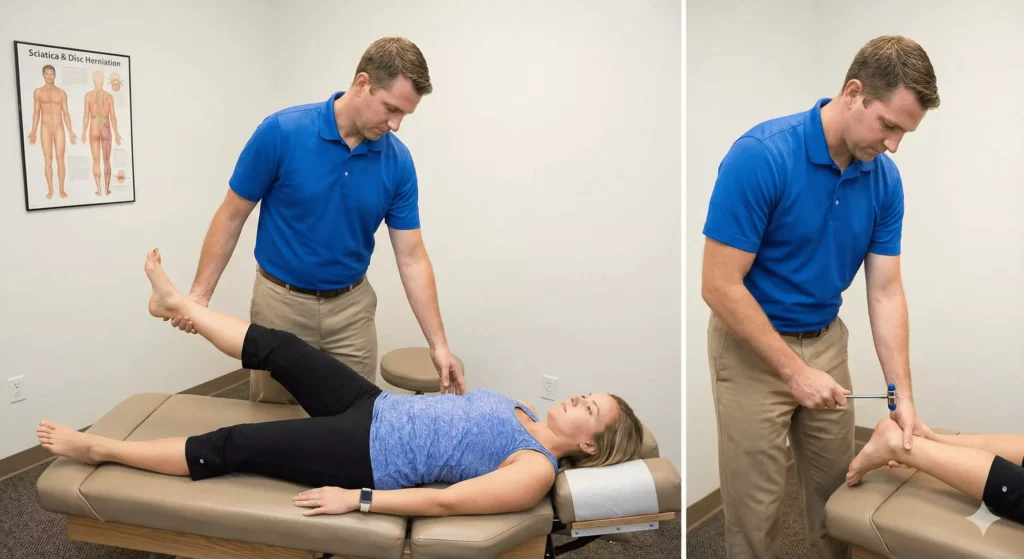
Step 2: Orthopaedic & Neurological Testing
To confirm sciatic nerve irritation and identify its origin, chiropractors at Freedom Clinics perform:
- Straight Leg Raise (SLR) and Slump Test: to test for nerve tension
- Dermatomal sensory mapping: to identify sensory loss linked to specific spinal nerves (L4, L5, S1)
- Myotome strength tests: to detect weakness in muscles supplied by the compressed nerve root
- Reflex assessments: to check for diminished patellar or Achilles reflexes
These tests help differentiate between disc herniation, nerve root impingement, and extra-spinal causes like piriformis syndrome.
Step 3: Movement Analysis & Postural Biomechanics
Many sciatica cases stem from repetitive strain or postural dysfunction. Our chiropractors assess:
- Pelvic alignment and spinal curvature
- Core muscle engagement
- Gait asymmetries
- Functional movement faults that contribute to ongoing nerve compression
This approach ensures your diagnosis connects what’s compressed to why it’s being compressed — allowing for a more effective treatment plan.
Step 4: Differential Diagnosis
To avoid misdiagnosis, chiropractors at Freedom Clinics rule out conditions that mimic sciatica symptoms, such as:
- Hip joint pathology
- Sacroiliac joint dysfunction
- Peripheral neuropathy
- Vascular causes of leg pain
If red flag signs like cauda equina symptoms, severe bilateral leg weakness, or saddle anesthesia are detected, immediate medical referral is made.
Step 5: Imaging Referral (Only When Clinically Necessary)
Most sciatica diagnoses are made without scans. However, if symptoms persist, progress unusually, or indicate serious pathology, your chiropractor may refer for:
- MRI to visualise disc herniation, spinal stenosis, or nerve root inflammation
- X-rays to assess spinal alignment or degenerative changes
Imaging supports — not replaces — the functional diagnosis made during clinical examination.
NICE Guideline NG59 from the National Institute for Health and Care Excellence advises not to request routine imaging for low back pain with or without sciatica in non-specialist settings, and to consider MRI only if results would change management—supporting a clinical diagnosis-first approach.
When indicated, we arrange MRI & X-ray referrals for sciatica to validate clinical findings.
Functional Diagnosis That Powers Targeted Treatment
Unlike generic labels, a chiropractic diagnosis at Freedom Clinics integrates spinal, neurological, and biomechanical insights. We don’t just identify that you have sciatica — we determine what’s compressing your sciatic nerve, where it’s occurring, and how to relieve it through specific interventions.
Sciatica Treatments Provided by Chiropractors at Freedom Clinics Canary Wharf
At Freedom Clinics Canary Wharf, we offer advanced chiropractic treatments for sciatica tailored to the underlying cause of your nerve irritation — whether it’s a herniated disc, piriformis entrapment, or lumbar spine dysfunction. Our chiropractors focus on relieving pressure on the sciatic nerve, restoring movement, and preventing recurrences through a multi-modal, evidence-based care model.
Explore Chiropractic at Freedom Clinics, Canary Wharf, for a full overview of treatment options.
Chiropractic Adjustments to Alleviate Nerve Root Irritation
Spinal adjustments are one of the most effective chiropractic treatments for relieving nerve root compression. Our chiropractors use controlled, manual thrusts to:
- Re-align vertebrae in the lumbar spine
- Improve facet joint mobility
- Reduce neural tension caused by postural misalignment or disc displacement
These treatments restore normal spinal biomechanics, directly addressing the mechanical drivers of sciatic nerve inflammation.
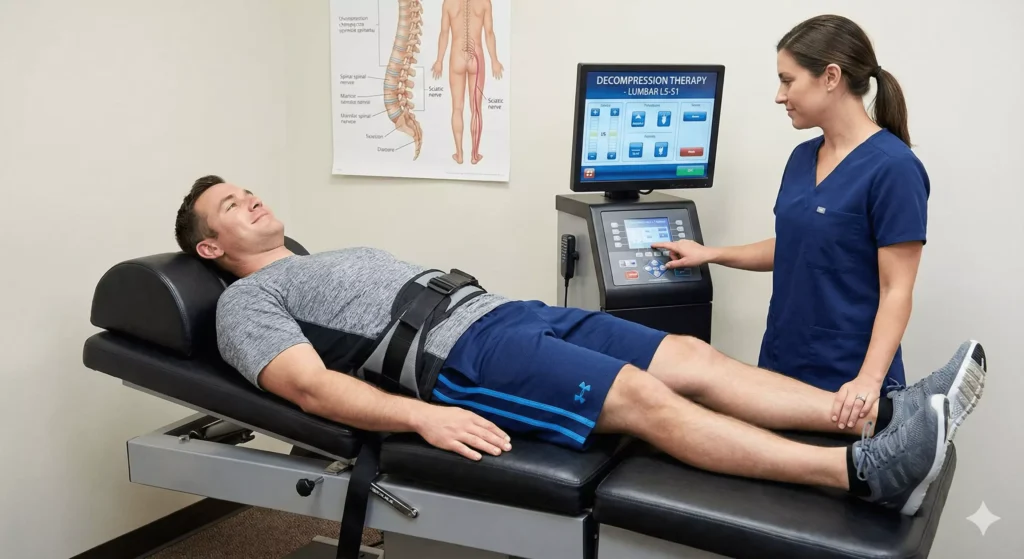
Spinal Decompression Therapy for Disc-Related Sciatica
When disc herniation or disc bulge is the primary cause of sciatica, spinal decompression therapy offers a non-invasive method of:
- Creating negative pressure to retract disc material
- Alleviating pressure on the L4, L5, or S1 nerve roots
- Supporting the healing of damaged intervertebral discs
This approach is especially effective for chronic sciatica, radiculopathy, and patients with poor response to standard manual care.
Disc-related cases often respond faster with spinal traction & decompression alongside manual care.
Myofascial Release for Piriformis Syndrome & Gluteal Entrapment
For individuals suffering from piriformis syndrome, where the sciatic nerve is compressed by the piriformis muscle, chiropractors apply:
- Soft tissue manipulation to relax the muscle
- Trigger point therapy to release chronic tension
- Neuromuscular re-education to improve coordination and prevent recurrence
This therapy is essential in cases of muscular sciatica, often missed in conventional assessments.
Functional Rehabilitation for Movement-Driven Sciatica
Rehabilitative exercise is critical for resolving biomechanical patterns that perpetuate nerve compression. Freedom Clinics provides:
- Core stability training to protect the lumbar spine
- Glute activation and hip mobility drills
- Postural reprogramming and movement retraining
These interventions strengthen the kinetic chain and support sustainable recovery from recurrent sciatica episodes.
Education, Ergonomics & Self-Management Strategies
Our chiropractors empower patients with tools for long-term success. Sciatica care includes:
- Ergonomic workstation guidance
- Safe lifting and bending mechanics
- Sleep position optimisation to reduce nocturnal nerve irritation
We ensure patients leave each session not only feeling better, but knowing how to stay that way.
We’ll tailor practical ergonomics for sciatica relief to your daily setup.
Integrated Chiropractic Approach to Sciatica Treatment
At Freedom Clinics Canary Wharf, we don’t just manage symptoms — we diagnose and treat the specific anatomical and functional source of your sciatica. Whether your case is discogenic, postural, or muscular, we deliver:
- Targeted spinal adjustments
- Disc decompression therapies
- Soft tissue and neuromuscular techniques
- Personalised rehabilitation
Each treatment plan evolves as your symptoms improve, ensuring continual progression and long-term relief.
If your sciatica is discogenic, review our lumbar disc injury treatment overview.
How Chiropractors at Freedom Clinics Canary Wharf Help You Prevent Sciatica Flare-Ups
After resolving acute sciatic nerve pain, the next goal is preventing future episodes. At Freedom Clinics Canary Wharf, our chiropractors provide personalised, clinically proven strategies that help you reduce the risk of sciatica flare-ups by addressing the physical, functional, and lifestyle factors that commonly cause recurrence.
To keep gains durable, many patients choose chiropractic maintenance care at set intervals.
1. Addressing Postural Stress and Ergonomic Risks
Long hours of sitting, poor workstation setup, and repetitive posture overload are frequent triggers of lumbar disc strain and sciatic nerve irritation. To prevent these issues, our chiropractors offer:
- Postural analysis and ergonomic consultation
- Custom workstation adjustments to reduce spine loading
- Active sitting techniques and posture reinforcement drills
These interventions reduce compression on the lumbar nerve roots, especially in desk-based professionals.
2. Strengthening Core & Glutes to Support Spinal Stability
Weak or underactive core and gluteal muscles can result in compensatory lumbar strain and increase the chance of mechanical sciatica. Chiropractors at Freedom Clinics implement:
- Lumbo-pelvic stability programs
- Glute medius and maximus activation sequences
- Progressive resistance exercises for dynamic spinal control
Reinforcing these muscle groups reduces instability that could otherwise lead to nerve impingement.
We’ll guide progressive core and glute rehab you can continue at home.
3. Ongoing Chiropractic Care to Maintain Spinal Function
Proactive chiropractic care helps detect and correct biomechanical dysfunctions before they escalate. As part of your ongoing sciatica prevention plan, we offer:
- Routine spinal mobility checks
- Preventive chiropractic adjustments
- Postural and movement retraining
Just like regular dental visits, chiropractic reviews keep your spinal system resilient and aligned.
4. Encouraging Movement Variability to Avoid Overload
Flare-ups often result from repetitive strain and static loading. Chiropractors coach patients to:
- Alternate static postures with active movements
- Integrate micro-mobility breaks into sedentary routines
- Perform daily mobility sequences for spinal hydration
This maintains disc integrity, prevents nerve irritation, and keeps the kinetic chain responsive.
5. Early Detection & Monitoring for Proactive Flare-Up Prevention
Awareness is key to staying ahead of symptoms. Freedom Clinics provides:
- Symptom self-monitoring tools
- Access to rapid reassessment at the first sign of recurrence
- Educational guidance on flare-up patterns and early red flags
By catching the signs early, we can intervene before minor irritation evolves into a full-blown sciatic episode.
Long-Term Protection Through Proactive Chiropractic Prevention
At Freedom Clinics Canary Wharf, our chiropractors don’t just treat sciatica — they help you avoid its return. We combine structural corrections, functional strengthening, and movement optimisation to ensure that your spine stays healthy and your nerves stay free from compression, long after treatment ends.
To keep results durable, many patients schedule periodic chiropractic maintenance care to maintain mobility and reduce flare-ups.
Why Freedom Clinics Canary Wharf Is Your Trusted Chiropractor for Sciatica Relief
When it comes to resolving sciatic nerve pain, patients need more than symptomatic relief — they need precise diagnosis, effective treatment, and lasting results. At Freedom Clinics Canary Wharf, our chiropractors offer advanced sciatica treatment using proven techniques, clinical expertise, and a fully patient-focused approach to care.
Compare your options across our chiropractic services in Canary Wharf.
1. Specialist Chiropractors with Expertise in Sciatica Treatment
Our chiropractic team is trained in managing a wide range of sciatica-related disorders, including:
- Disc herniation and lumbar disc bulge
- Piriformis syndrome and soft tissue entrapments
- Postural sciatica and mechanical nerve compression
Each patient receives a treatment plan tailored to their diagnosis, guided by comprehensive orthopaedic and neurological evaluations.
2. Conveniently Located in Canary Wharf, London E14
Freedom Clinics is located in Canada Place Shopping Mall, making us highly accessible for patients across:
- Canary Wharf, Docklands, Isle of Dogs, Poplar
- Central business districts and residential towers
- Commuters using the Jubilee Line, DLR, and Elizabeth Line
We are the preferred sciatica chiropractor for busy professionals seeking expert care without travel disruption.
3. Clinical Precision in Sciatica Diagnosis
Our chiropractors perform detailed assessments to identify the exact source of your sciatica, including:
- Nerve root testing for disc or foraminal impingement
- Myofascial analysis for muscular compression
- Postural and movement evaluation to detect contributing biomechanical factors
This ensures that treatment targets the root cause, whether it’s structural, muscular, or neurological.
4. Multi-Modal Chiropractic Treatment Plans That Work
At Freedom Clinics, sciatica treatment combines:
- Spinal adjustments for vertebral mobility and nerve clearance
- Spinal decompression therapy for disc-related sciatica
- Manual therapy to release muscle tension and improve flexibility
- Rehabilitative exercises for postural and functional correction
Every plan is adapted based on your progress and response, with regular reviews built in.
5. Measurable Results That Go Beyond Pain Relief
Patients consistently report:
- Rapid improvement in leg and lower back pain
- Better mobility, posture, and function
- Fewer flare-ups over time
- High satisfaction with care outcomes
We use structured benchmarks — including range of motion, pain scales, and daily activity performance — to track success.
6. Exceptional Patient Experience From Consultation to Completion
From your initial consultation to the completion of your care plan, expect:
- Transparent communication about your condition
- Collaborative goal setting with your chiropractor
- Professional, private, and efficient care delivery
We make sure your journey is supportive, empowering, and aligned with your lifestyle.
Freedom Clinics Canary Wharf: The Smart Choice for Lasting Sciatica Relief
Whether you’re managing chronic discogenic sciatica or recovering from an acute episode, Freedom Clinics offers a trusted, specialist-driven solution. With targeted chiropractic techniques, advanced diagnostics, and a central location in Canary Wharf, we help you achieve sustainable relief and long-term spinal health.
Reviewed by Tanesa Mohan

Our Chiropractors


References
- Koes, B. W., van Tulder, M. W., & Peul, W. C. (2007). Diagnosis and treatment of sciatica. BMJ, 334(7607), 1313–1317. https://pmc.ncbi.nlm.nih.gov/articles/PMC1895638/
- National Institute for Health and Care Excellence. (2016). Low back pain and sciatica in over 16s: assessment and management (NG59). https://www.nice.org.uk/guidance/ng59

